What Won at The Fashion Awards 2025—and Why It Matters Now
The Fashion Awards 2025: craft over clout, calm over noise
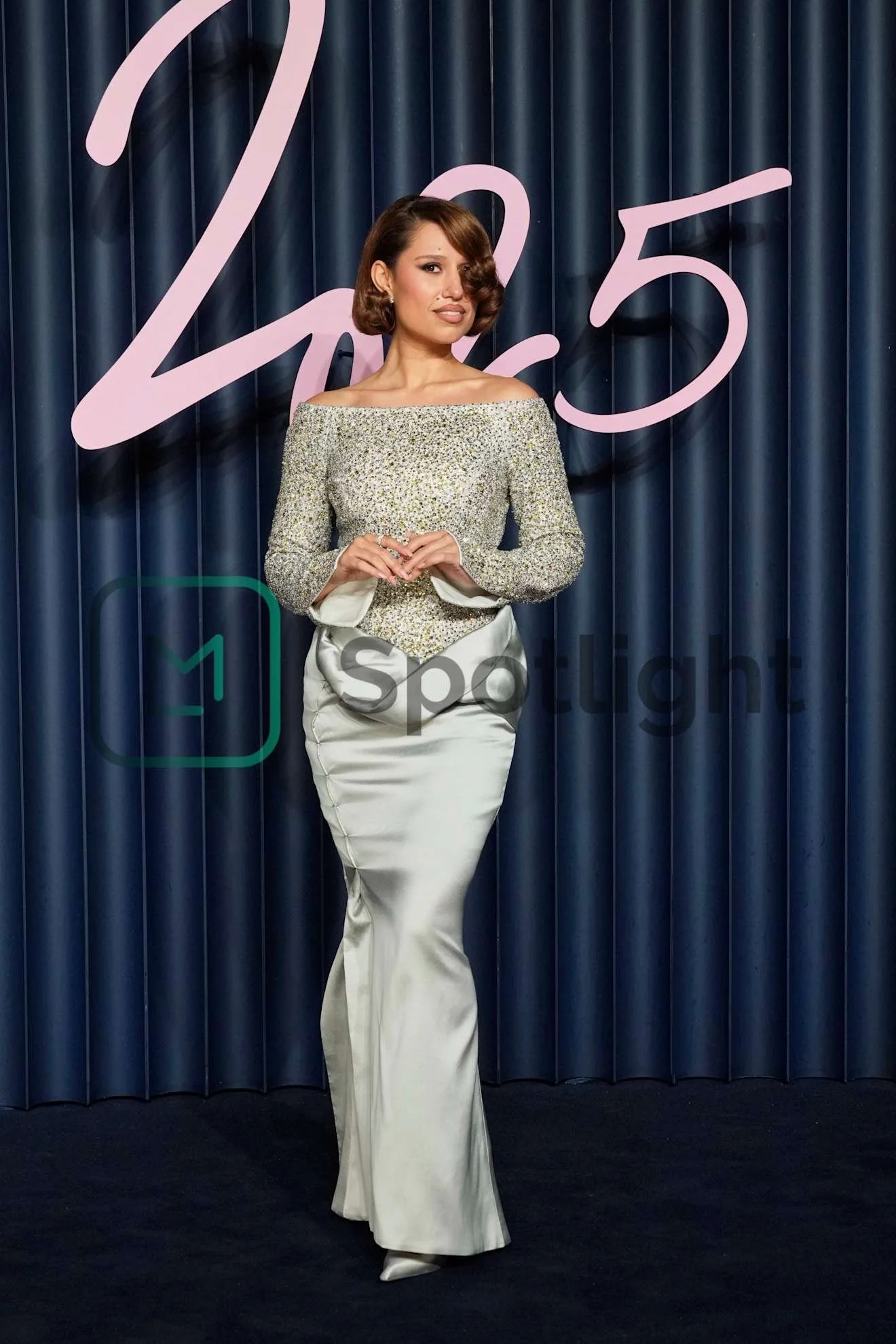
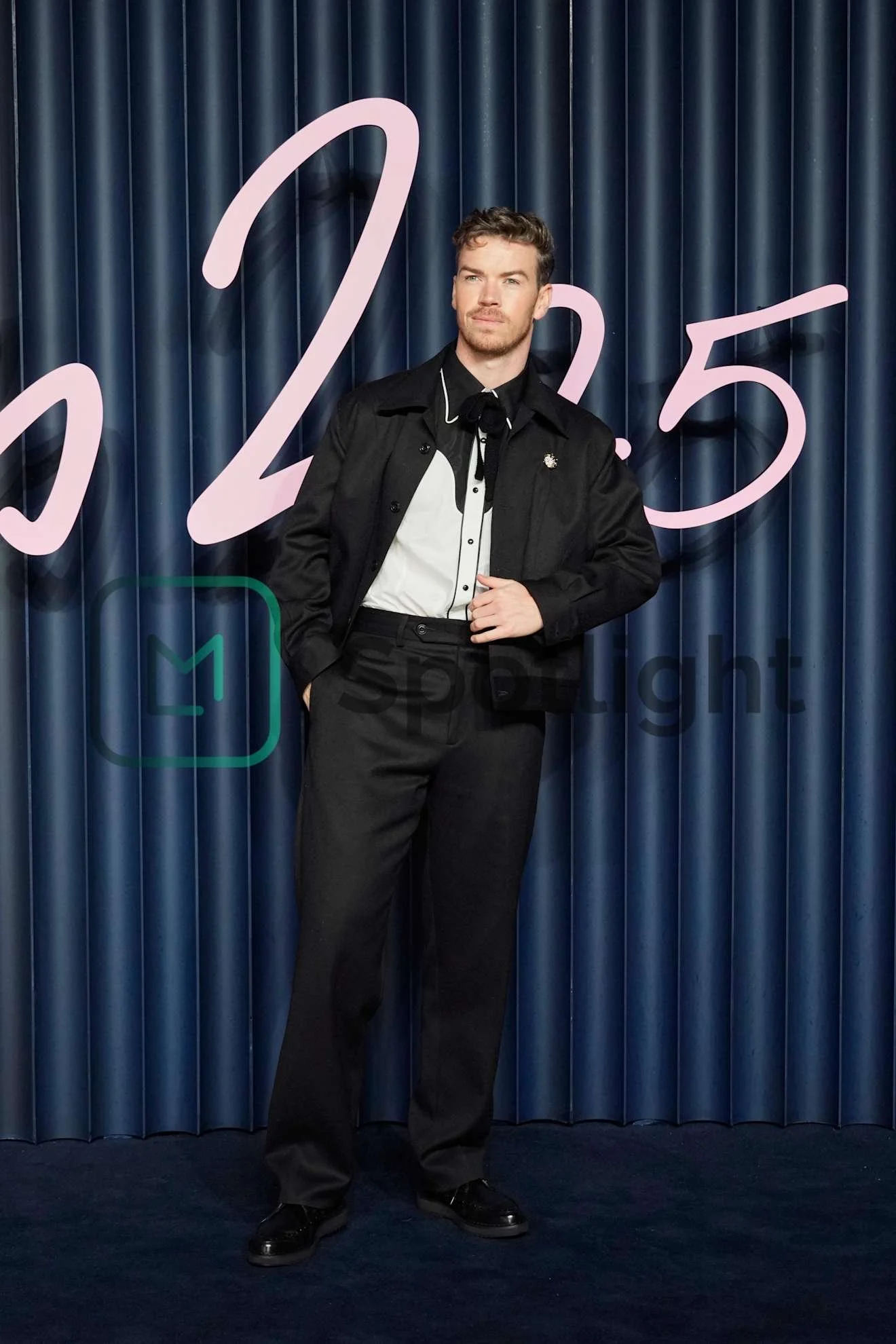
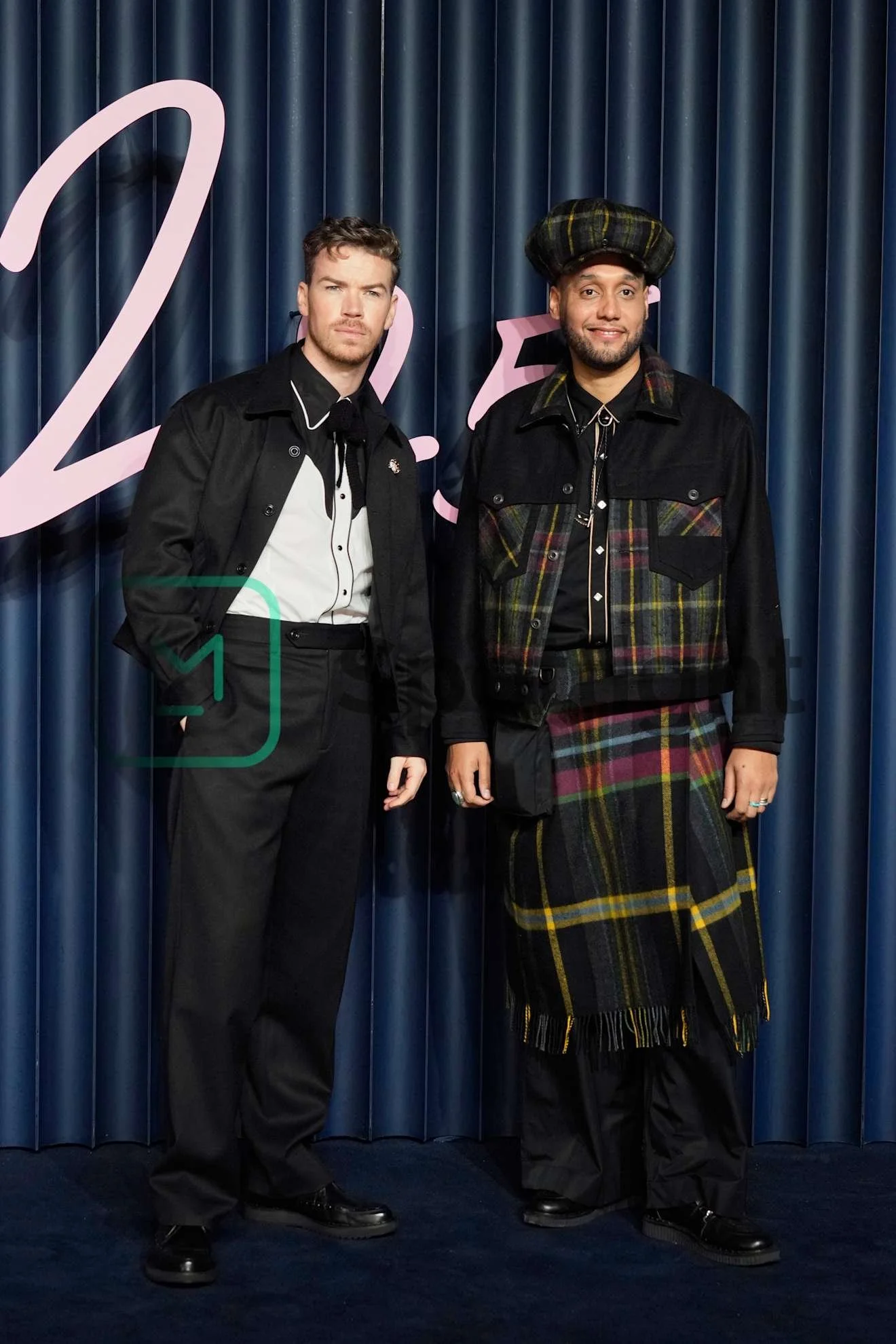
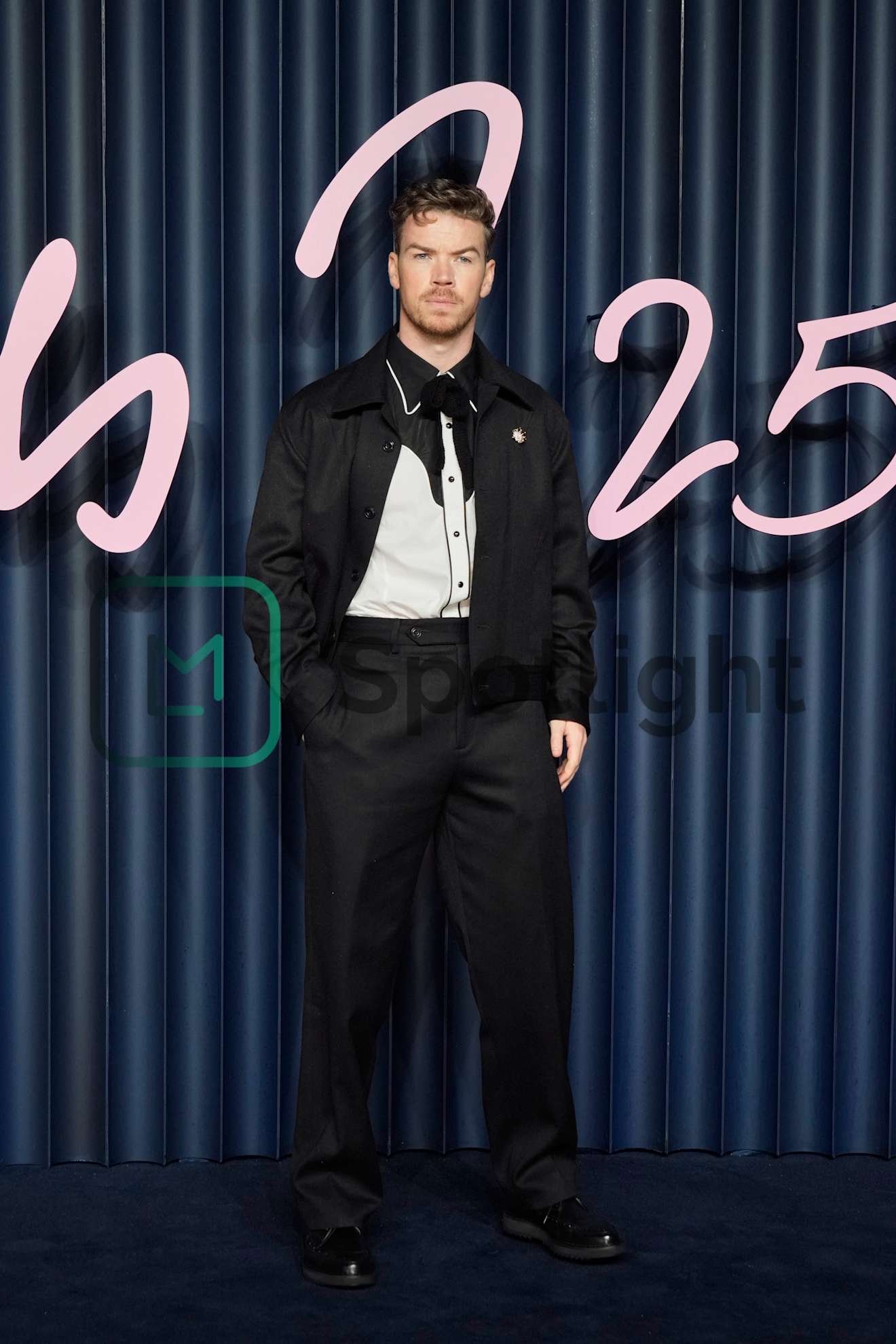
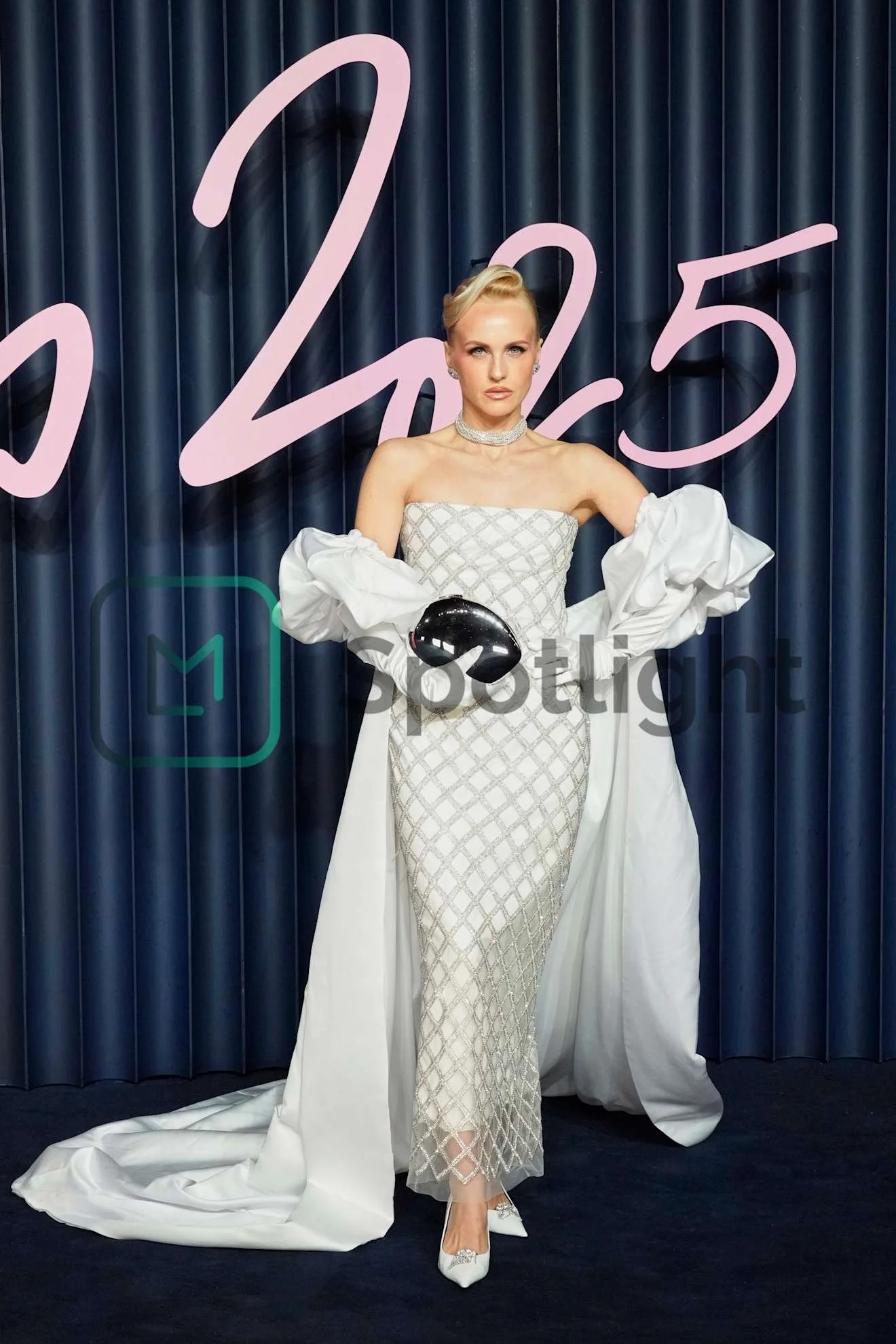
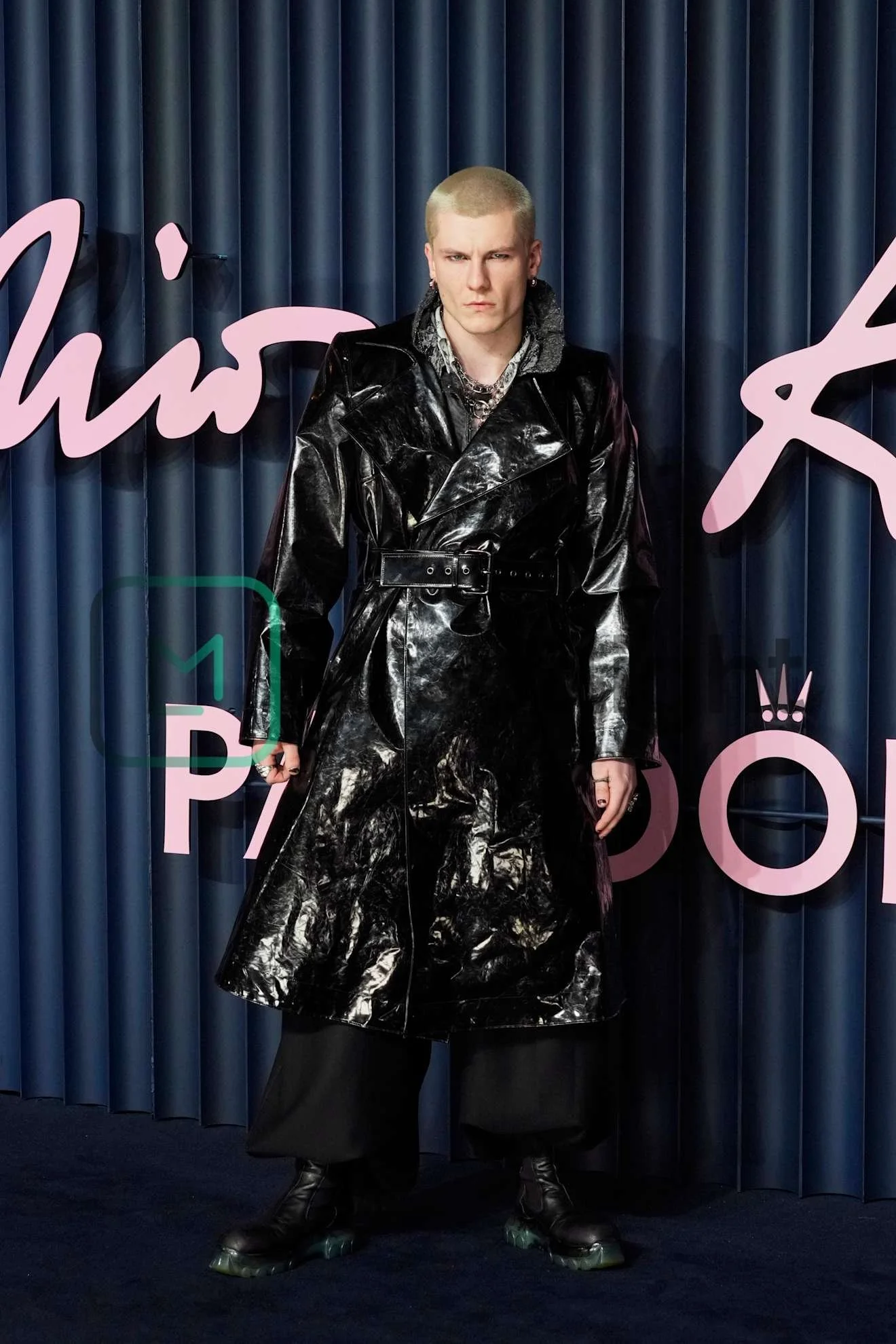
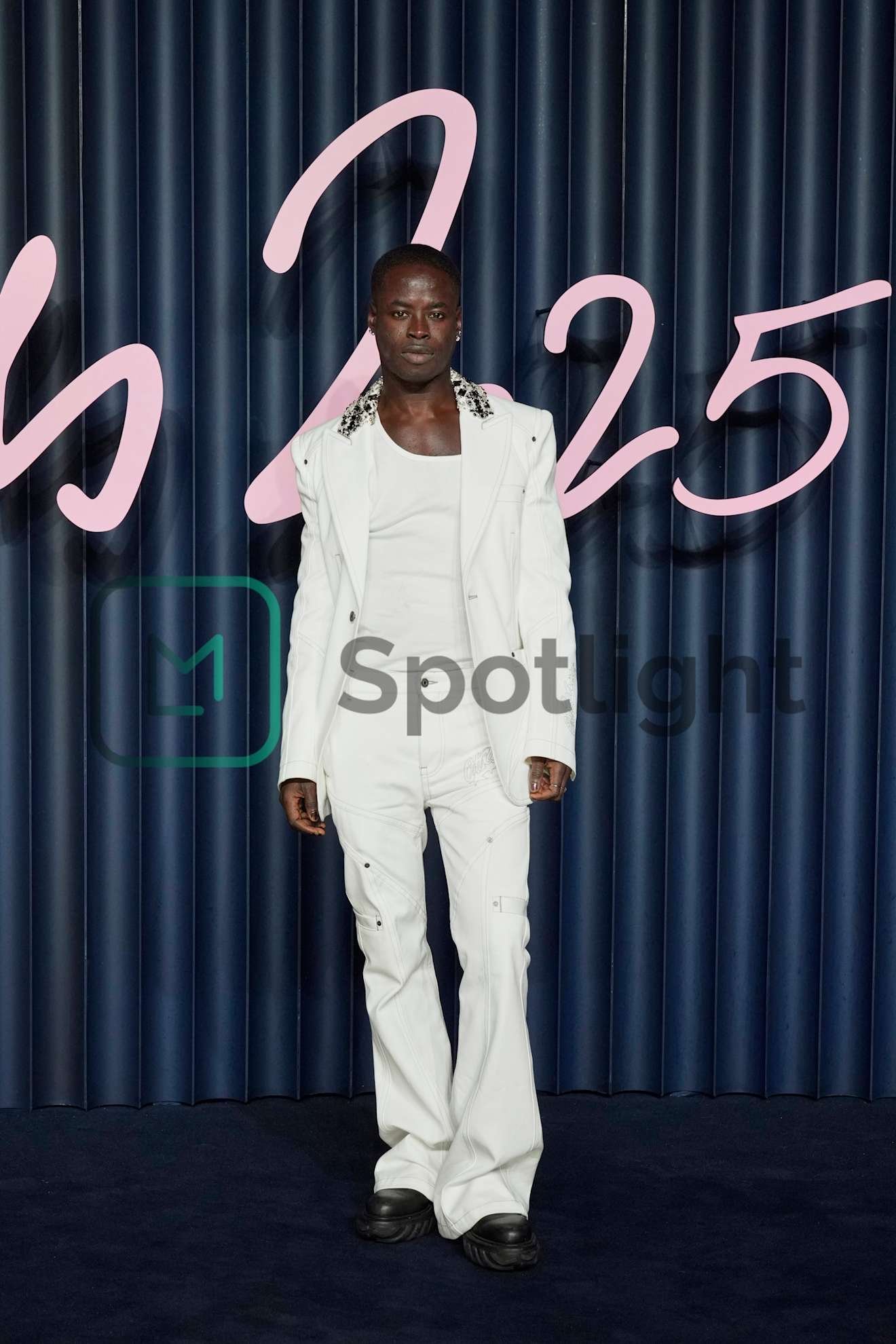
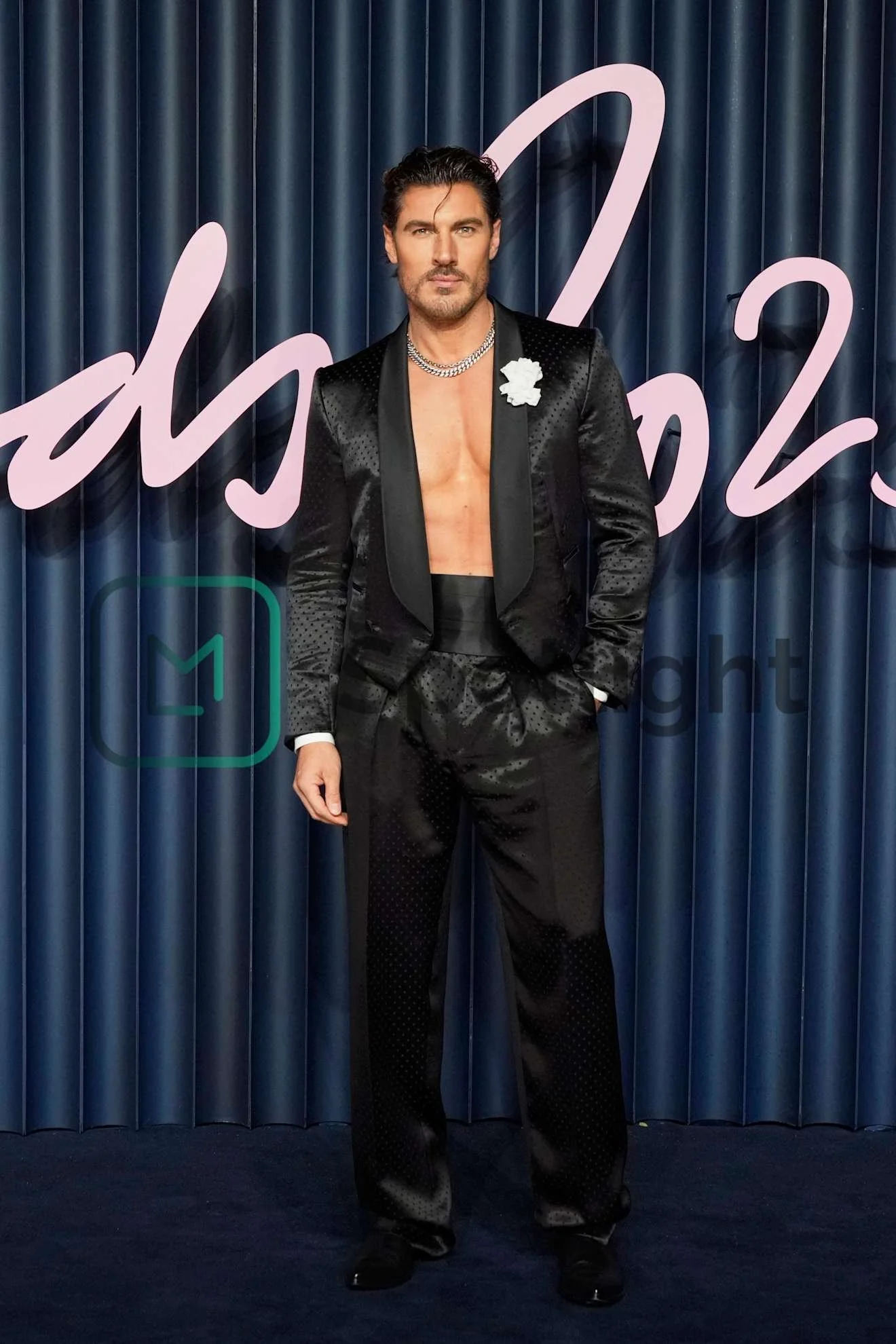
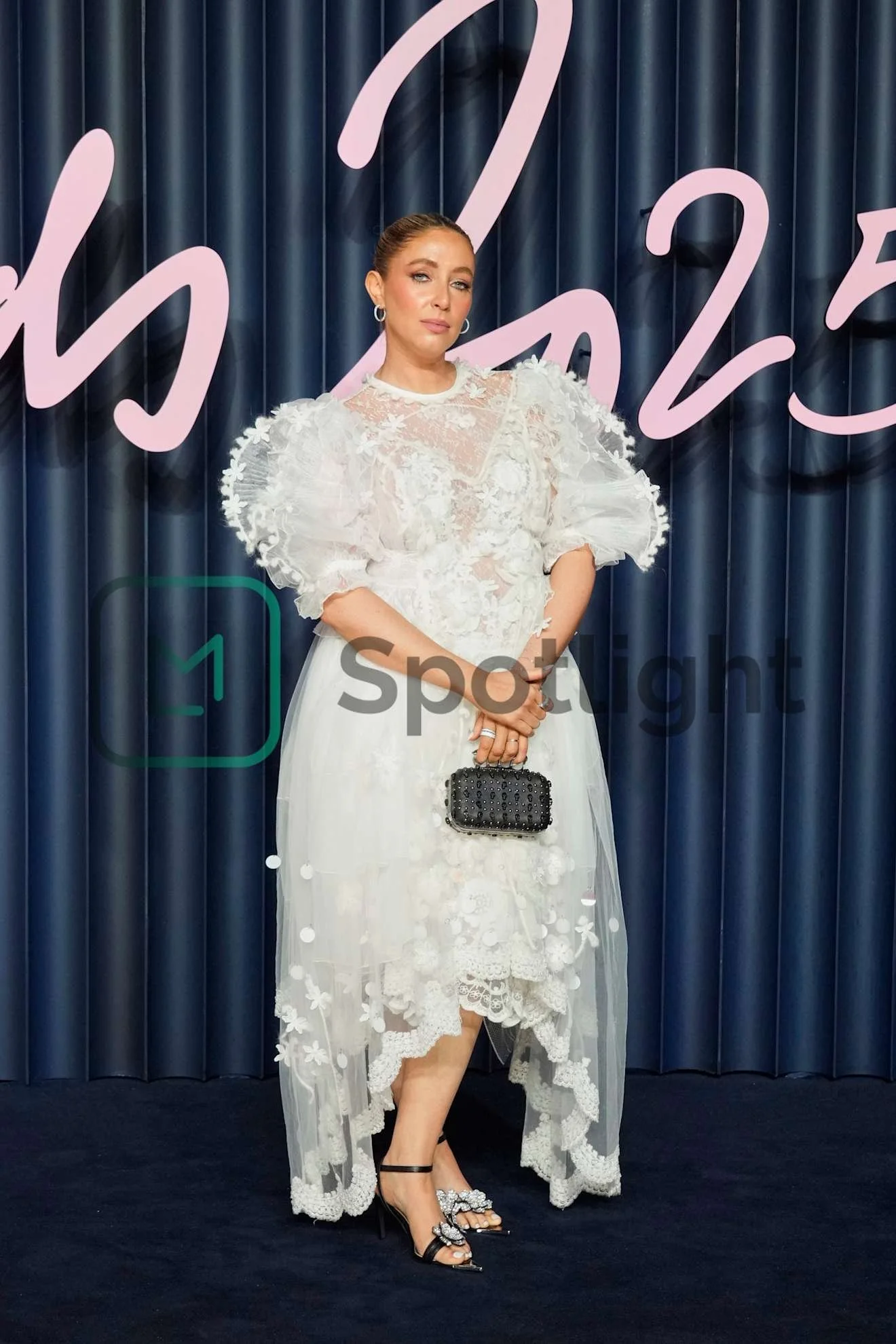
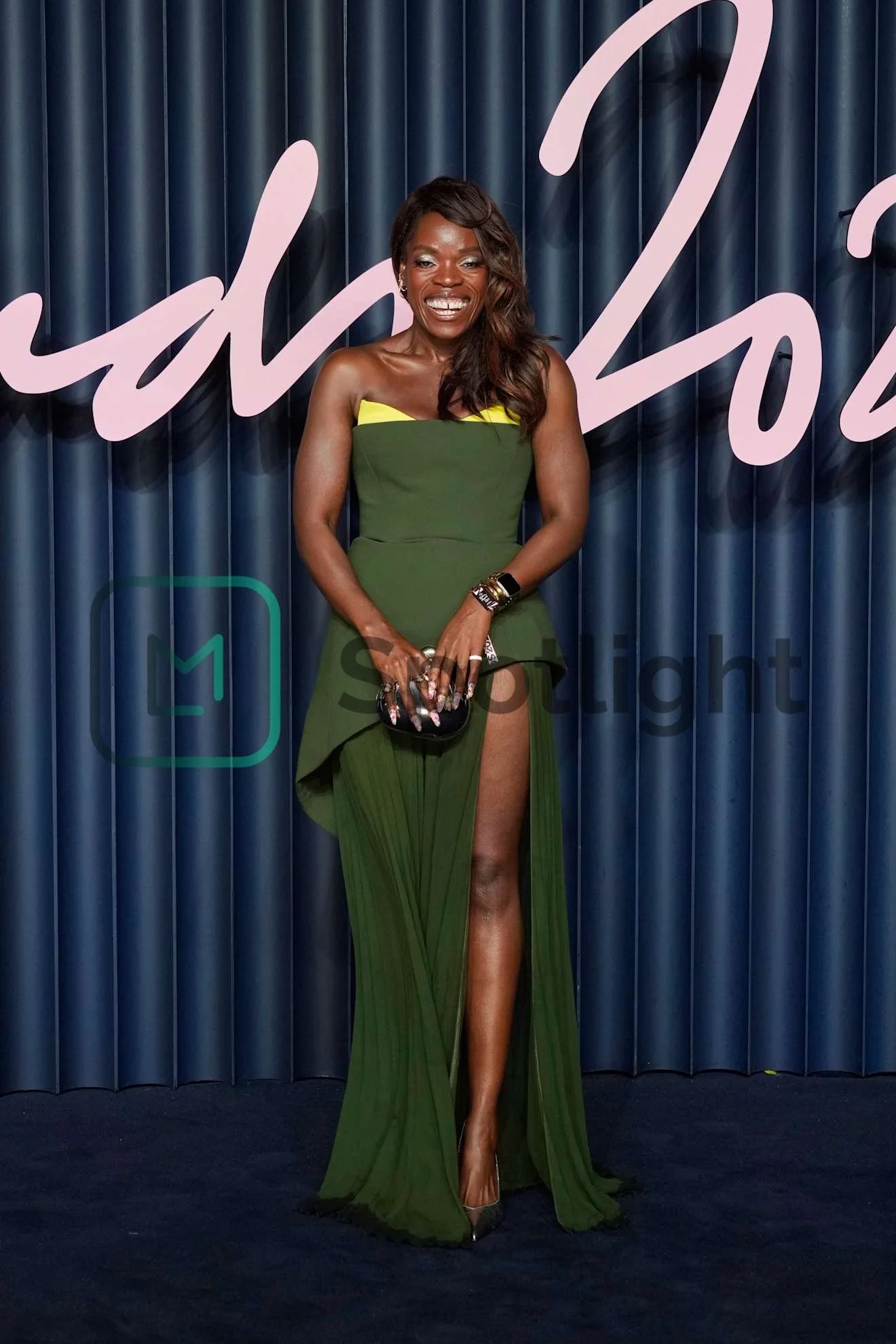
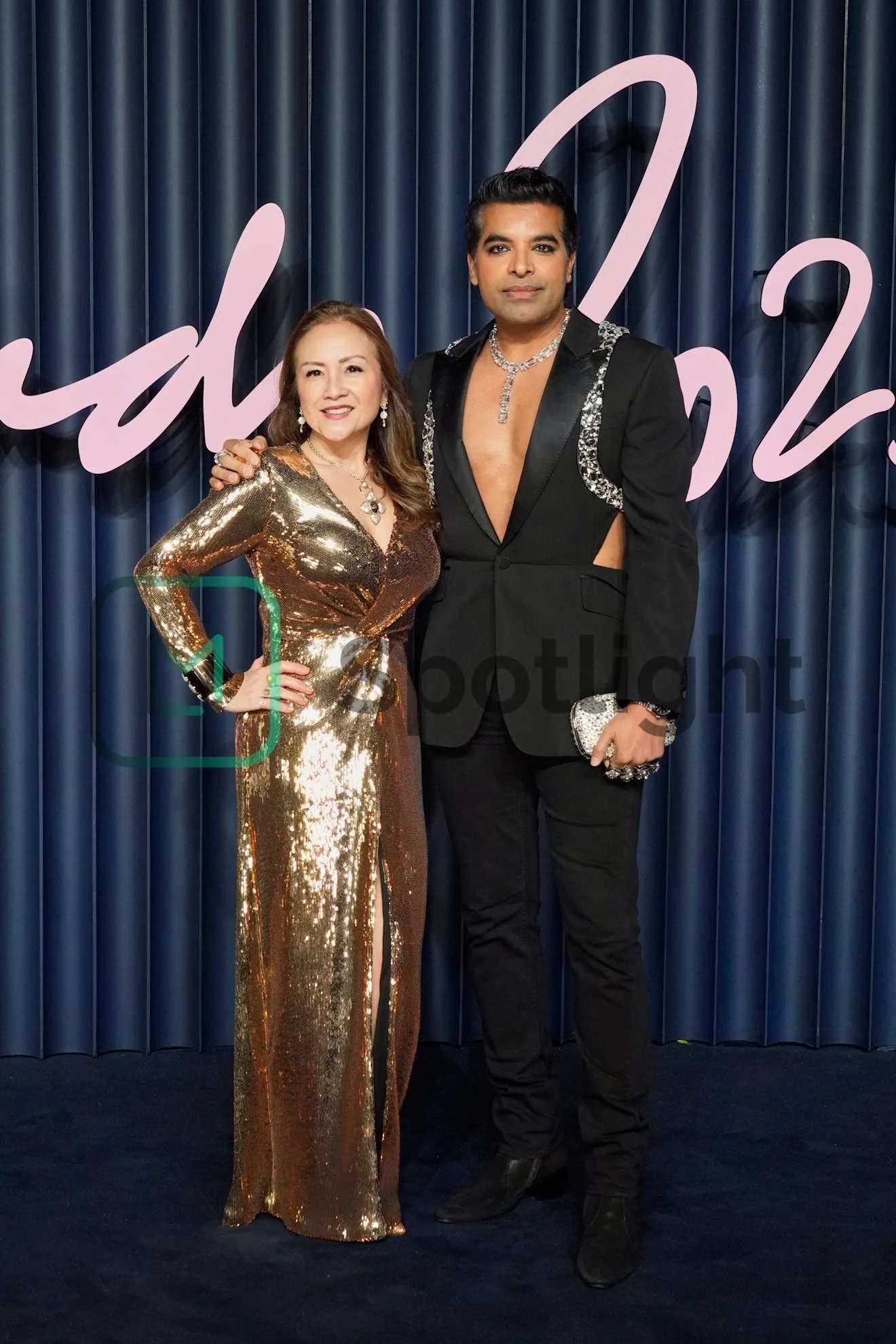
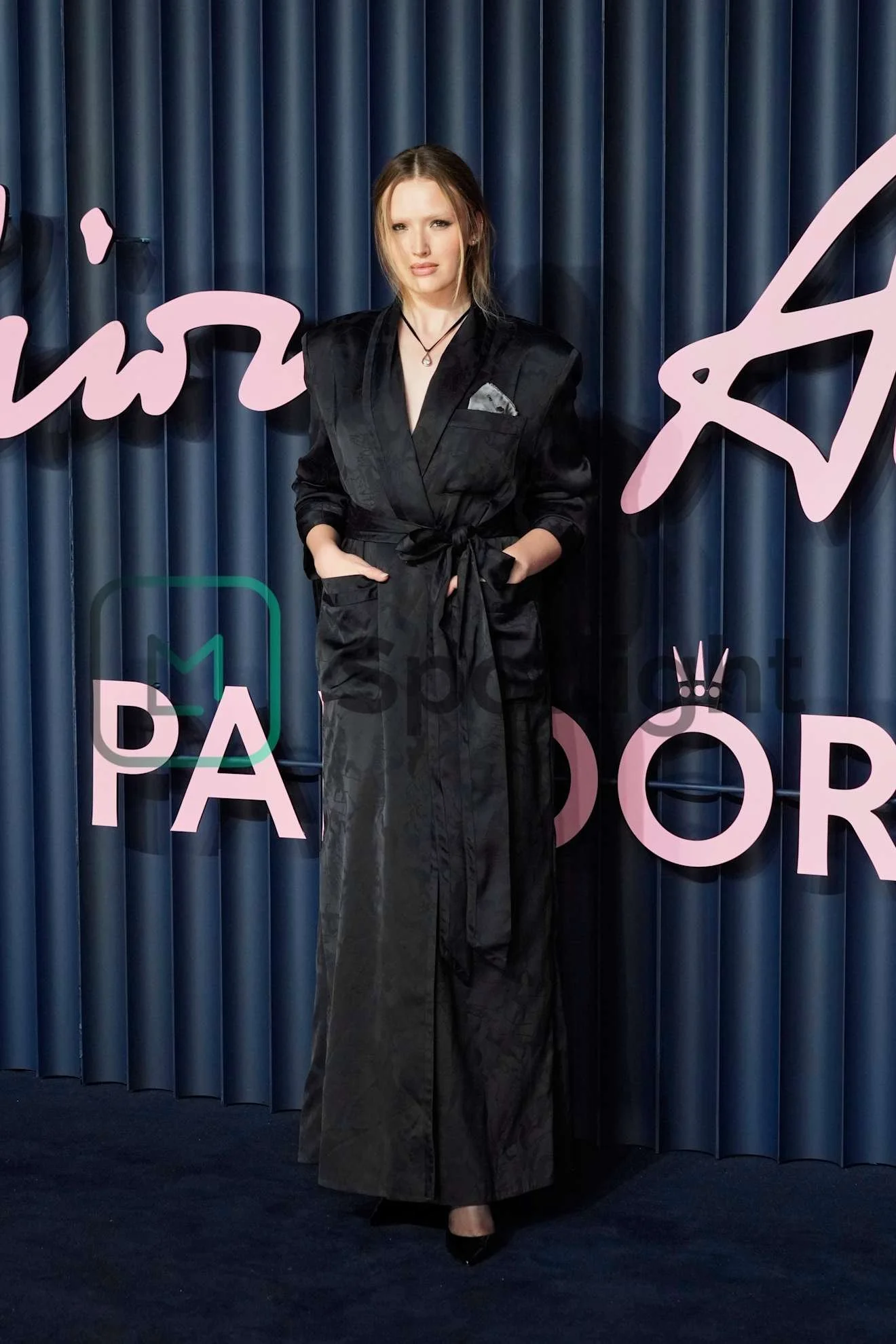
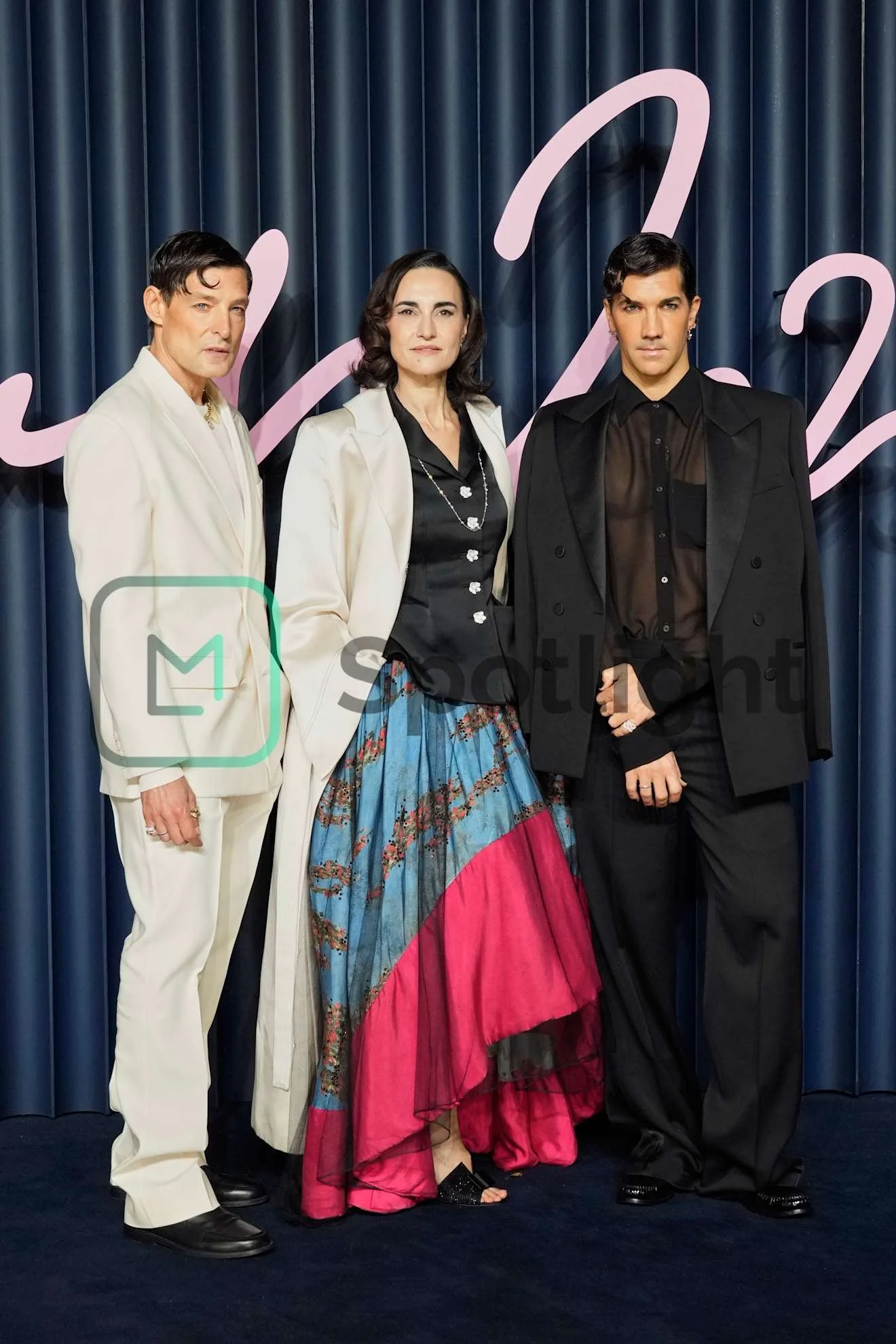
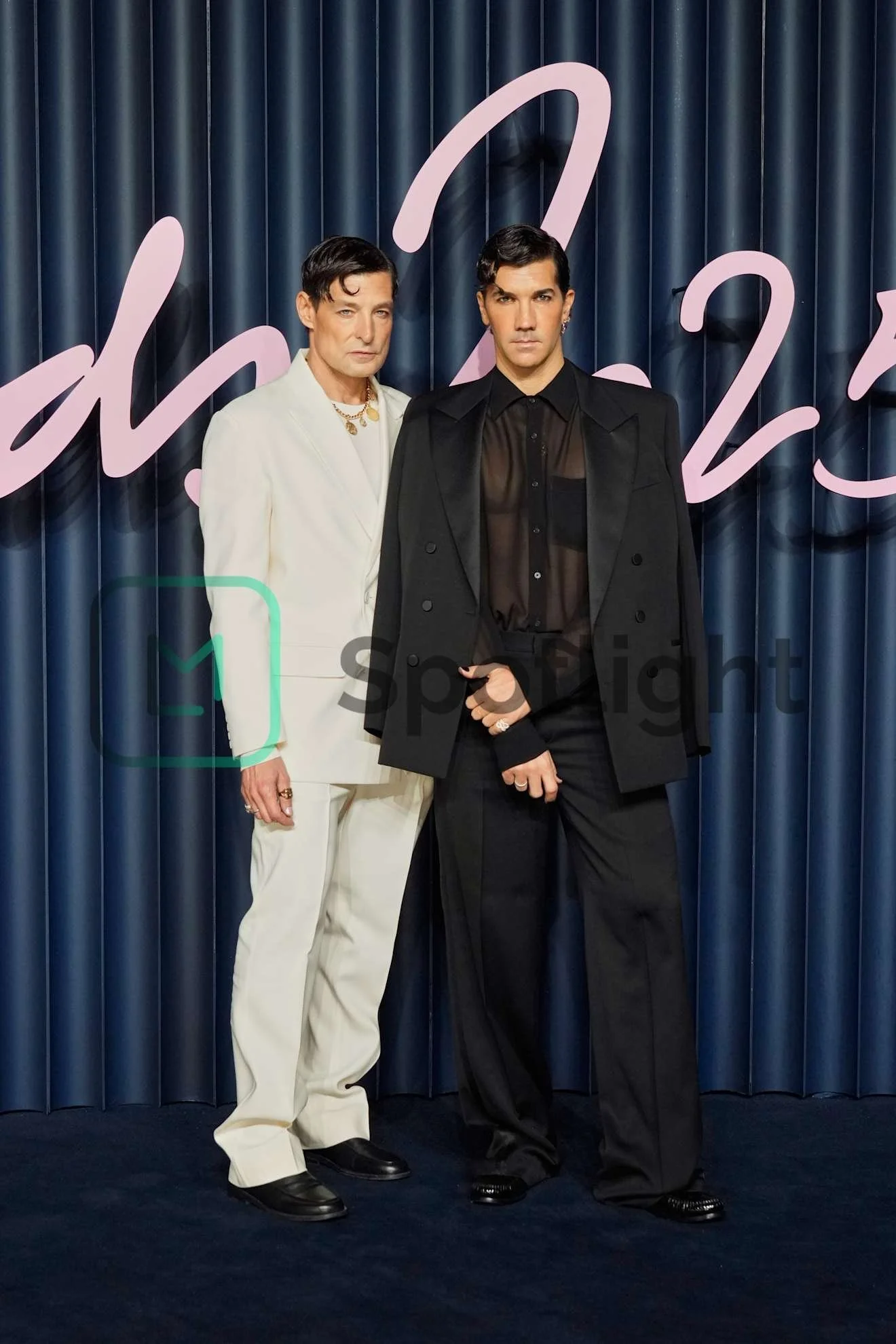
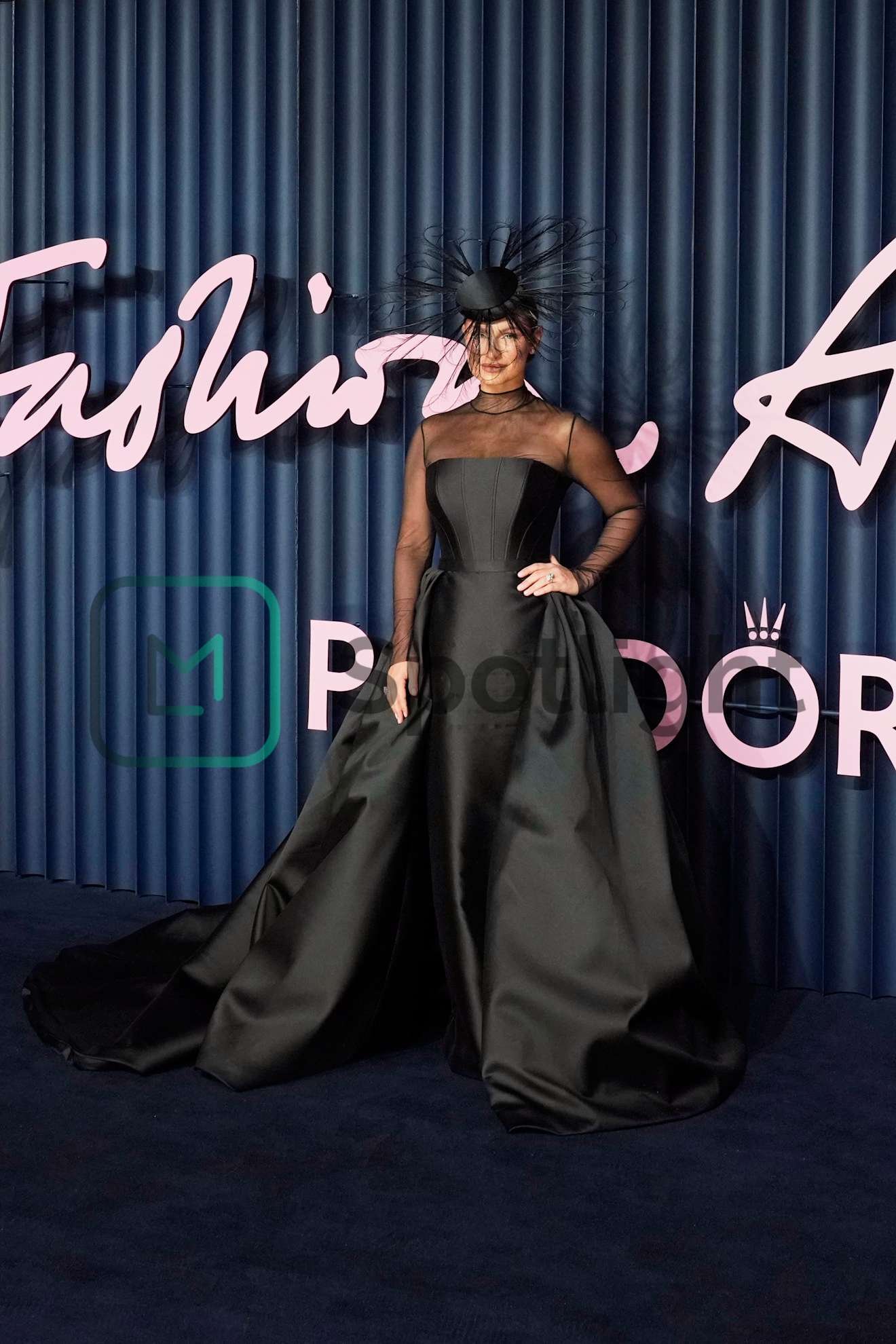
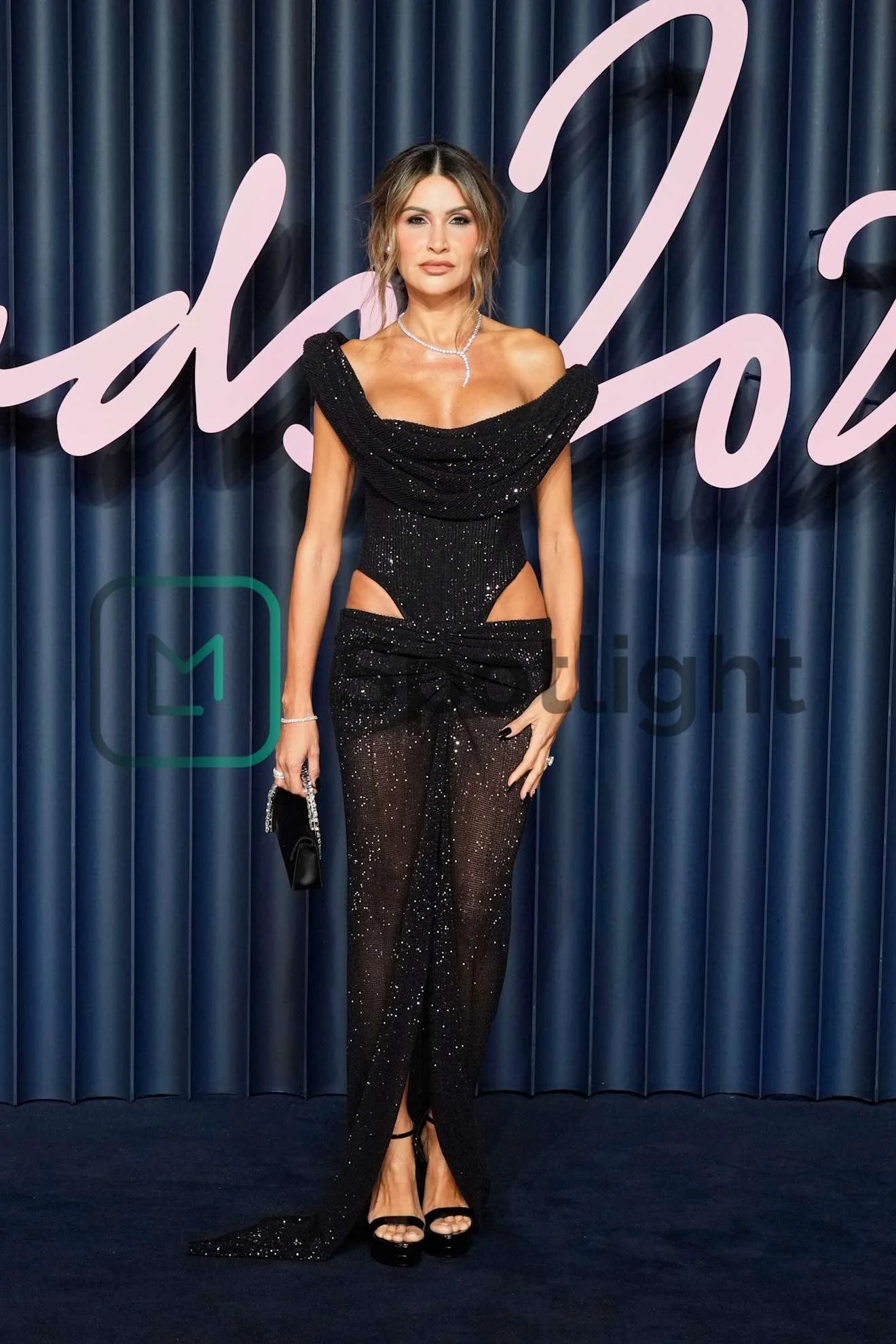
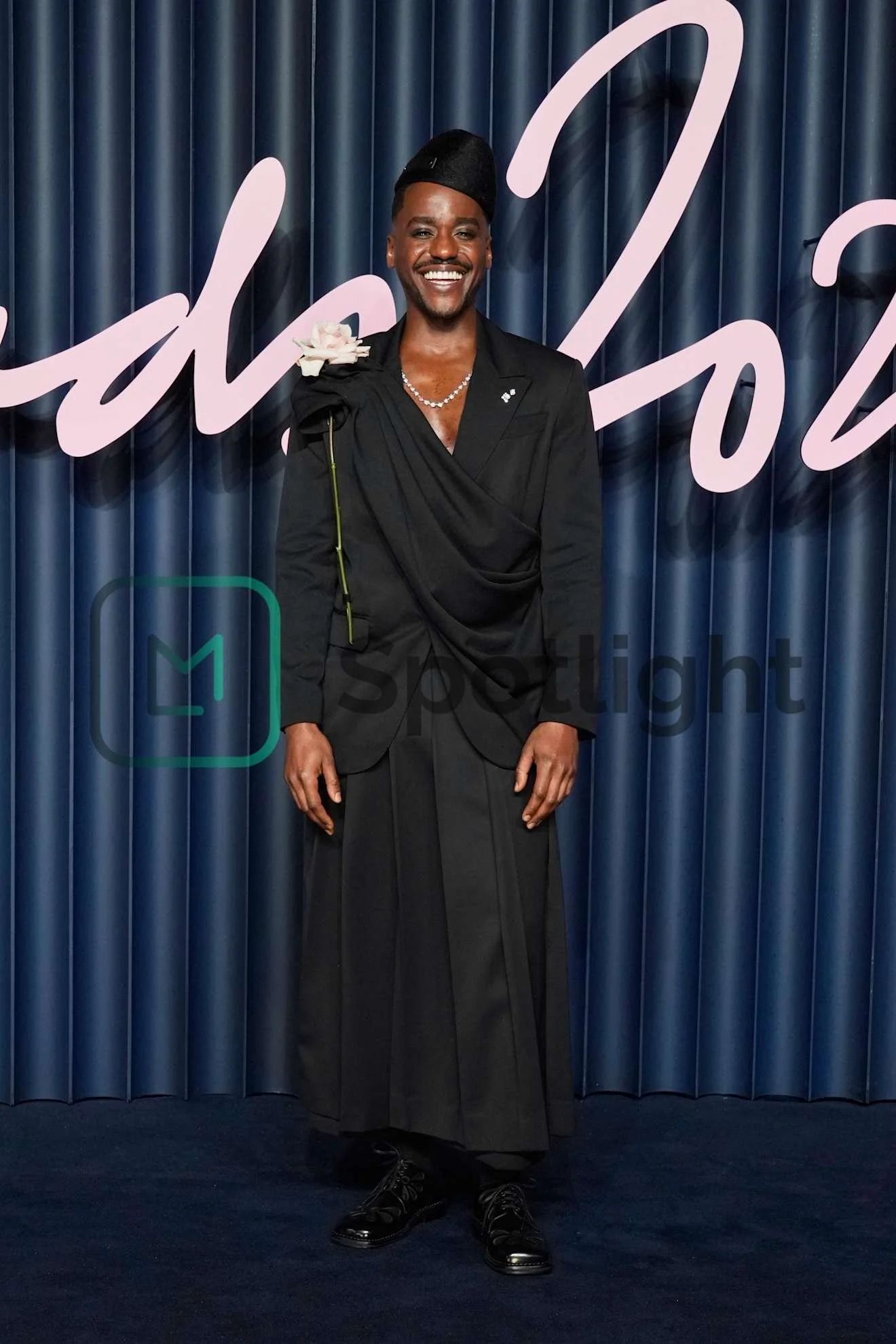
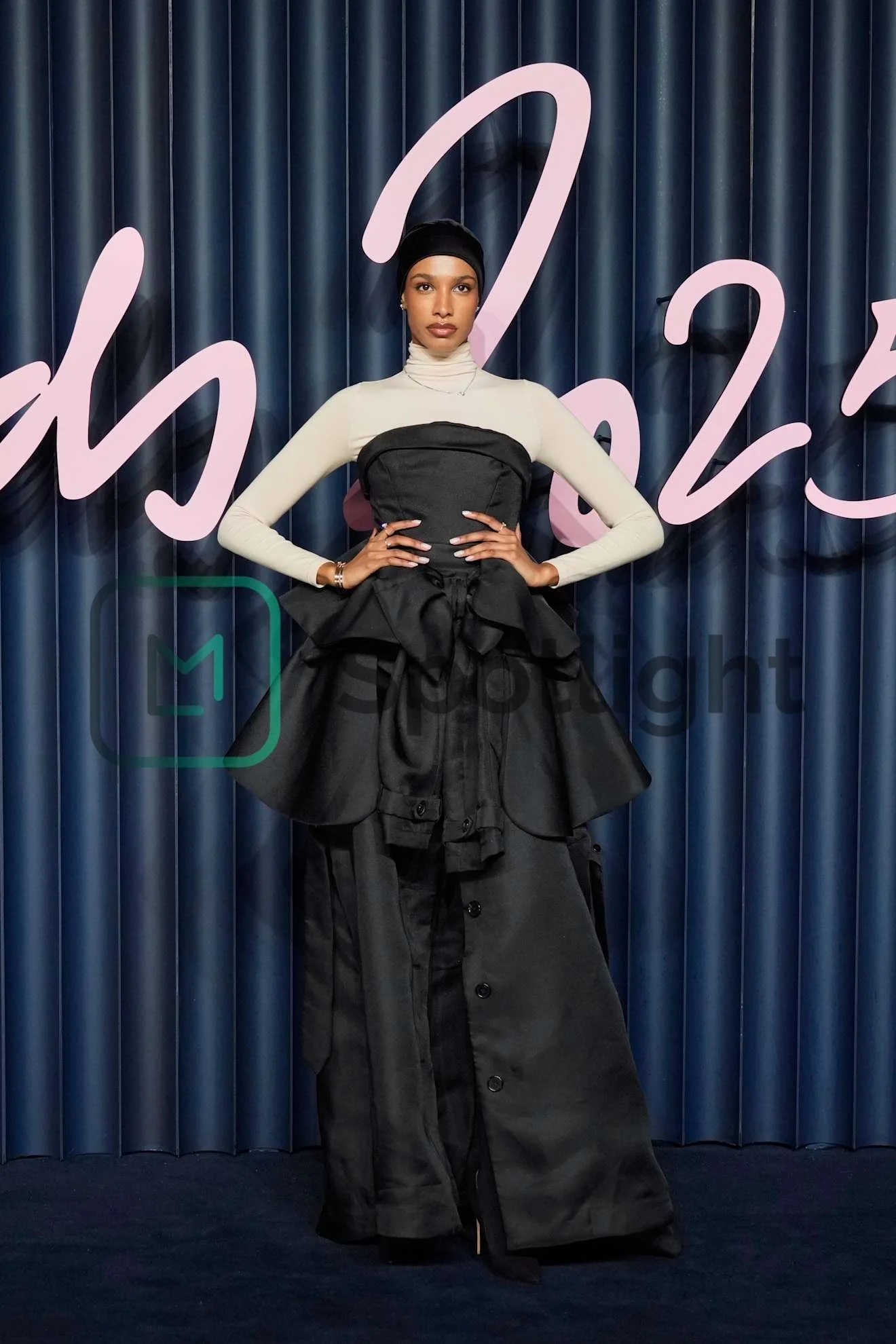
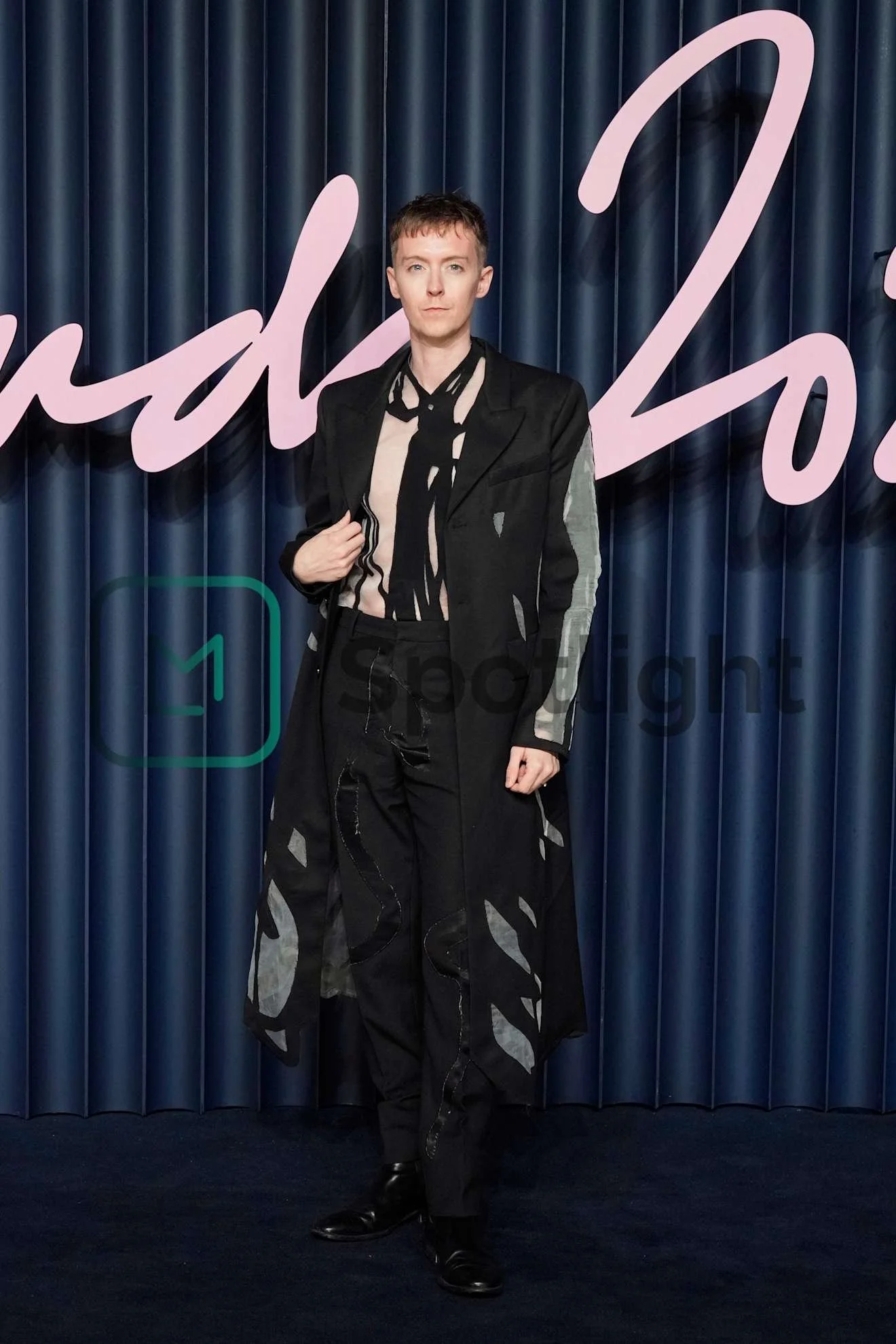
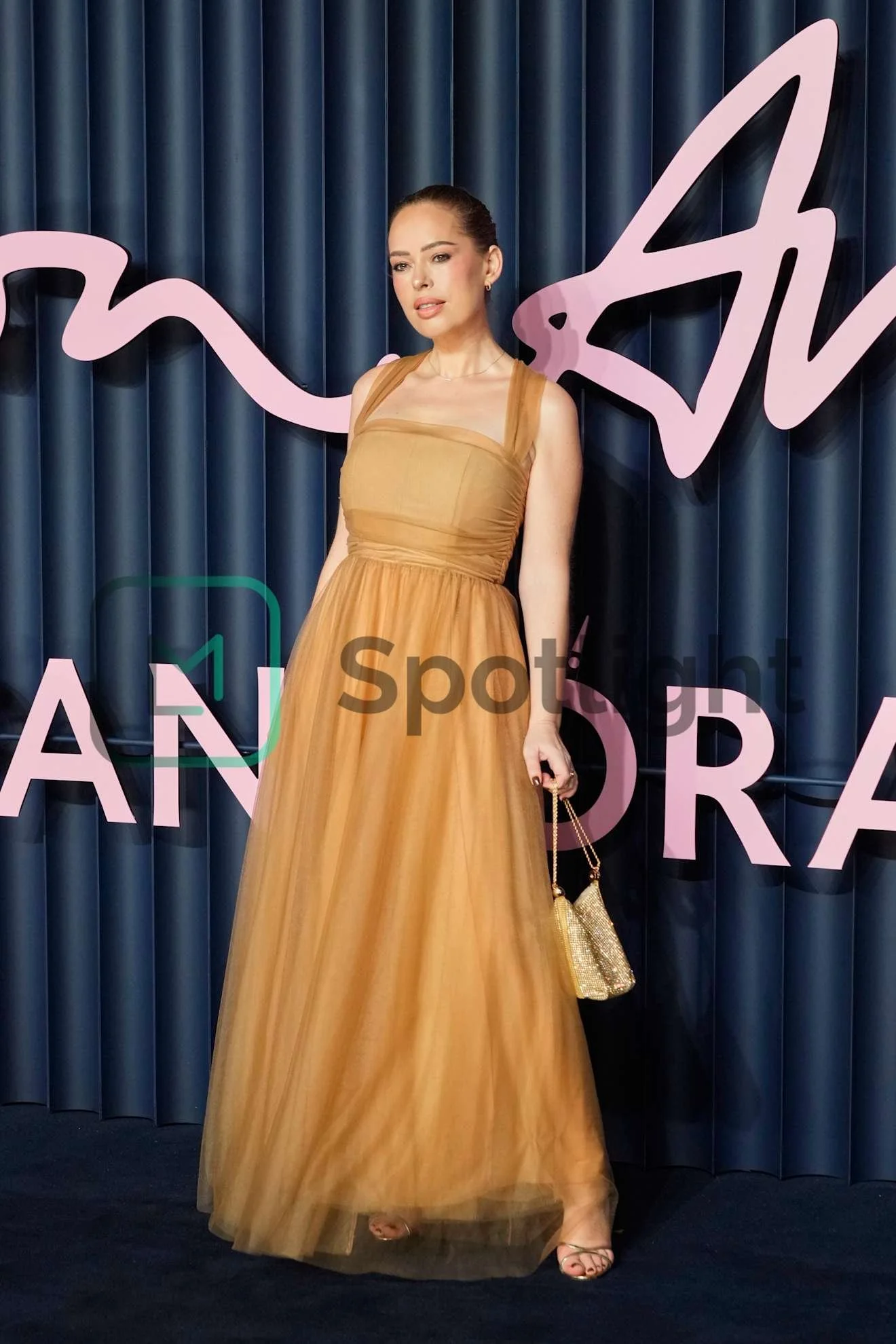
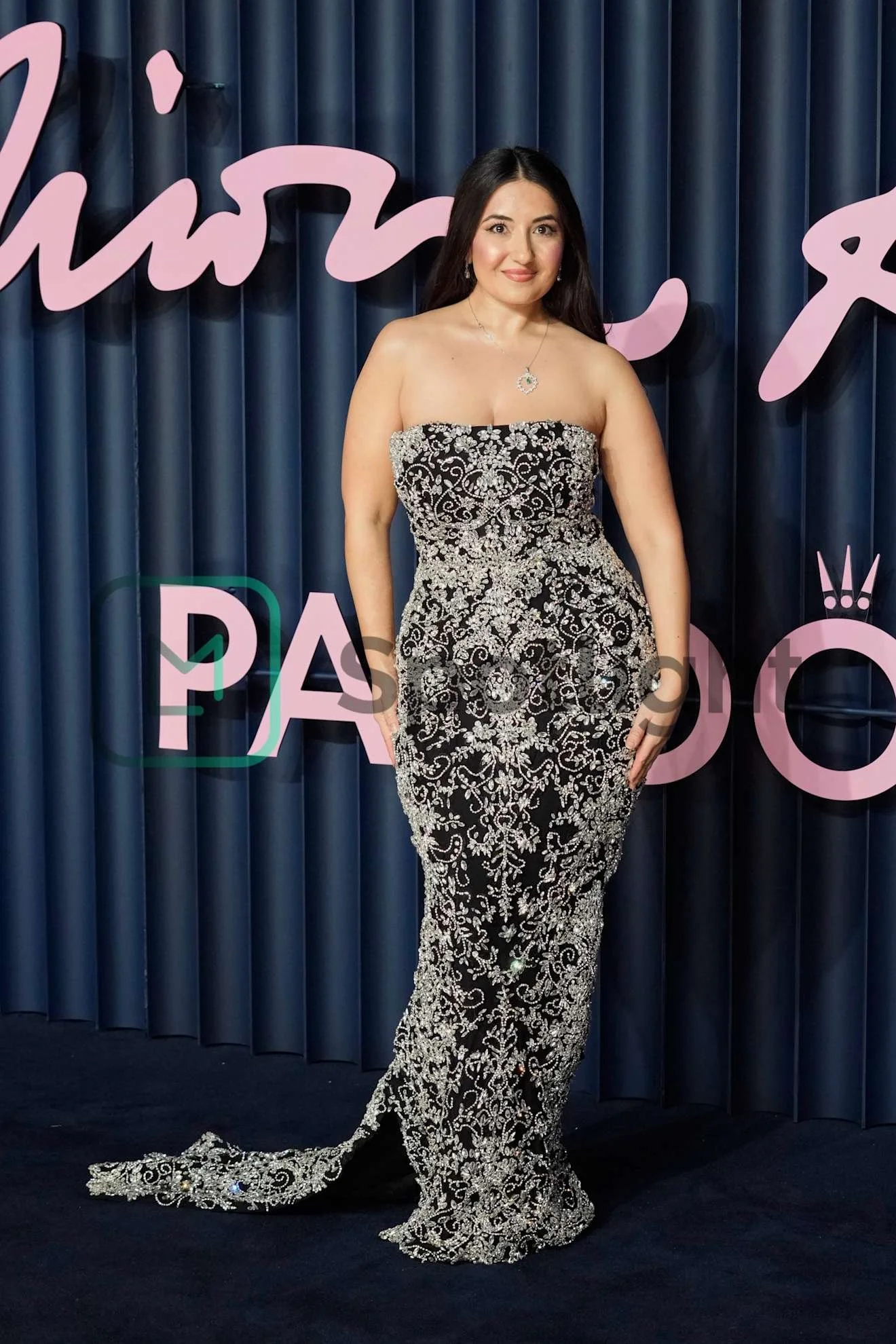
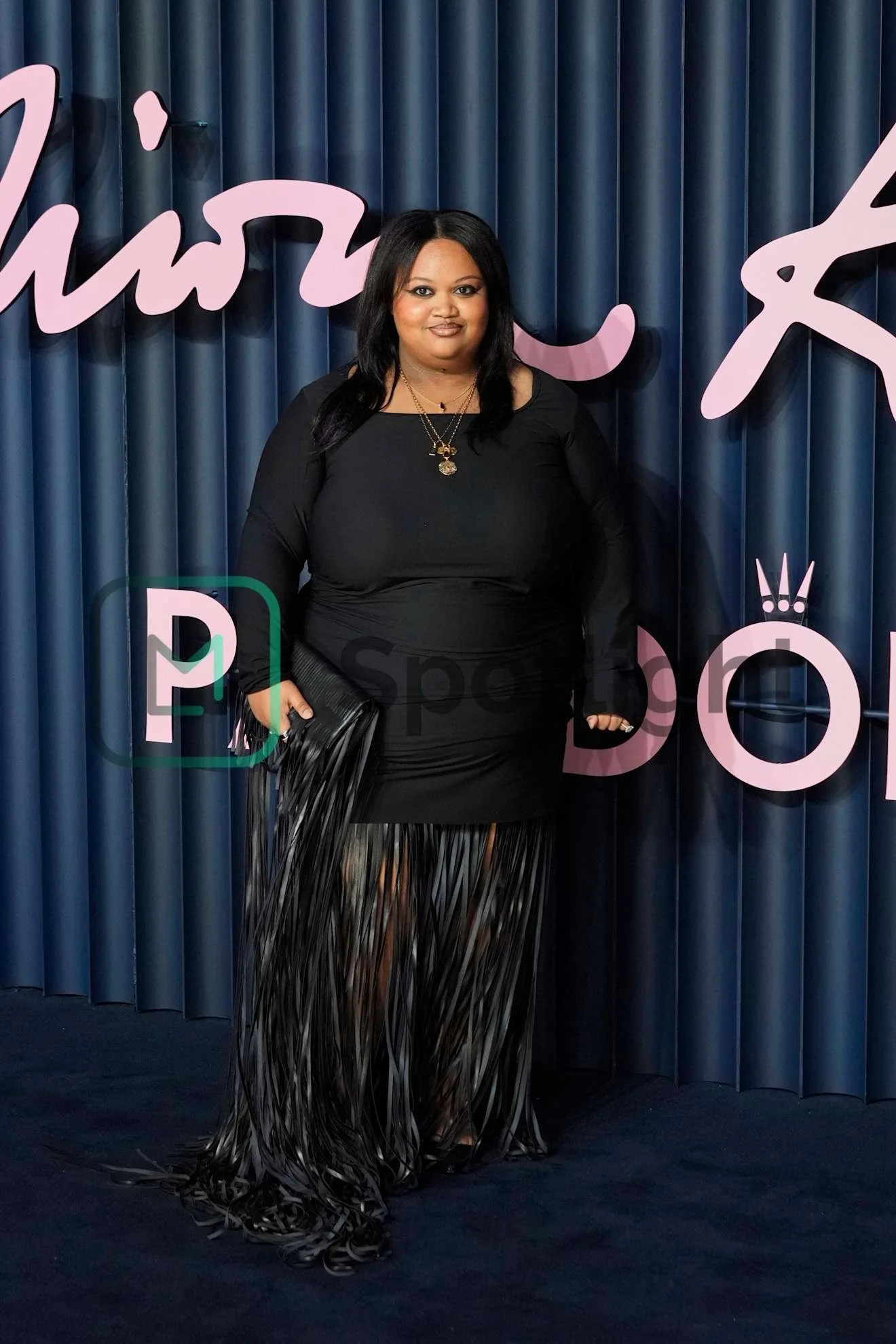
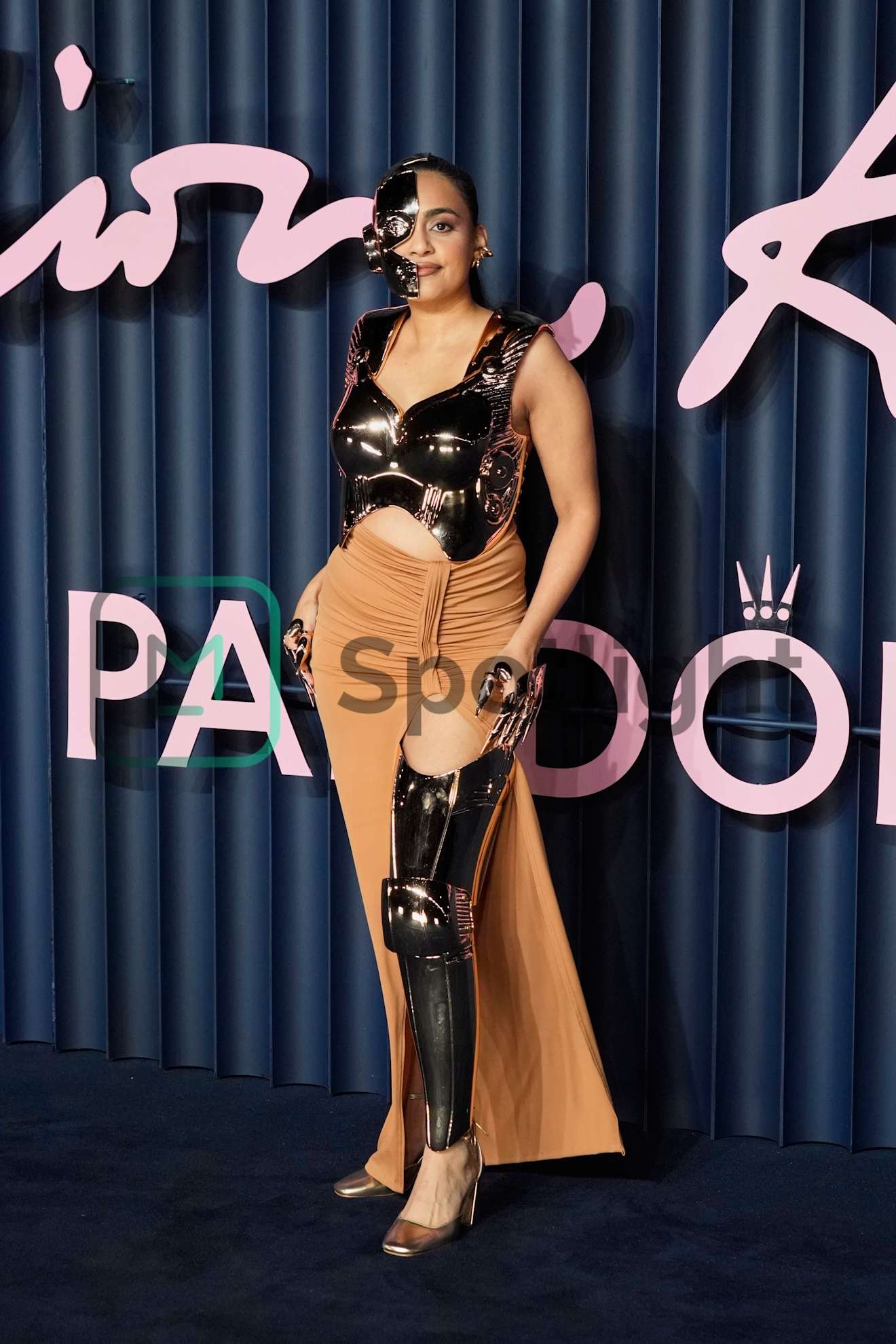
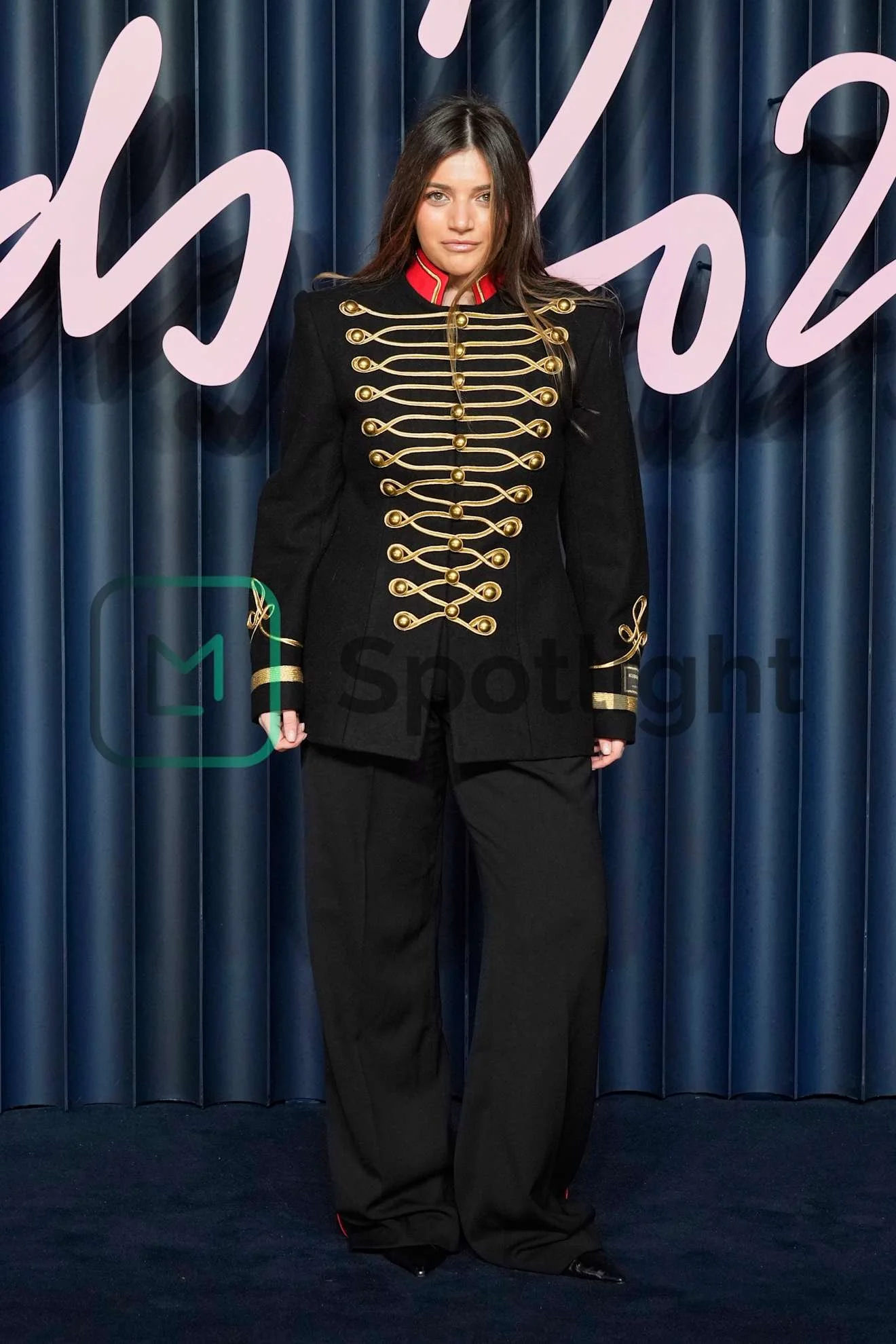
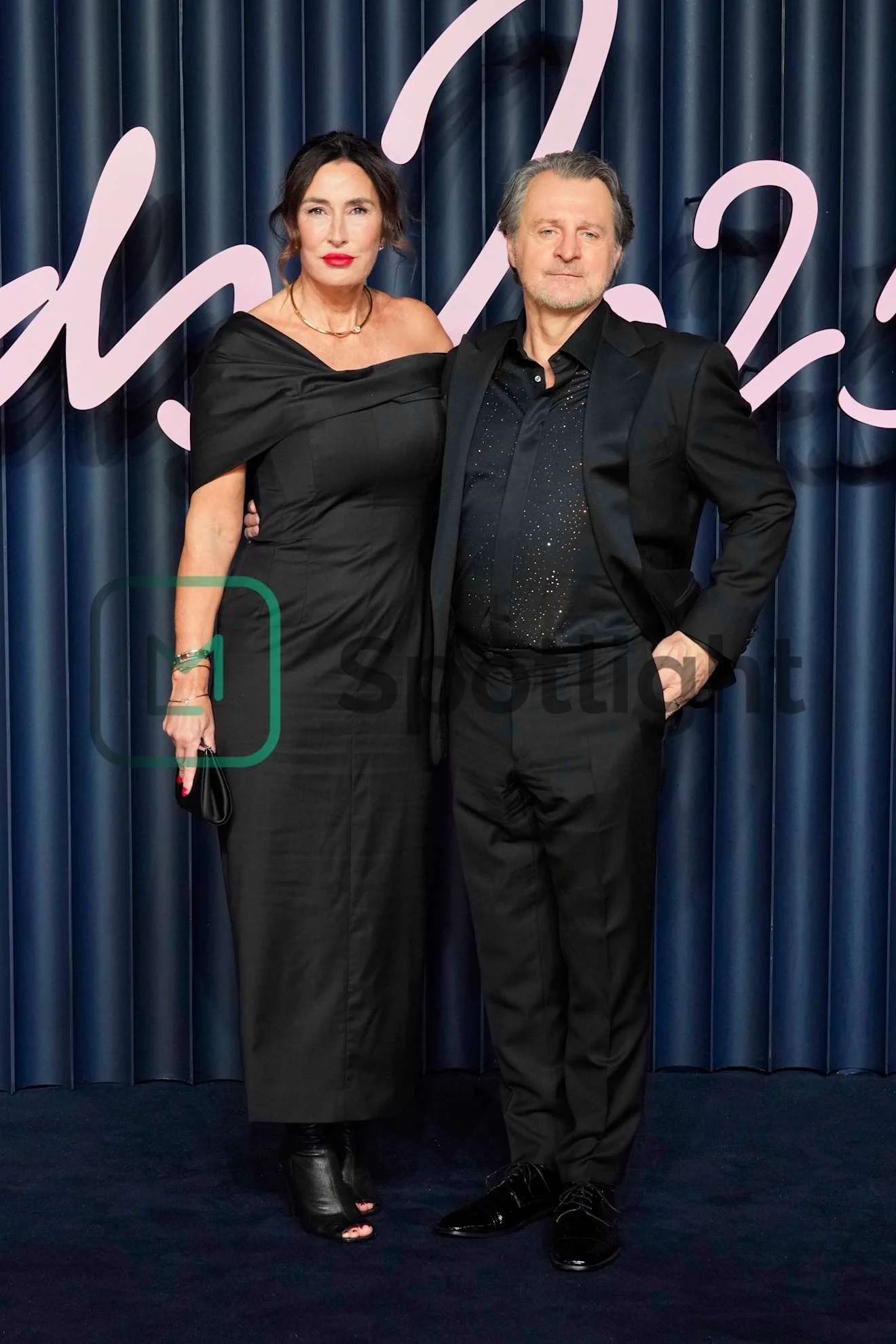
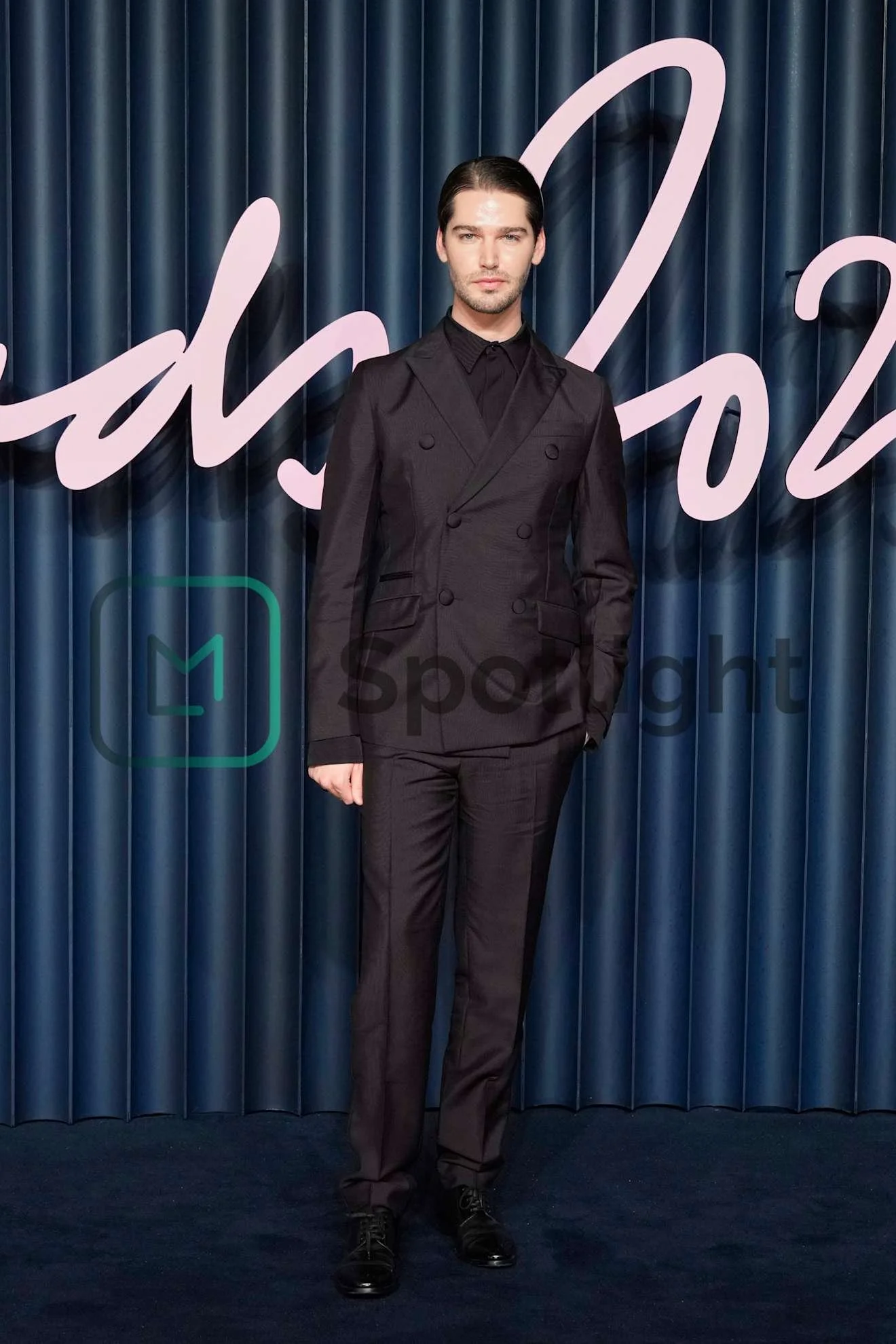
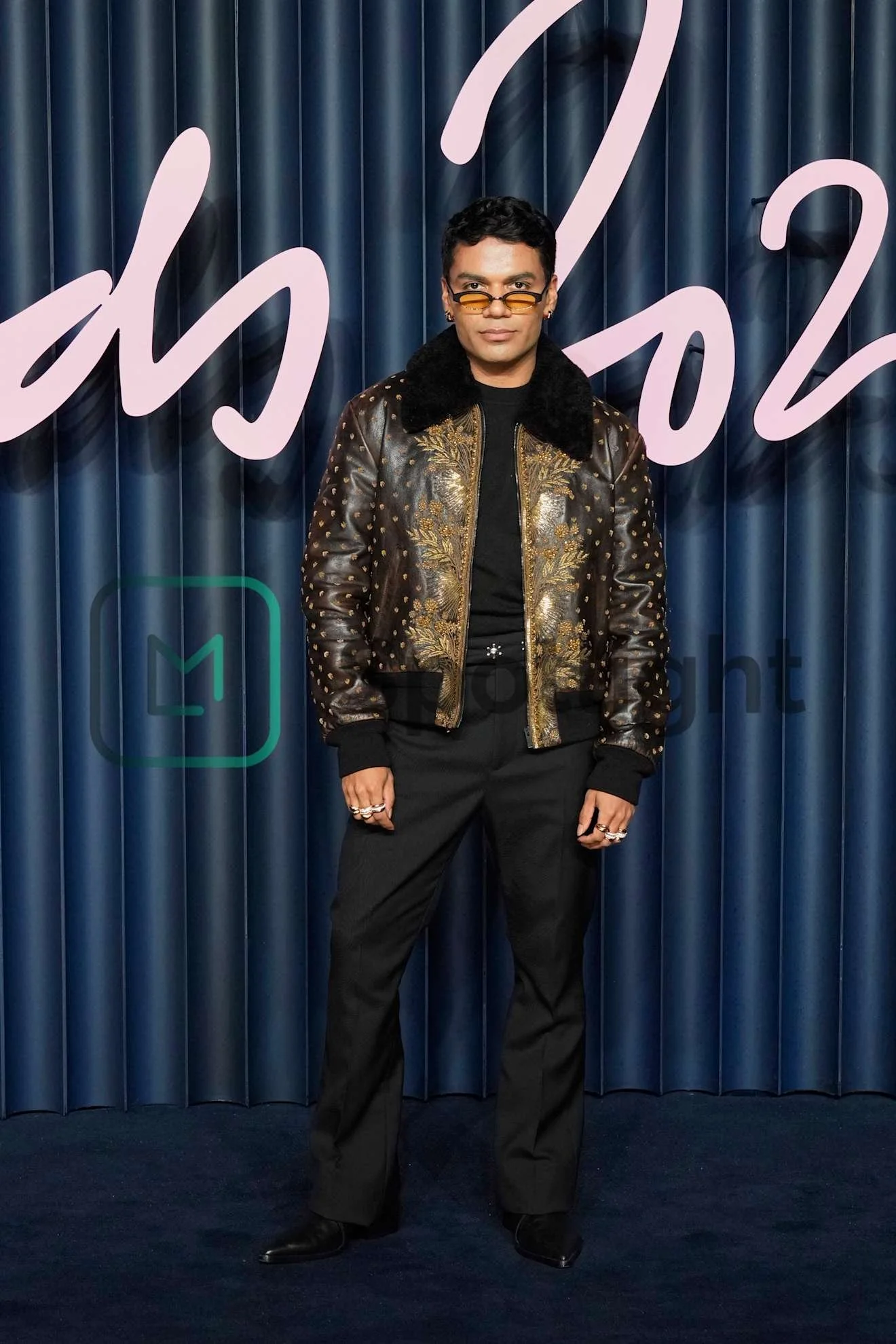
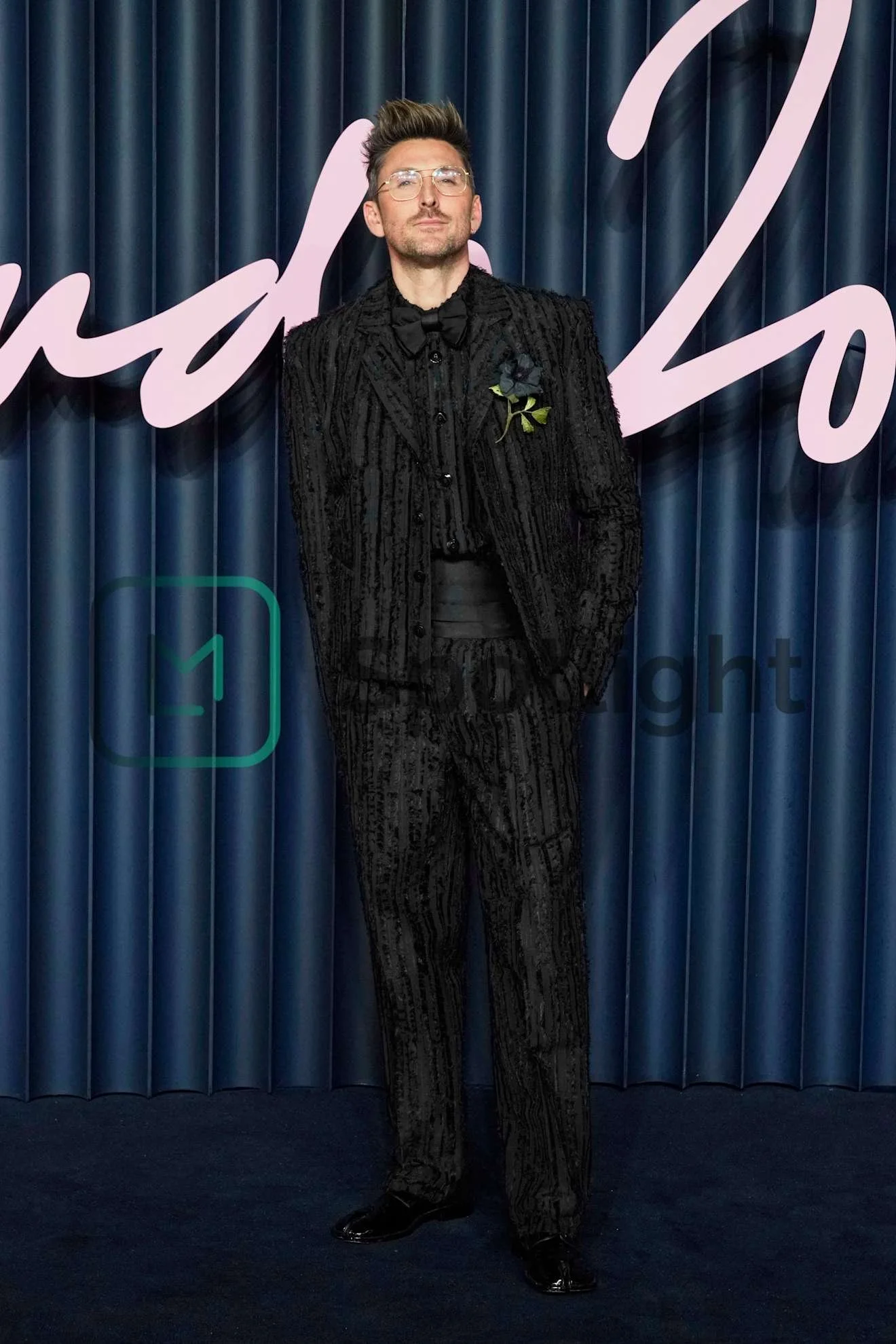
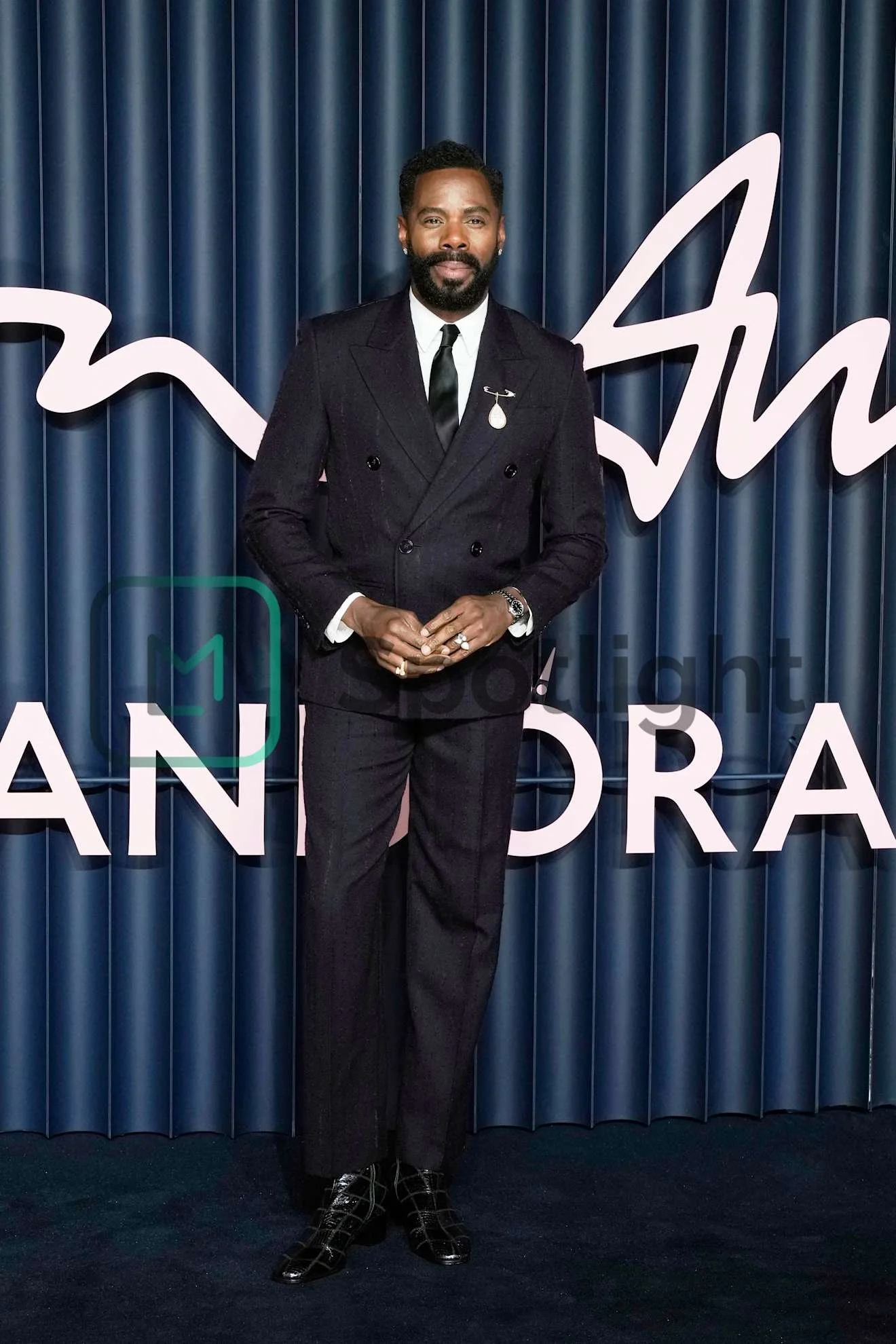
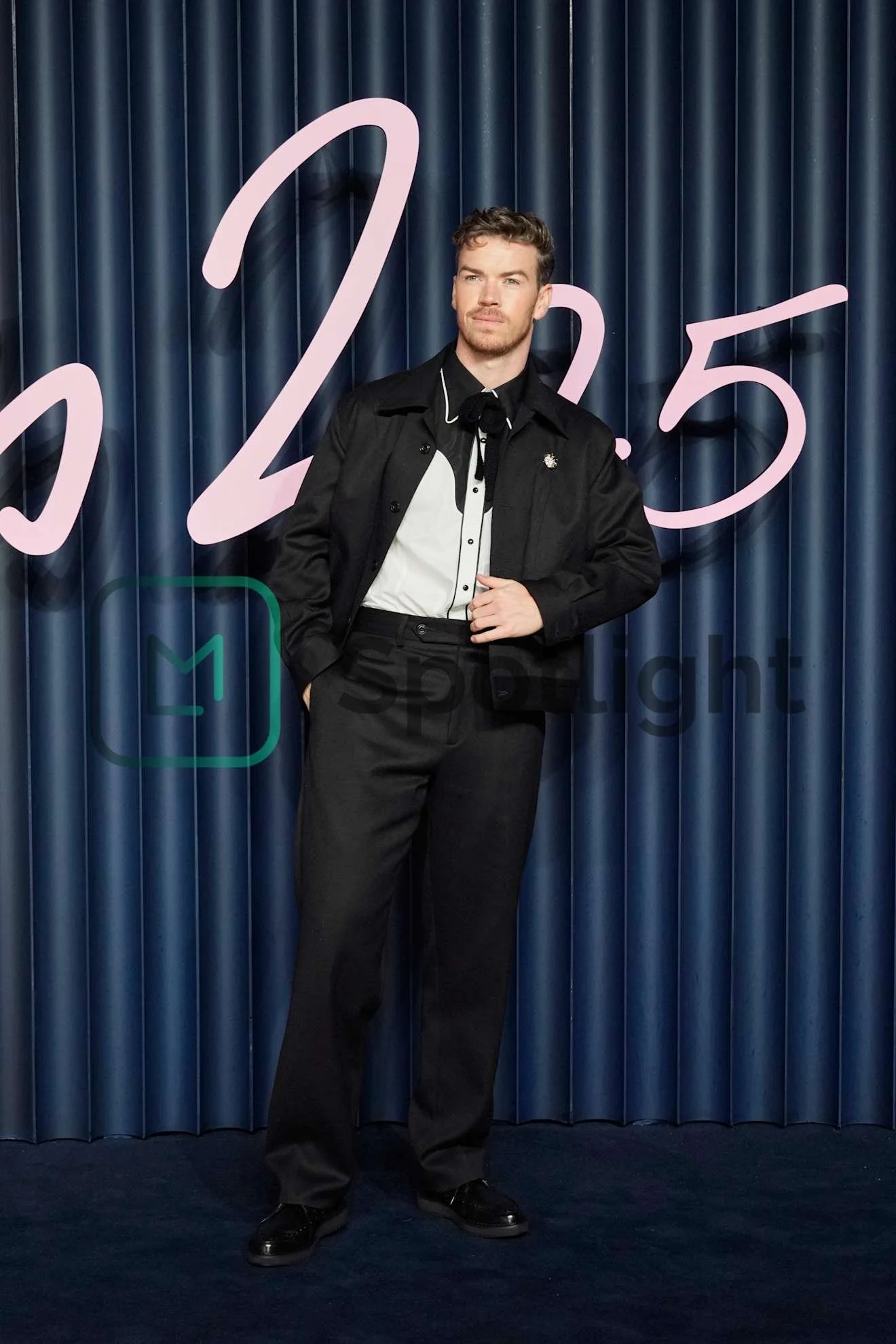
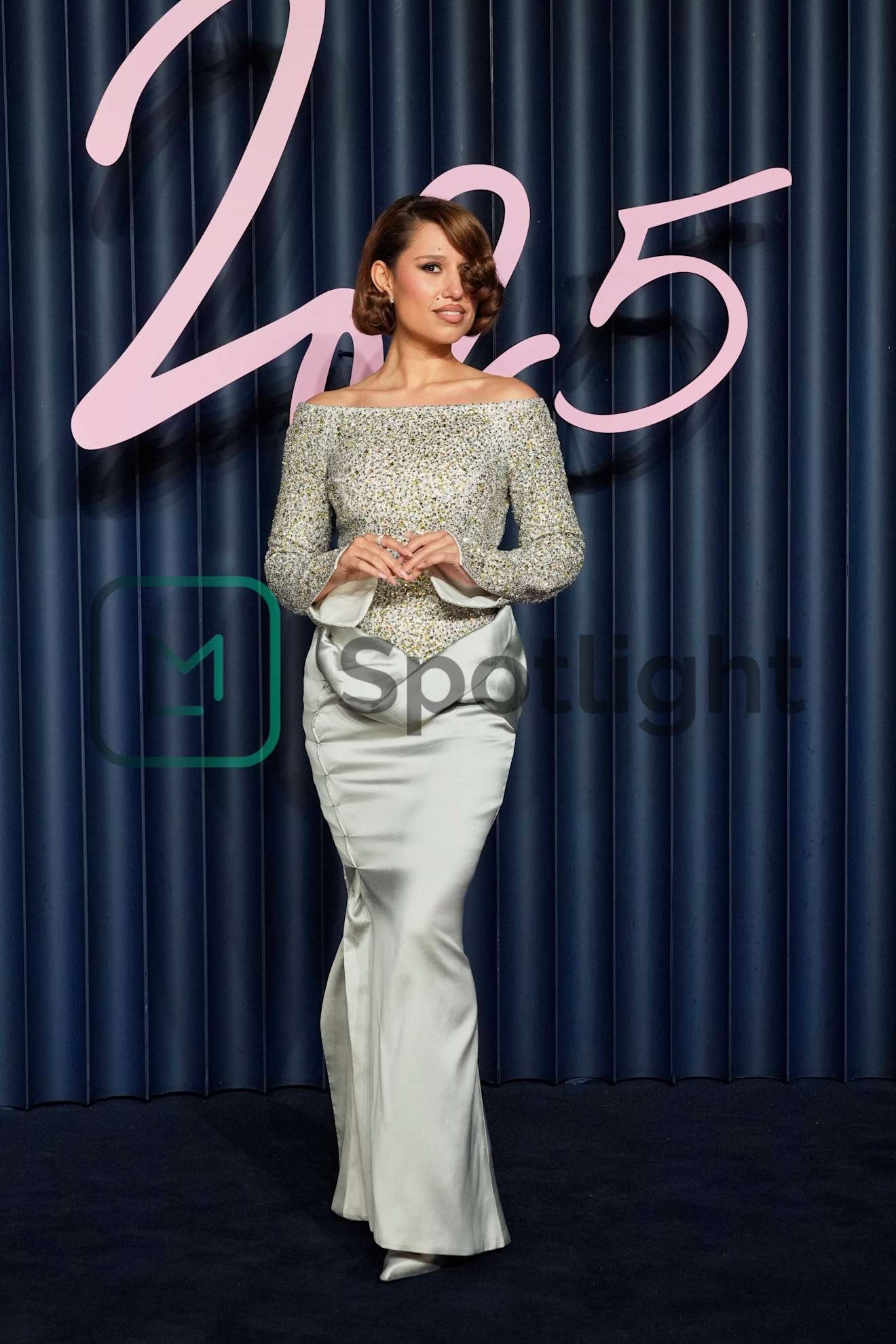
London’s Royal Albert Hall staged the industry’s yearly mirror again—this time with a clearer reflection. Under British Fashion Council’s new CEO Laura Weir and headline sponsor Pandora, The Fashion Awards 2025 leaned less on spectacle and more on the systems that keep fashion alive: rigor, community, and rooms that regulate rather than overwhelm. 
What actually won
Jonathan Anderson’s three-in-a-row “Designer of the Year” (across Dior and JW Anderson) felt less like a twist and more like a verdict: in a jittery market, audiences reward designers who weld house codes to contemporary culture without reaching for the algorithm. Grace Wales Bonner’s menswear honor and Sarah Burton’s womenswear win at Givenchy carried the same message—edit tightly, mean it, and let cut, proportion, and feeling do the talking. Anok Yai’s “Model of the Year” and Dilara Fındıkoğlu’s Vanguard nod underlined fashion’s present tense: specific, self-possessed, and unafraid to locate beauty in conviction. 
The night beneath the night
Awards galas are theatre, but they are also infrastructure. This year doubled as the BFC Foundation’s major fundraiser for scholarships and talent development—evidence that the ceremony’s resonance is measured as much in pipelines as in posts. If Weir’s broader 2025 posture has been “optimism with scaffolding,” the evening tracked: orchestral staging, yes, but in service of continuity, access, and education. 
A quiet reset in an era of overdrive
Seen through Prophecy Brand’s lens, 2025’s winners map to where luxury is moving:
• Craft + culture over logo logic. Anderson’s and Wales Bonner’s recognition signals that calibrated design (not volume) is the currency that holds attention across seasons. 
• Experience as distribution. The new “Style Moment of the Year” makes it explicit: placement, styling, and image choreography are growth levers—not garnish. Treat stylists like editors and partners, not just logistics. 
• Calm rooms convert. The night’s most resonant passages weren’t the loudest. The lesson for brands: design environments—physical and digital—that regulate the nervous system so the story can land and be remembered.
Why this matters now
Across the Atlantic, the CFDA’s 2025 slate (Ralph Lauren, Thom Browne, The Row, Ashlyn) read similarly: permanence over performative churn. Read together, the awards season rewards identity with receipts—houses and independents who can prove continuity in both product and community. 
Prophecy’s takeaways for builders
1. Narrative first, then noise. If the “why” is fuzzy, the work becomes frantic. Decide the feeling you want remembered—then design everything (cast, light, sound, tempo, copy) to protect it.
2. Style strategy, not styling tasks. Archive the visual grammar that makes your brand legible in a single frame. Make it repeatable without becoming rote.
3. Small rooms, strong gravity. Track re-invitations, private-appointment rebooks, and referrals from intimate experiences. Those are your leading indicators.
4. Measure resonance. Impressions fade; memory compounds. Build for what lingers.
This year’s Fashion Awards offered a simple clarity: when the market shakes, the brands that hold are the ones that feel like truth—edited, embodied, and emotionally safe to stand inside.
With resonance,
Joseph
REVELATION. RESONANCE. LEGACY.
QUIET, PRESSURE, OR RELIEF—HOW DOES THIS ROOM HOLD YOU?