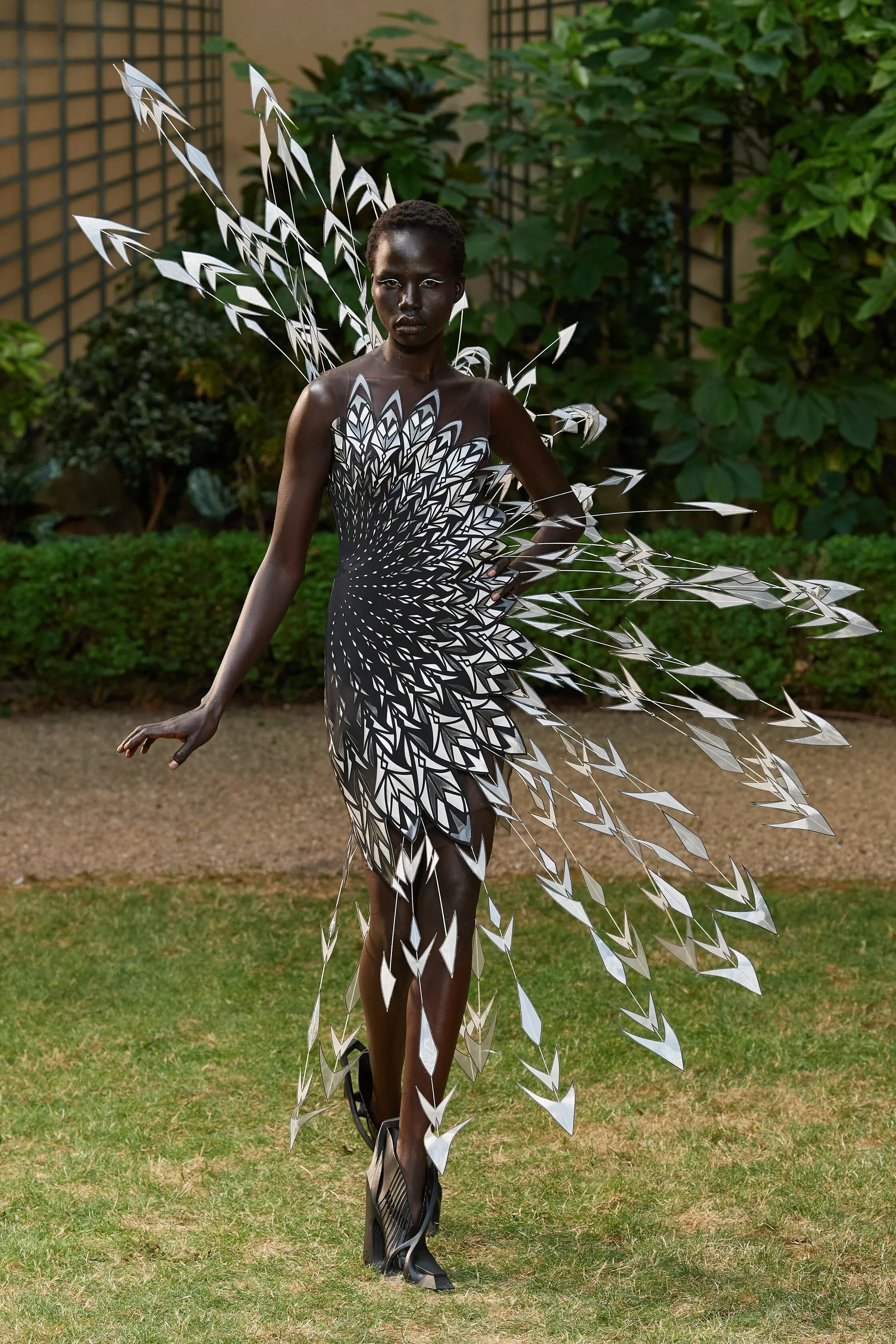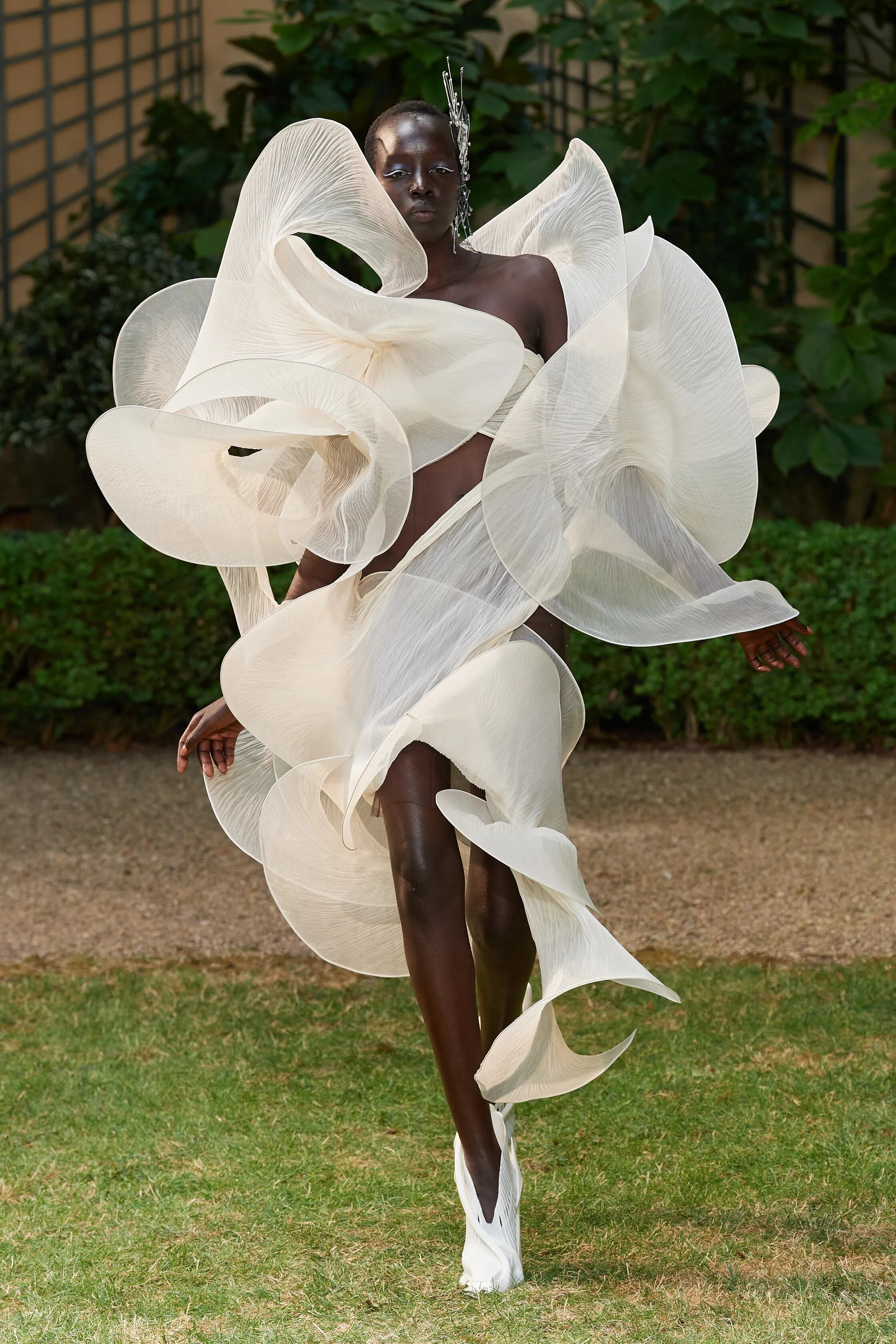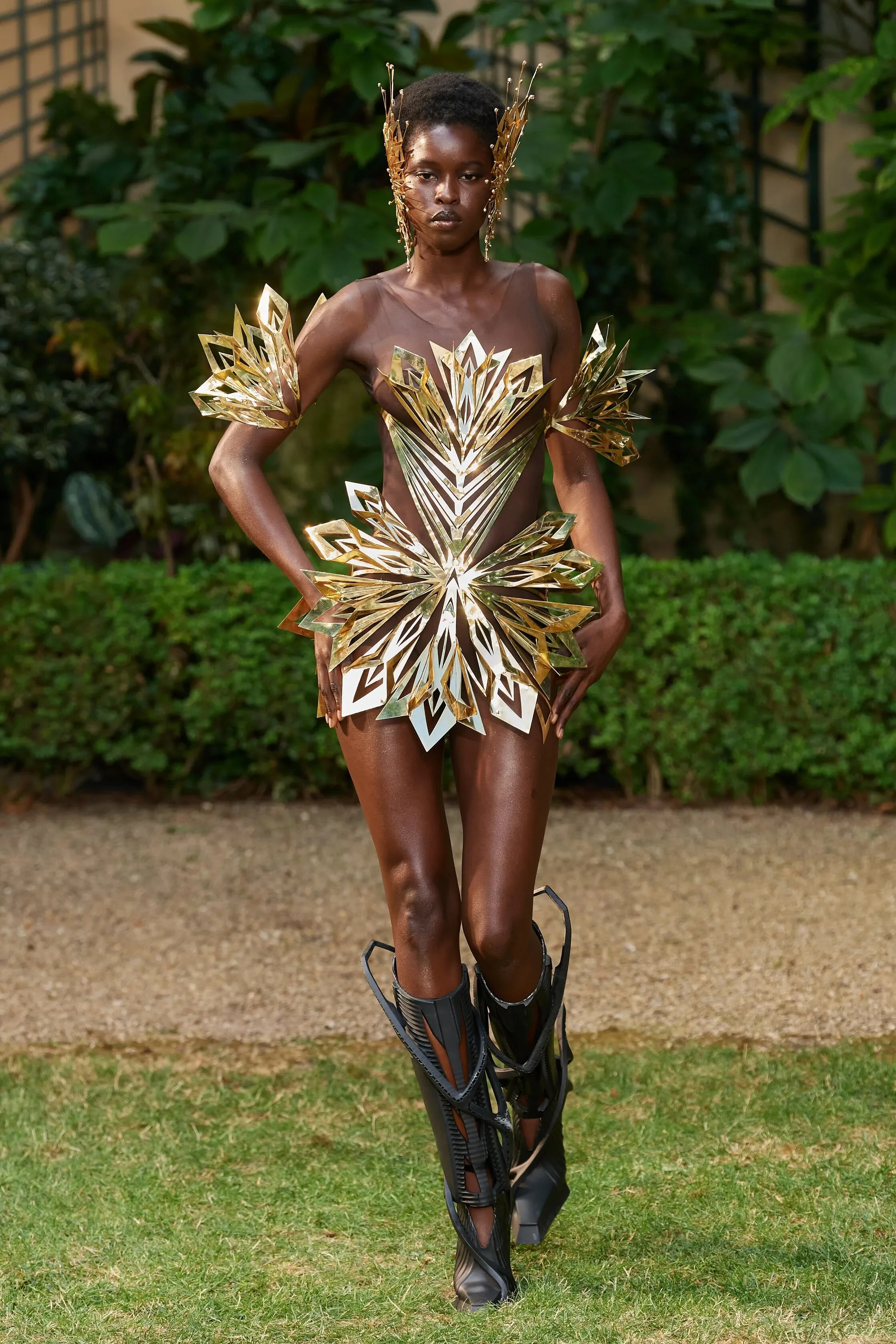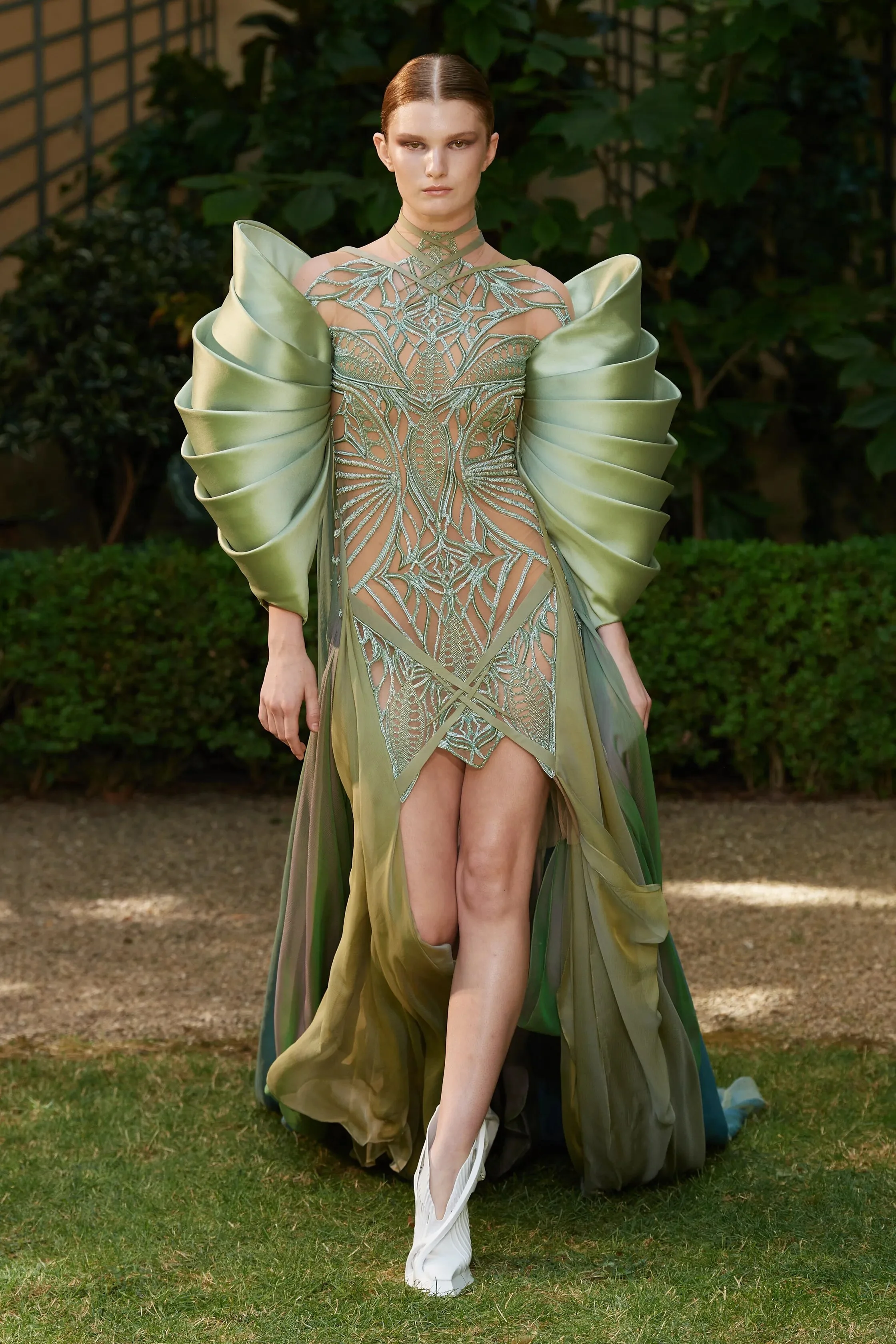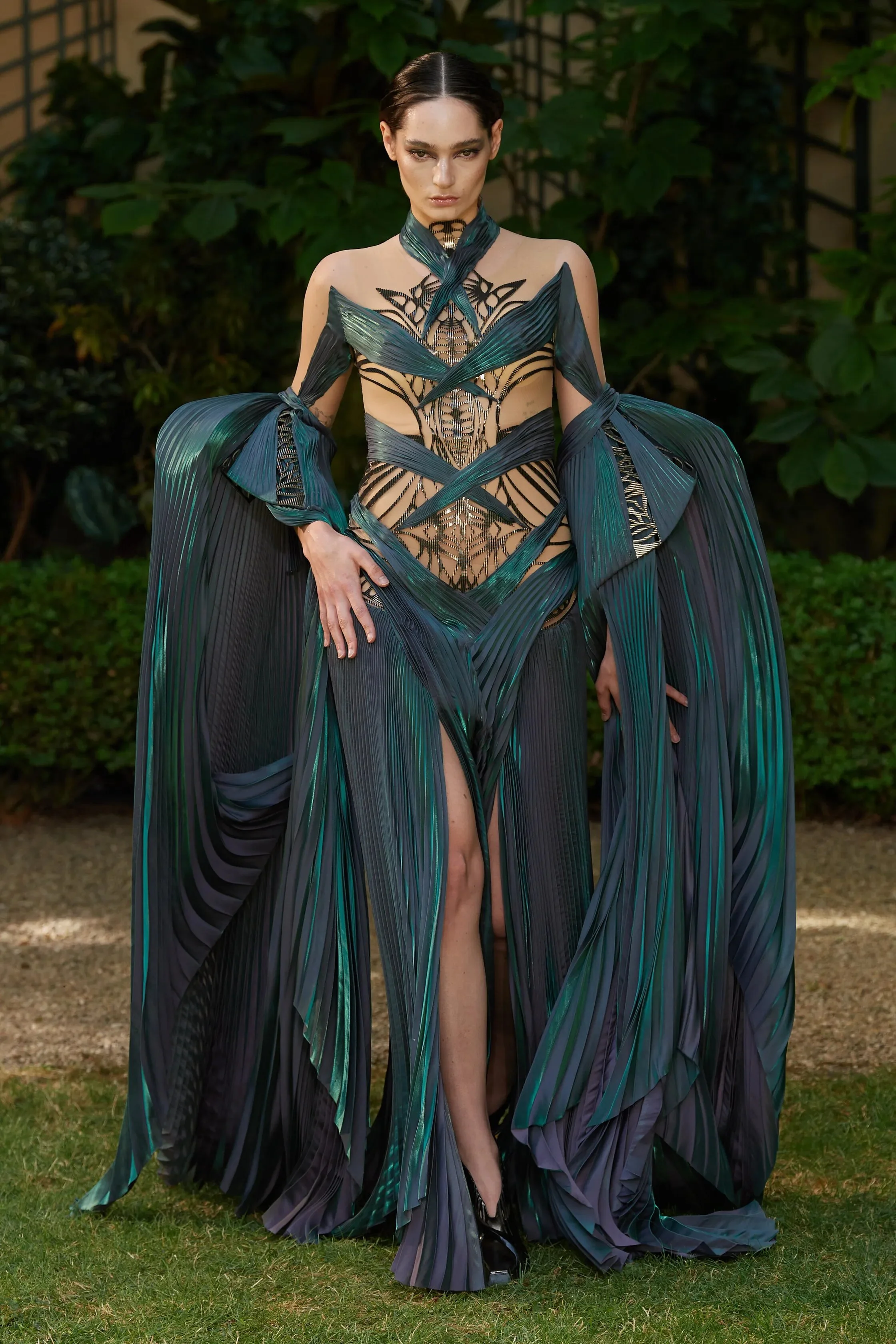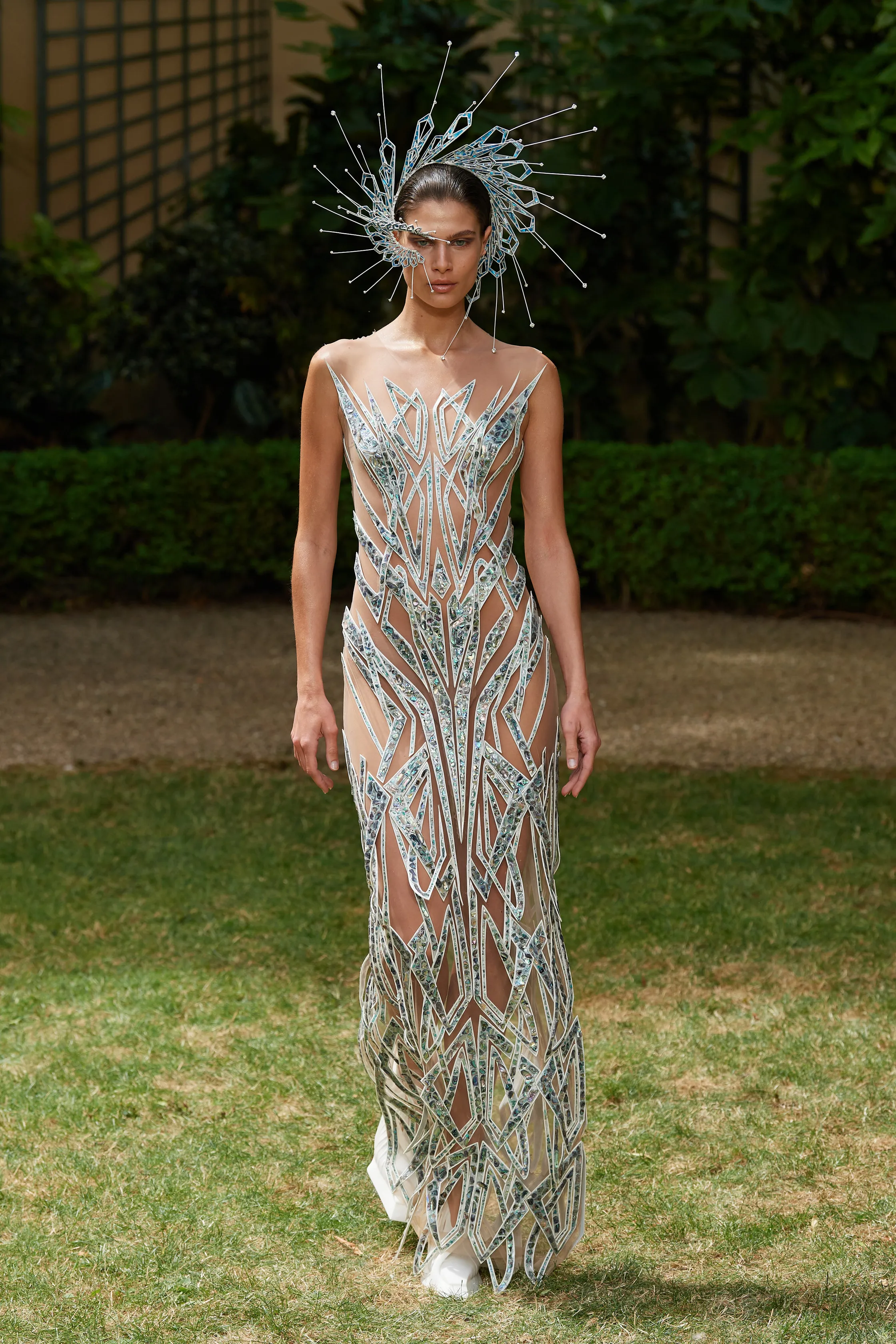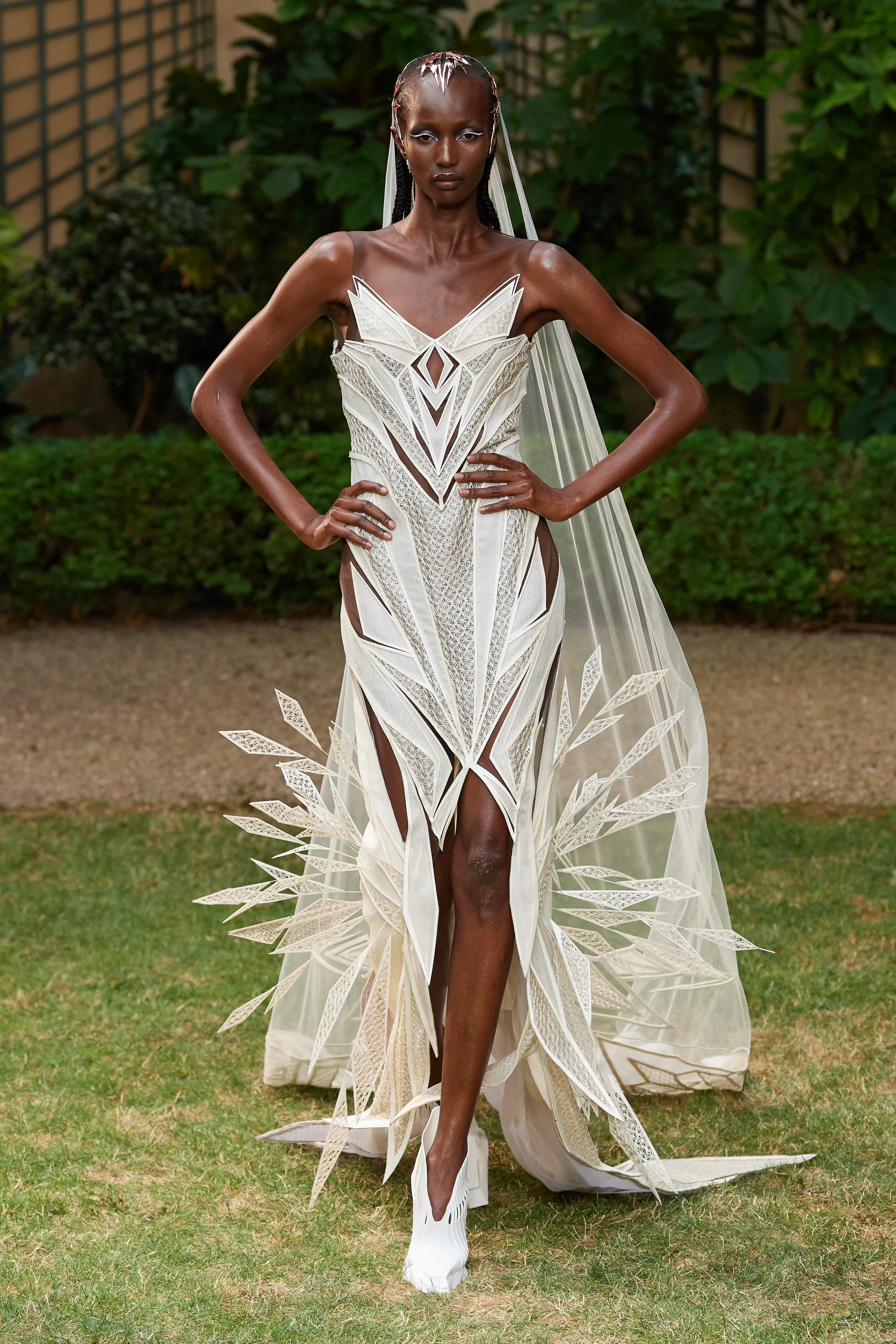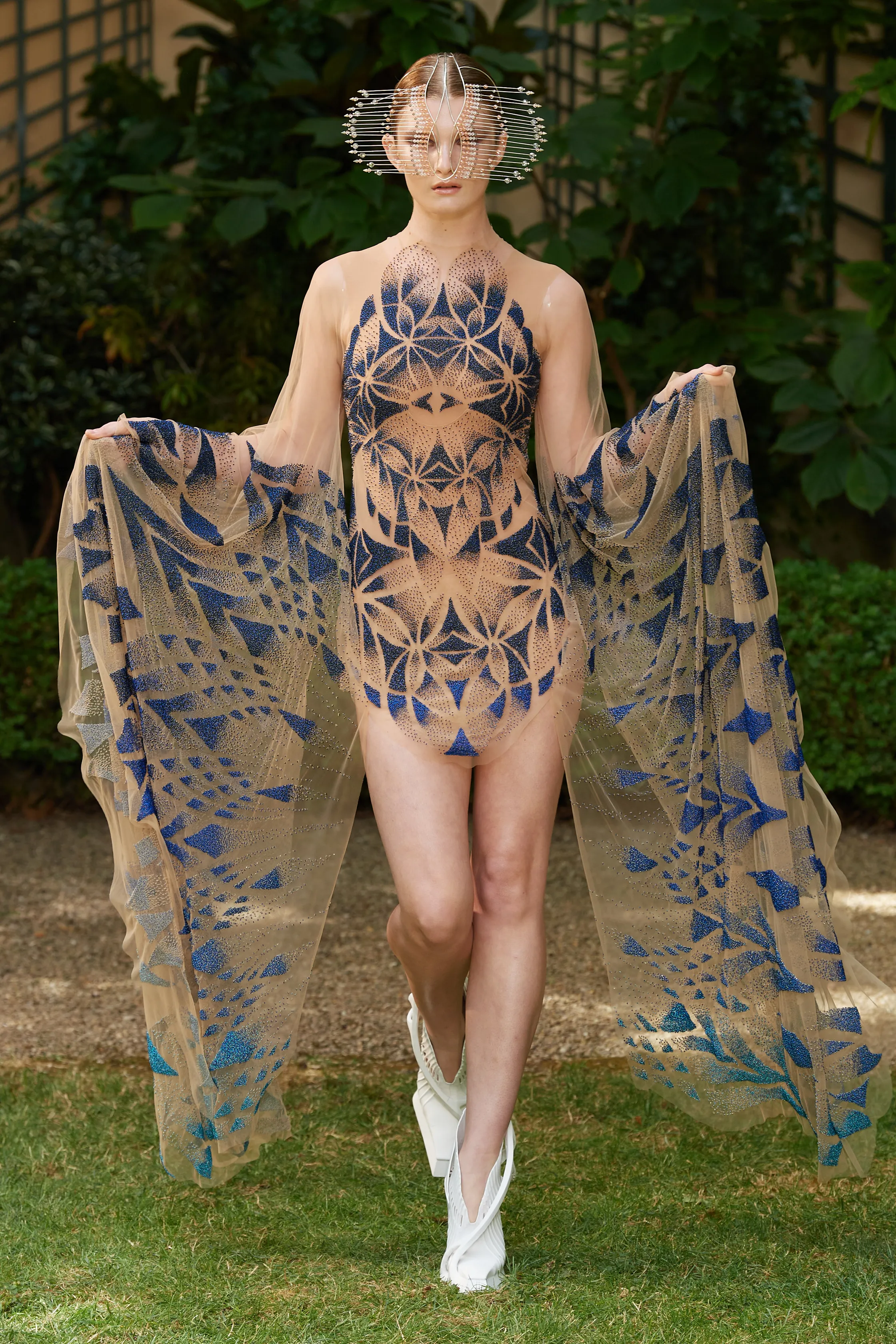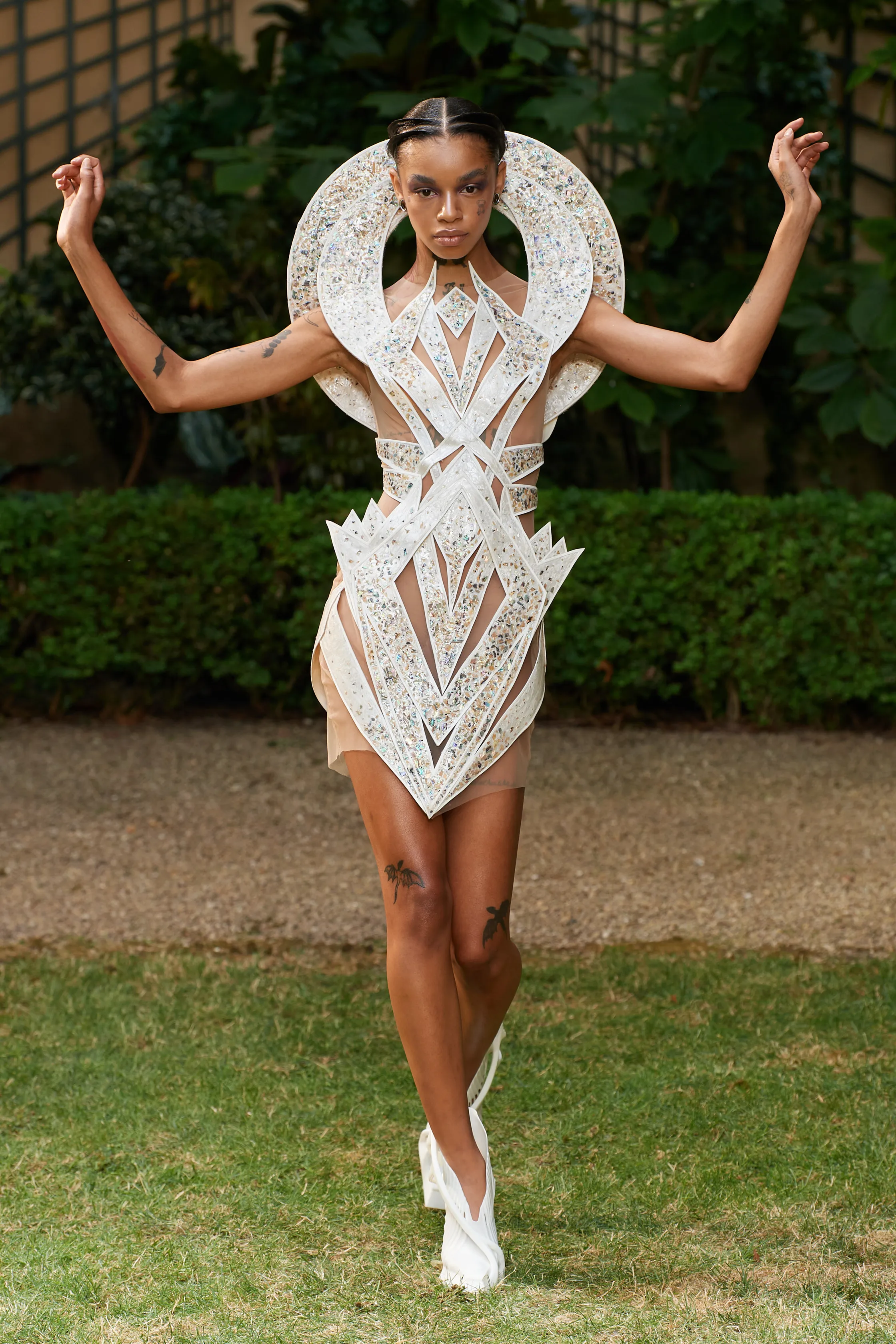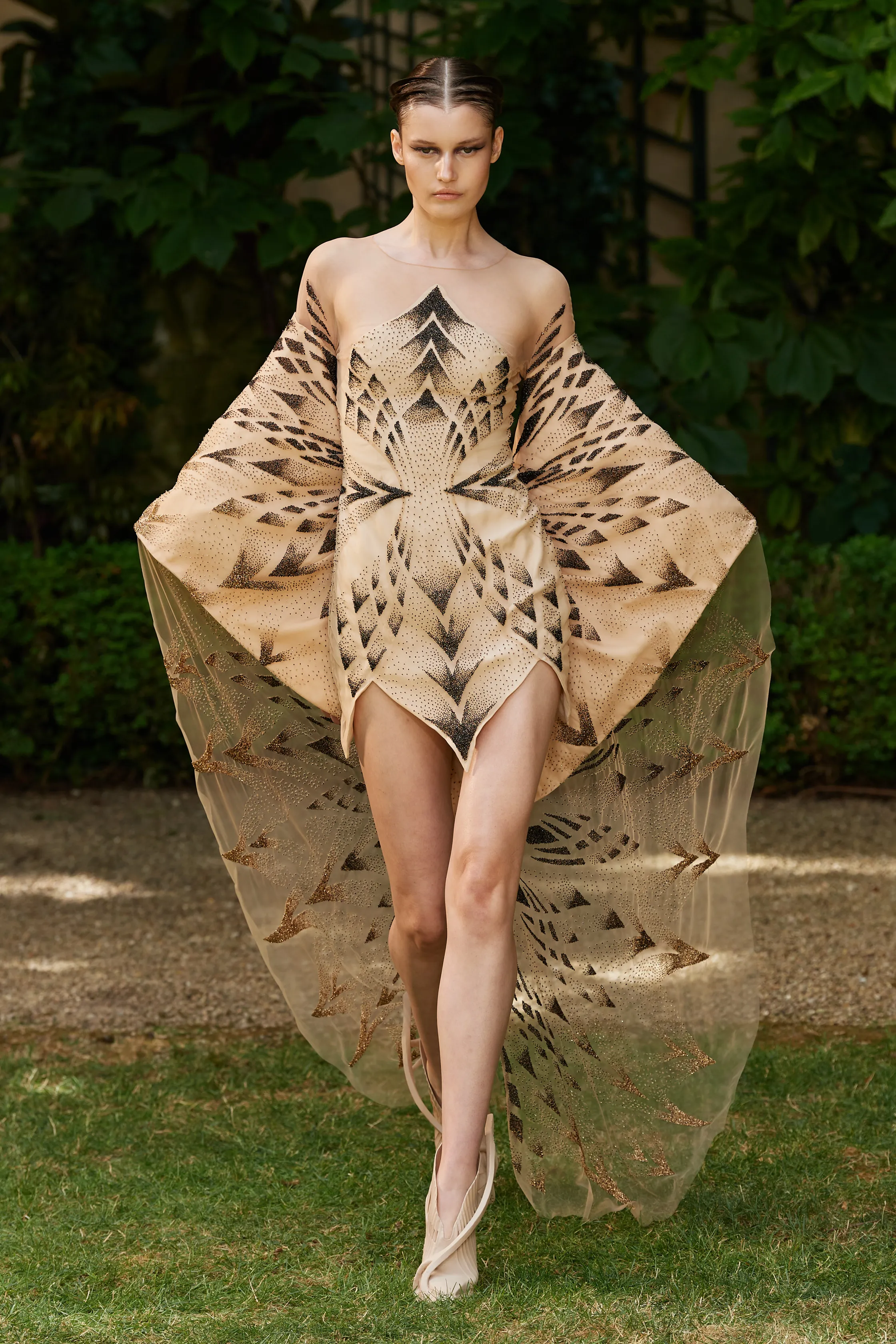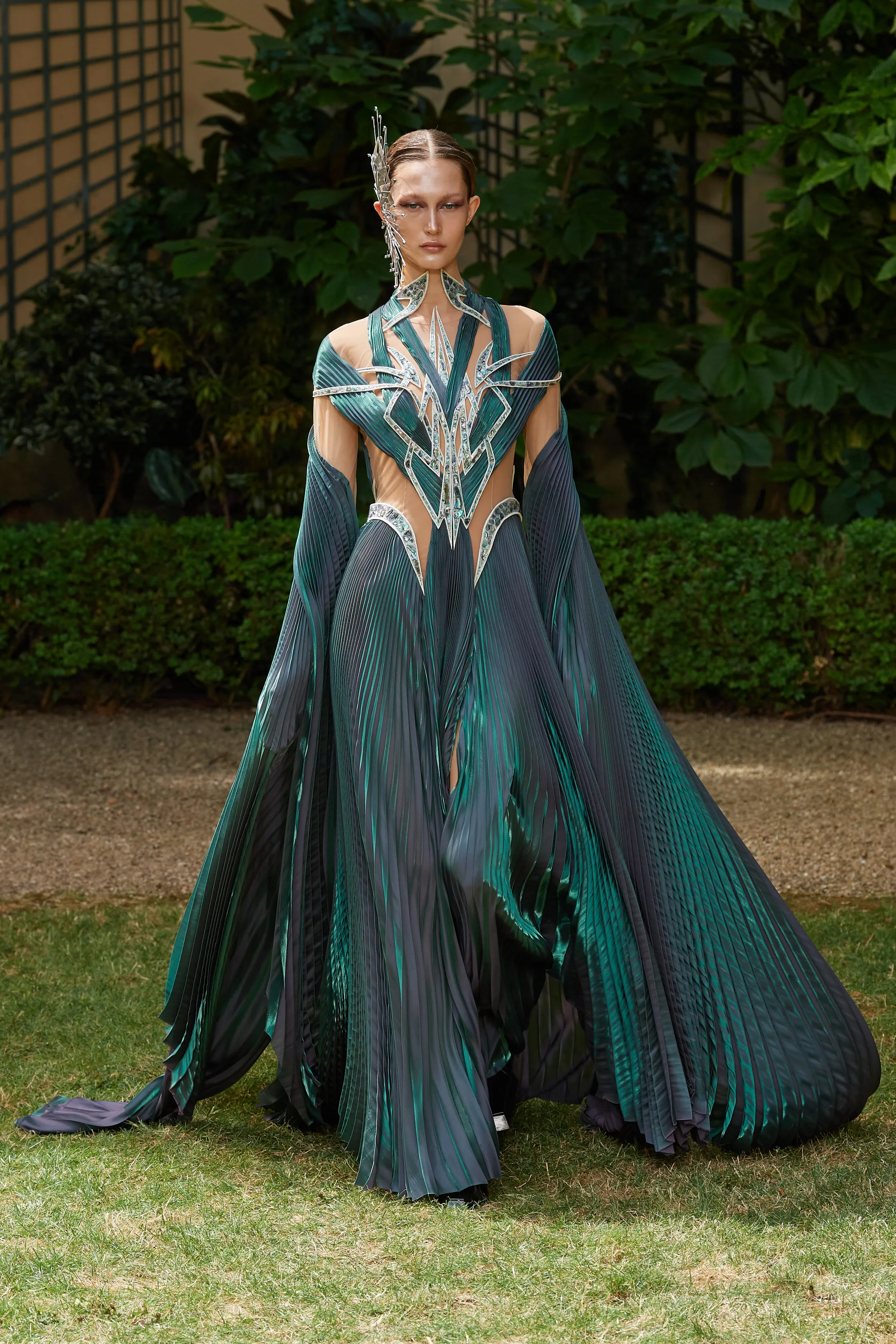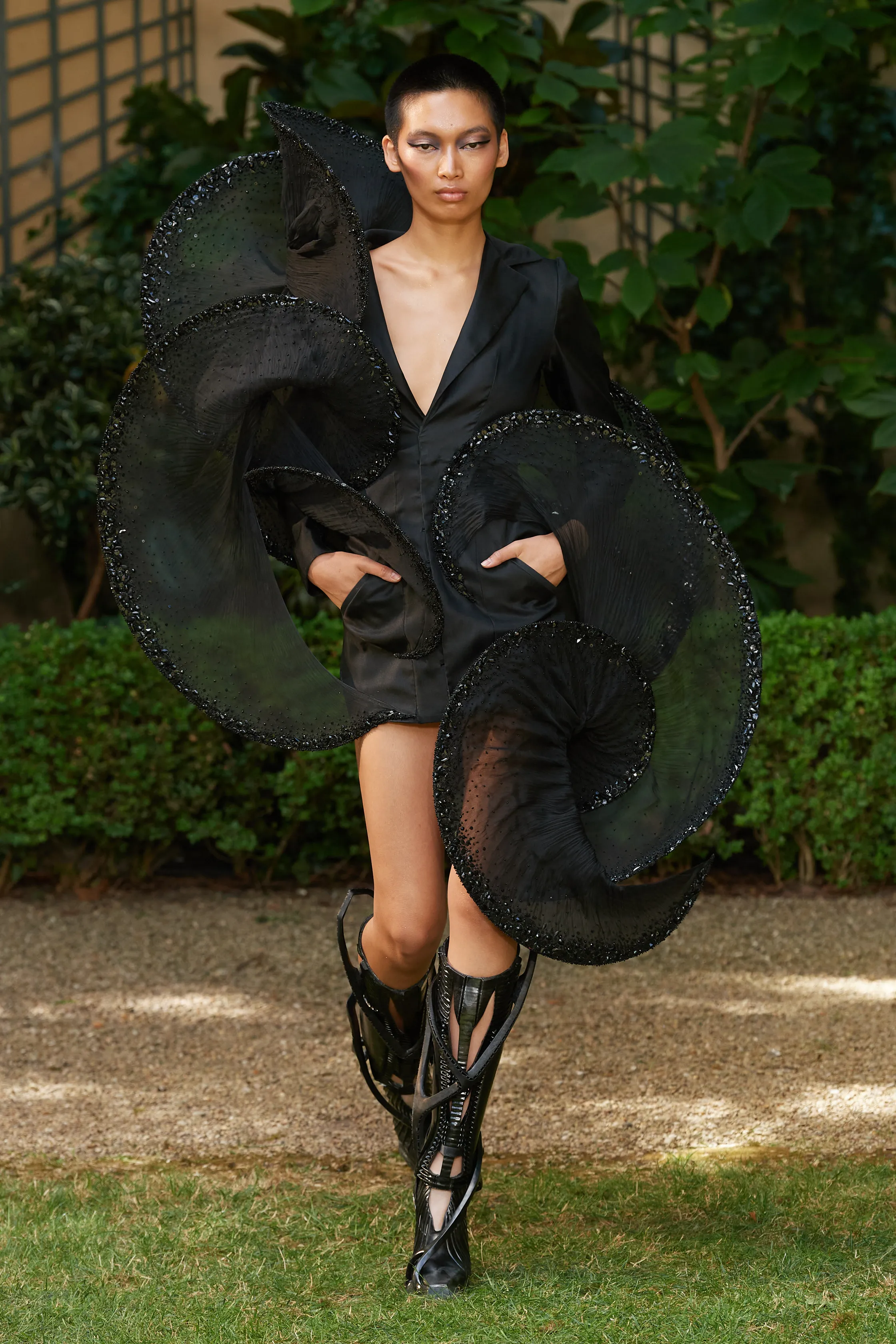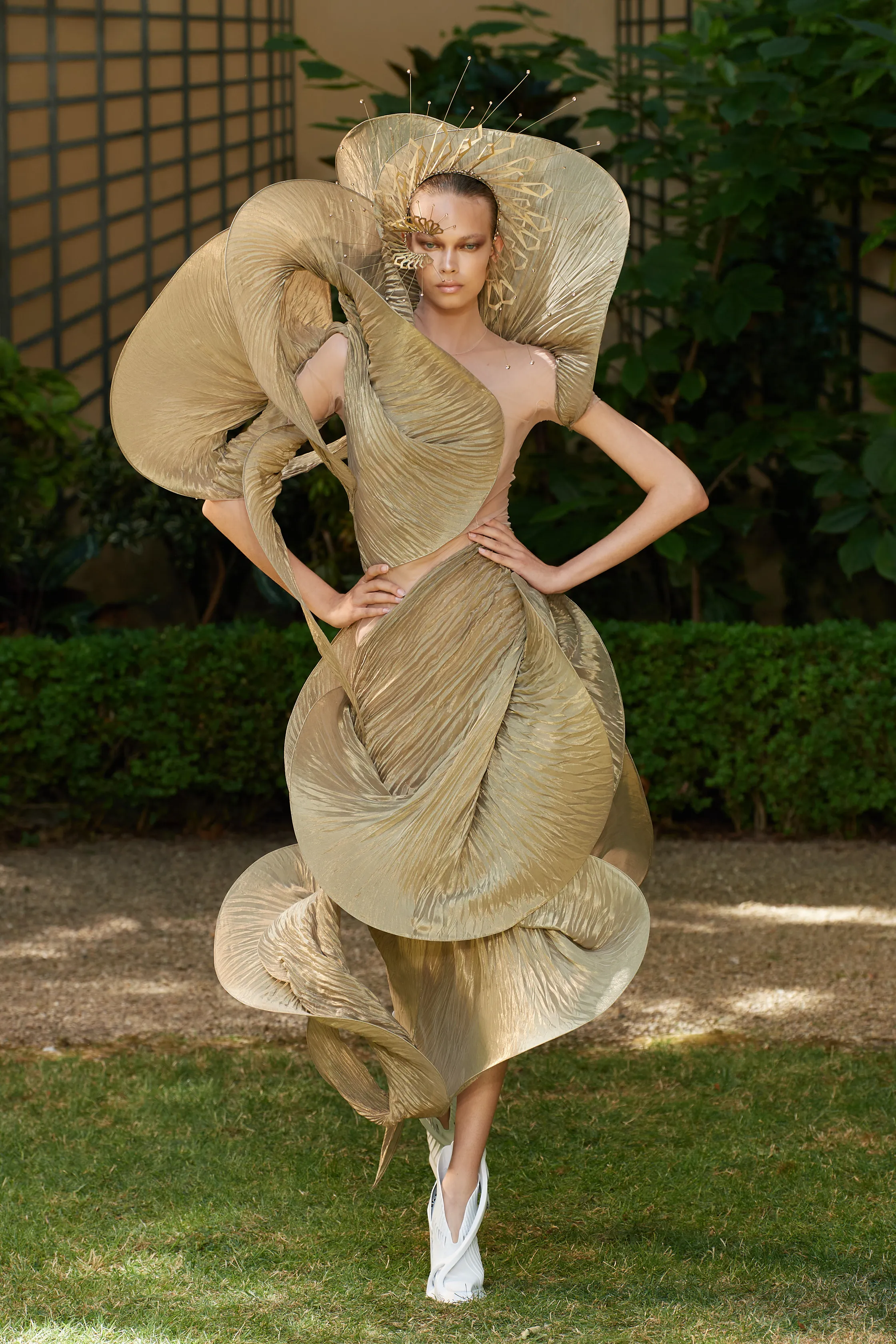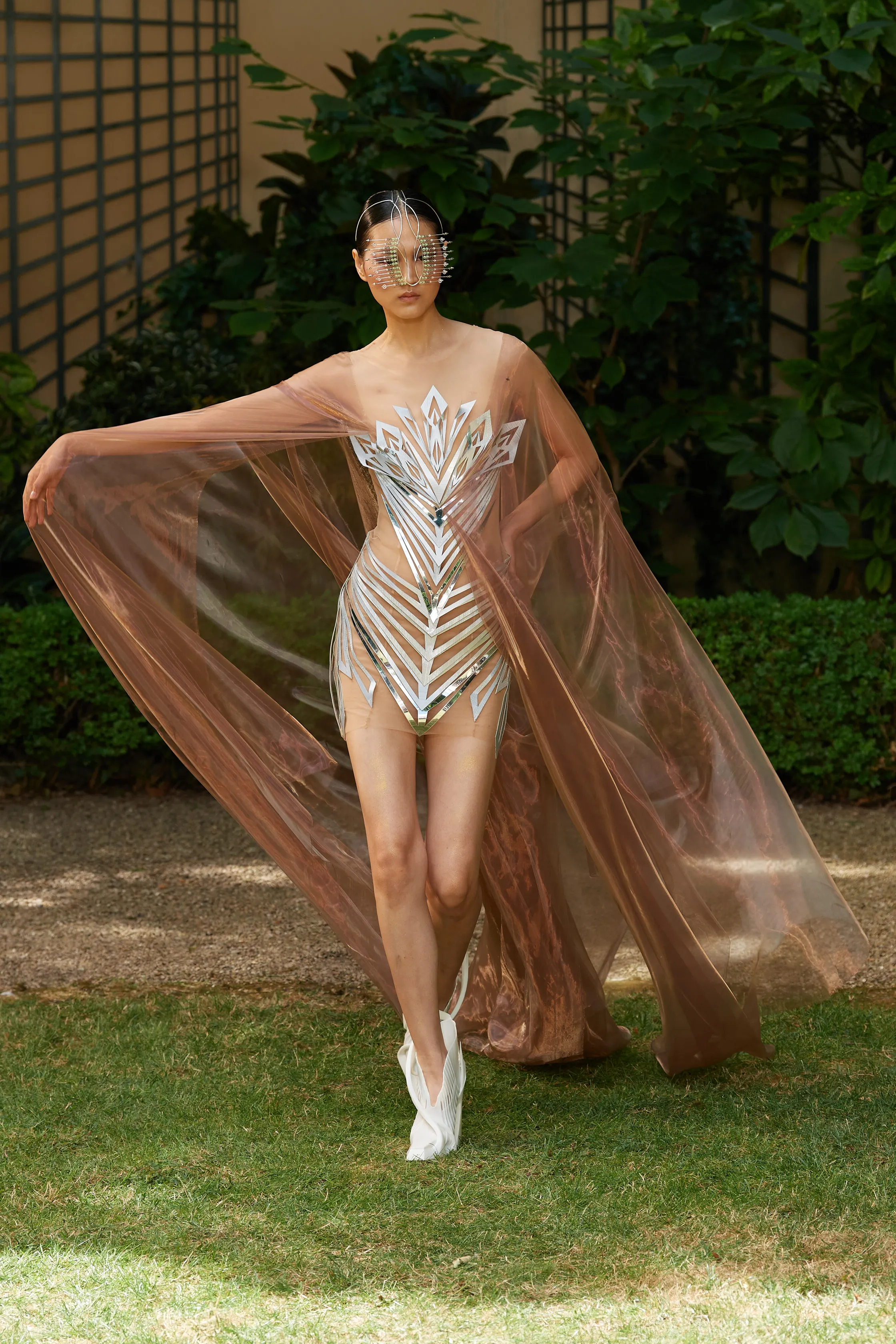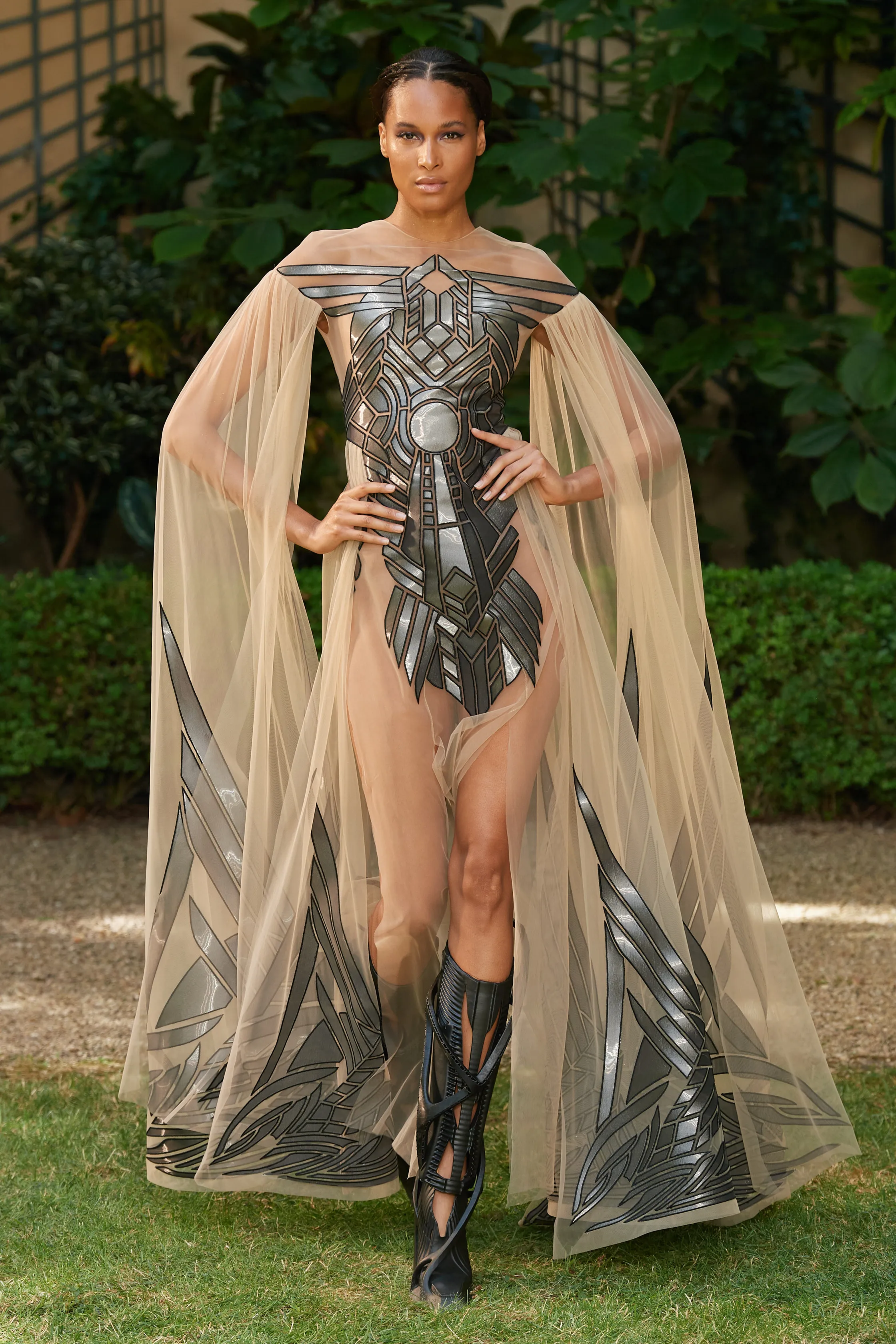
Fashion Is How We Heal Out Loud
(from my perspective — with a conscious-marketing lens)
For some of us, fashion is what therapy feels like when it’s embodied. We’re human—we need to express, to be seen, to feel witnessed. Clothes let us translate interior truth into the physical world. That isn’t vanity; it’s language. Research even has a name for it: enclothed cognition—the way what we wear shapes attention, confidence, and behavior. 
At Prophecy Brand, this is the center of our work. We build for people who understand that fashion and beauty are vehicles for self-expression—not performance for approval, but revelation of self. First-impression science backs the stakes: dress is a core input in how people infer identity, status, and even mental state within seconds. If expression is sloppy or dysregulated, the impression is too. 
Expression, regulated
My thesis is simple: luxury is no longer a logo; it’s nervous-system safety. A room that’s too bright, too loud, too watched breaks belonging. Retail and environmental psychology are clear—light, sound, scent, and pacing meaningfully influence emotion, dwell time, and willingness to buy. Translation for fashion: design spaces that calm the body so the story can land. 
What expression means in luxury now
1) Identity before inventory
The most powerful fashion is felt by the wearer first. A garment that improves breath and posture changes the story in the mirror—and the data says clothes can shift cognition and performance. Use that to honor, not manipulate.
2) Sanctuary as status
The premium is the fitting that feels like permission; the boutique that feels like an atelier; the show that feels like community, not judgment. If environment regulates the body, it also regulates choice. (It’s not “ambience”—it’s design.)
3) Context over clout
Houses are following clients into seasonal circuits—Capri, Mykonos, Saint-Tropez—via immersive resort pop-ups like Dioriviera, turning place into part of the piece. It’s not just retail; it’s ritualized proximity. 
4) Experience > object (market signal)
After a post-pandemic surge, luxury cooled in 2024–2025. The brands winning are pivoting from spectacle to meaning—tight editing, better product, and experiences buyers actually want to repeat. Bain’s market monitors call for reinvention toward value and experience to reignite growth.
5) The quiet turn
In markets like China, affluent shoppers are dialing down flash in favor of discrete, private luxury—appointments, understatement, and service designed around privacy. That shift echoes globally.
My field guide for founders & houses
Revelation → Regulation → Resonance → Legacy
• Revelation (Act I): Tell the truth of the brand—no costumes. If the “why” is fuzzy, the work will be frantic.
• Regulation (infrastructure): Engineer sensory calm (light/sound/scent/pace), consent around visibility, and privacy by design. Environments that honor the body invite better choices. 
• Resonance (Act II): Create moments people can carry: a fitting that felt like relief, a silhouette that changed posture, a show that felt like belonging.
• Legacy (Act III): Repeat the ritual and protect what made it work. That’s how memory—and community—compound.
Practical moves (fashion & beauty)
• Reduce choice to increase trust. Curate down to three right silhouettes; clarity regulates.
• Codify ritual. Name the sensory beats (arrival → light → tempo → touch) and repeat them across shows, pop-ups, counters, and content. Consistency lowers cognitive load. 
• Design for consent. Offer no-photo fittings; state what’s captured, what isn’t; build private appointment lanes as a feature.
• Write for the body. Product pages and lookbooks should describe feel (weight, drape, breathability, reactivity) as precisely as visuals.
• Measure resonance, not just reach. Track dwell time in spaces, private-appointment rebooks, reinvitations, and referral rate from small rooms—not only impressions.
Where fashion culture is heading (and how to meet it)
Seasonal “Euro-summer” circuits and desert/wellness winters aren’t just backdrops; they’re stages where identity is tried on in context. That’s why pop-ups that feel like temporary ateliers outperform generic flagships: they meet expression where life is actually being lived. Dior’s multi-city Dioriviera program is a textbook case—coastline capsules that merge product, place, and mood into one experience. 
At the market level, volatility is forcing a quality reset. When the sector stumbles, the fix isn’t louder campaigns; it’s better rooms and better product—work that respects the nervous system and earns repeat presence. The data says reinvention is required; I’d add: reinvention toward calm.
A spiritual note
Luxury, to me, is remembrance—not of status, but of self. The clothes, pigments, textures… they’re instruments. The music is what happens when the body relaxes enough to let you hear yourself again. That’s why the room matters. That’s why I build brands around calm, consent, and care.
With resonance.
Joseph
REVELATION. RESONANCE. LEGACY.
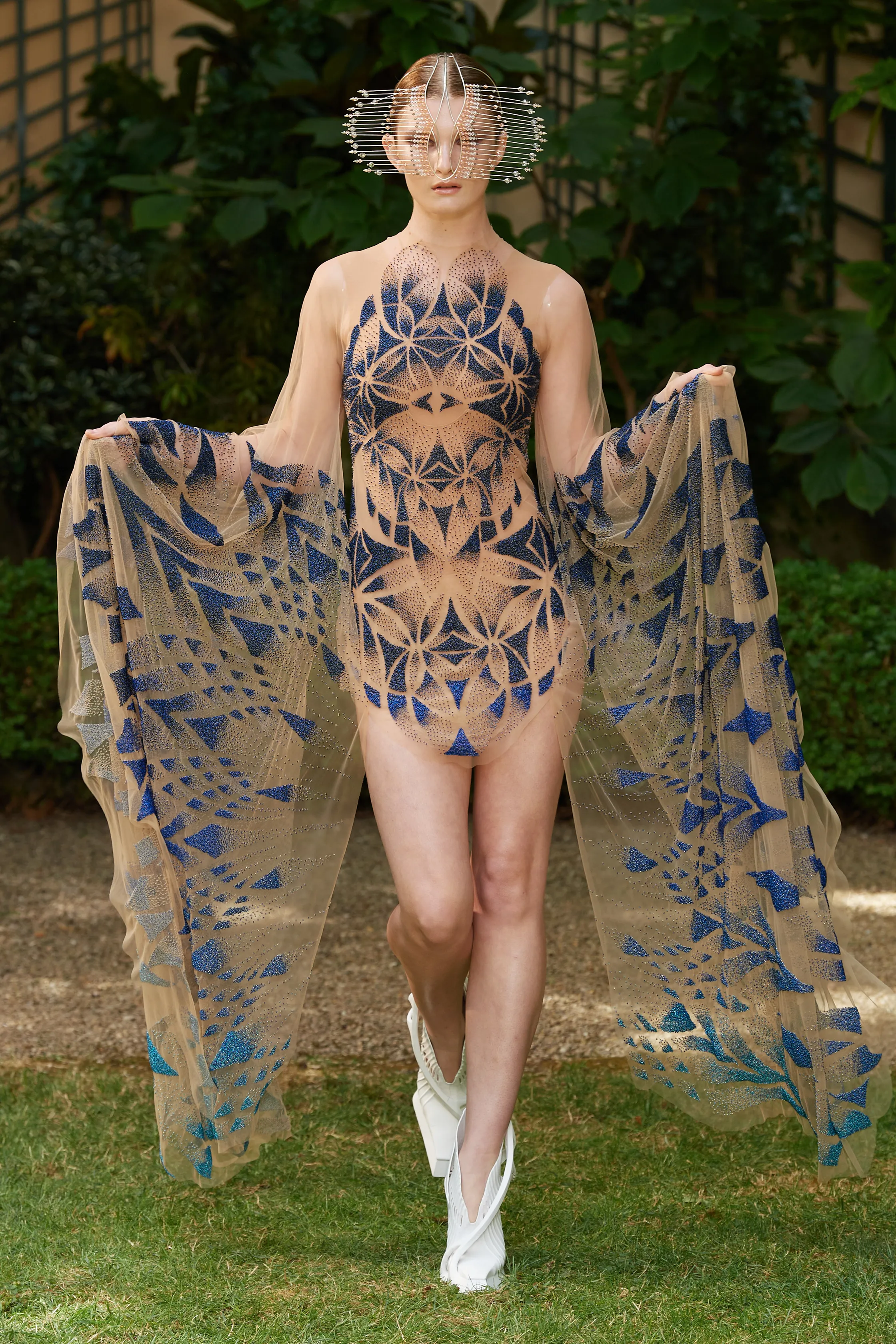
Where do these images land in you—calm, ache, or calling?