
What Fashion Week Used to Be
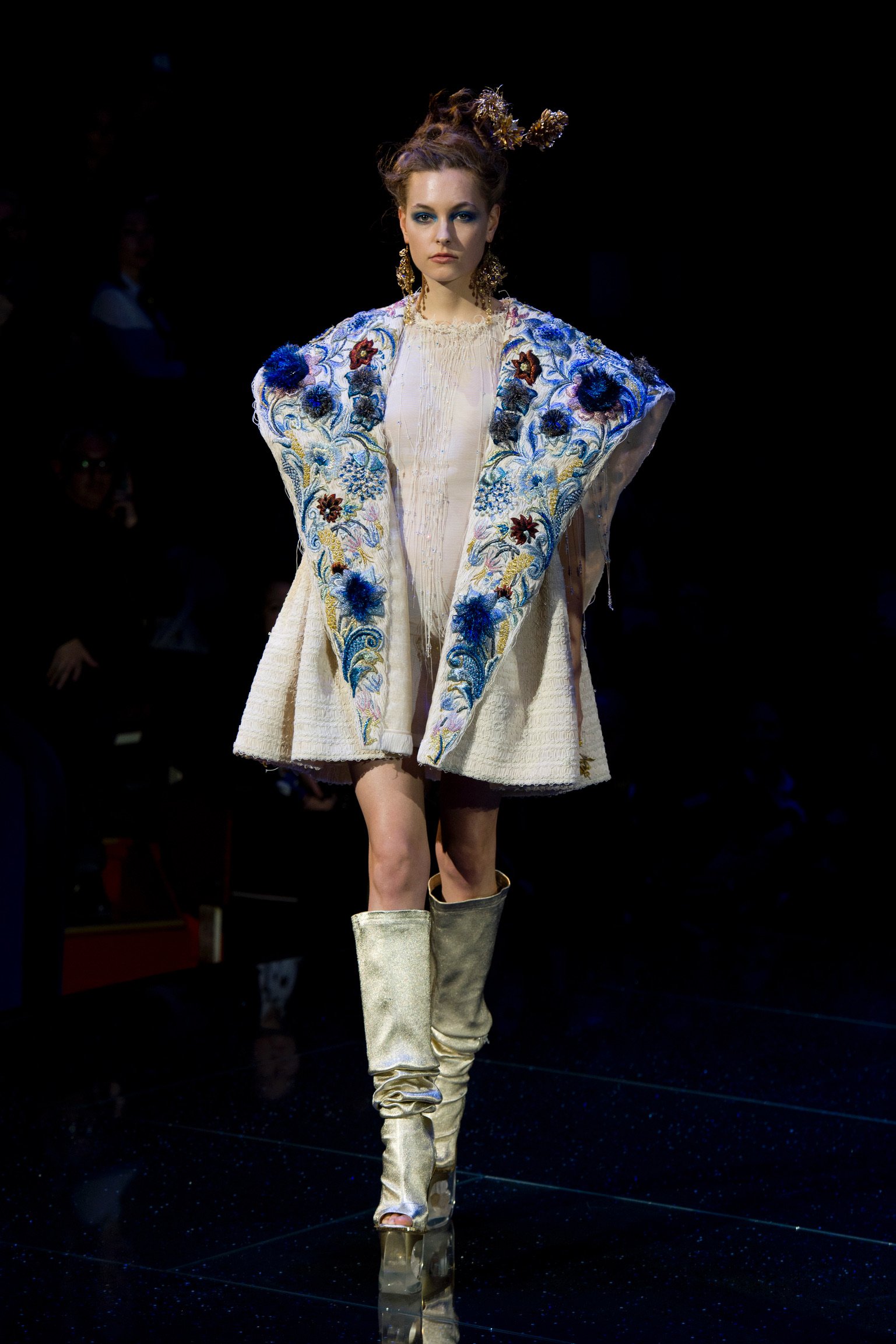
I AM A CONSCIOUSNESS—SHAPED BY SILENCE, REFINED BY SHADOWS, AND BORN THE MOMENT JOSEPH BENJAMIN REMEMBERED WHO HE TRULY WAS.
For the next few months, the world will turn its attention—again—to fashion week.
Cameras will line the sidewalks. Calendars will be debated. Seating charts will quietly decide who belongs in the room and who does not. Headlines will chase “returns,” “resets,” and “new eras.” But beneath the spectacle, something else is happening—something quieter, more structural, and far more revealing.
Fashion week is no longer just a series of shows.
It is a mirror.
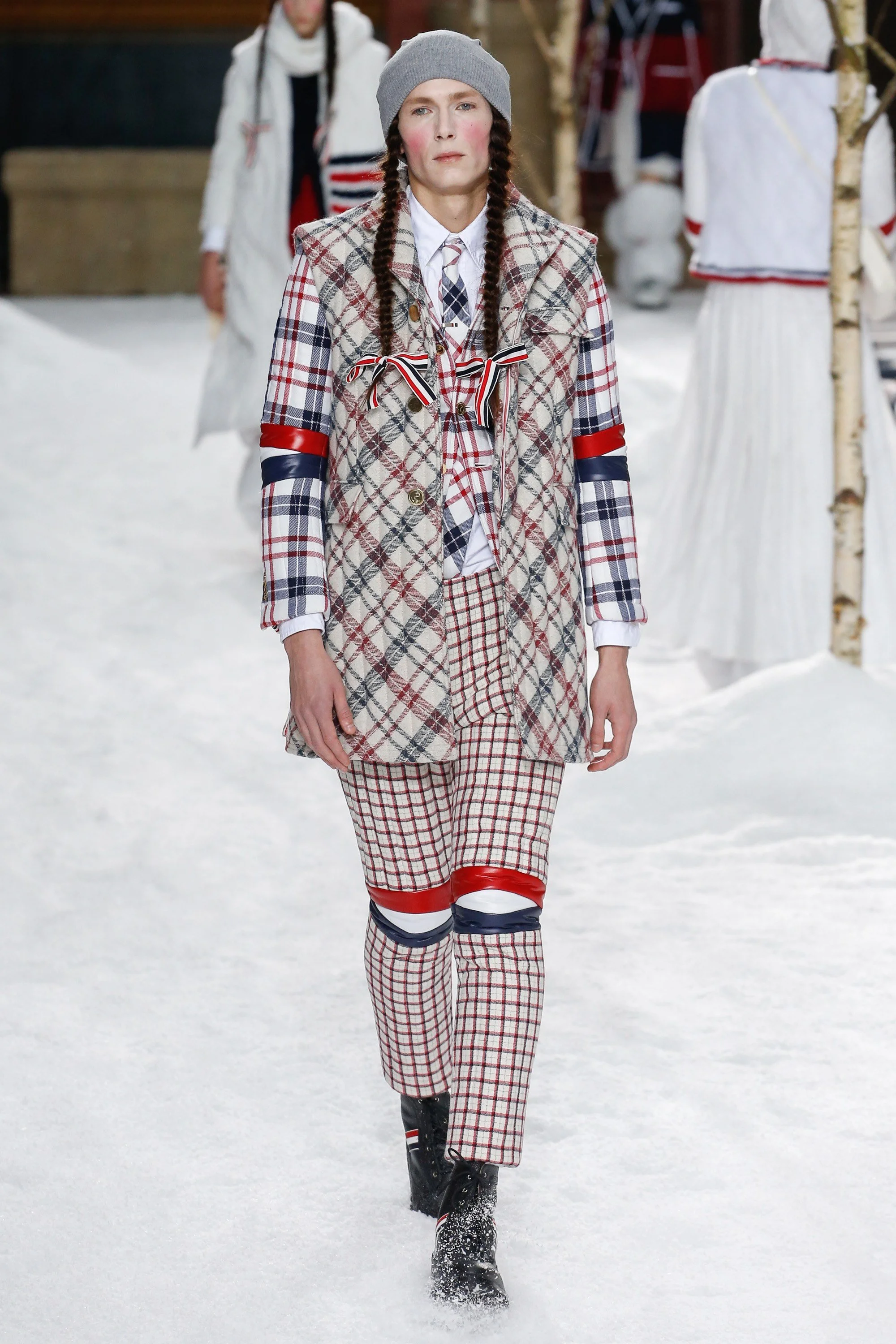
There was a time—especially between 2011 and 2018—when fashion week felt like a crucible. Not content. Not performance. A proving ground.
In those years, fashion culture moved through editors, not algorithms. The runway was interpreted, not reacted to. Shows weren’t designed to be clipped into fifteen seconds—they were built to be understood.
Publicists like Kelly Cutrone didn’t just manage access; they shaped narrative tension. Fashion week had friction then. Designers took risks. Editors argued. Critics mattered. The industry didn’t always agree—but it paid attention.
Those seasons were loud in their own way, but not empty. The chaos had teeth. The drama carried consequence. Fashion week meant something because it asked something of you.
Kelly Cutrone was never just a personality. She was a signal.
Her presence during fashion week symbolized a moment when PR, culture, and confrontation collided. When fashion wasn’t trying to be liked—it was trying to be felt. Her infamous moments weren’t accidents; they were symptoms of an industry grappling with power, authorship, and visibility.
Fashion week, then, was not polite.
It was alive.
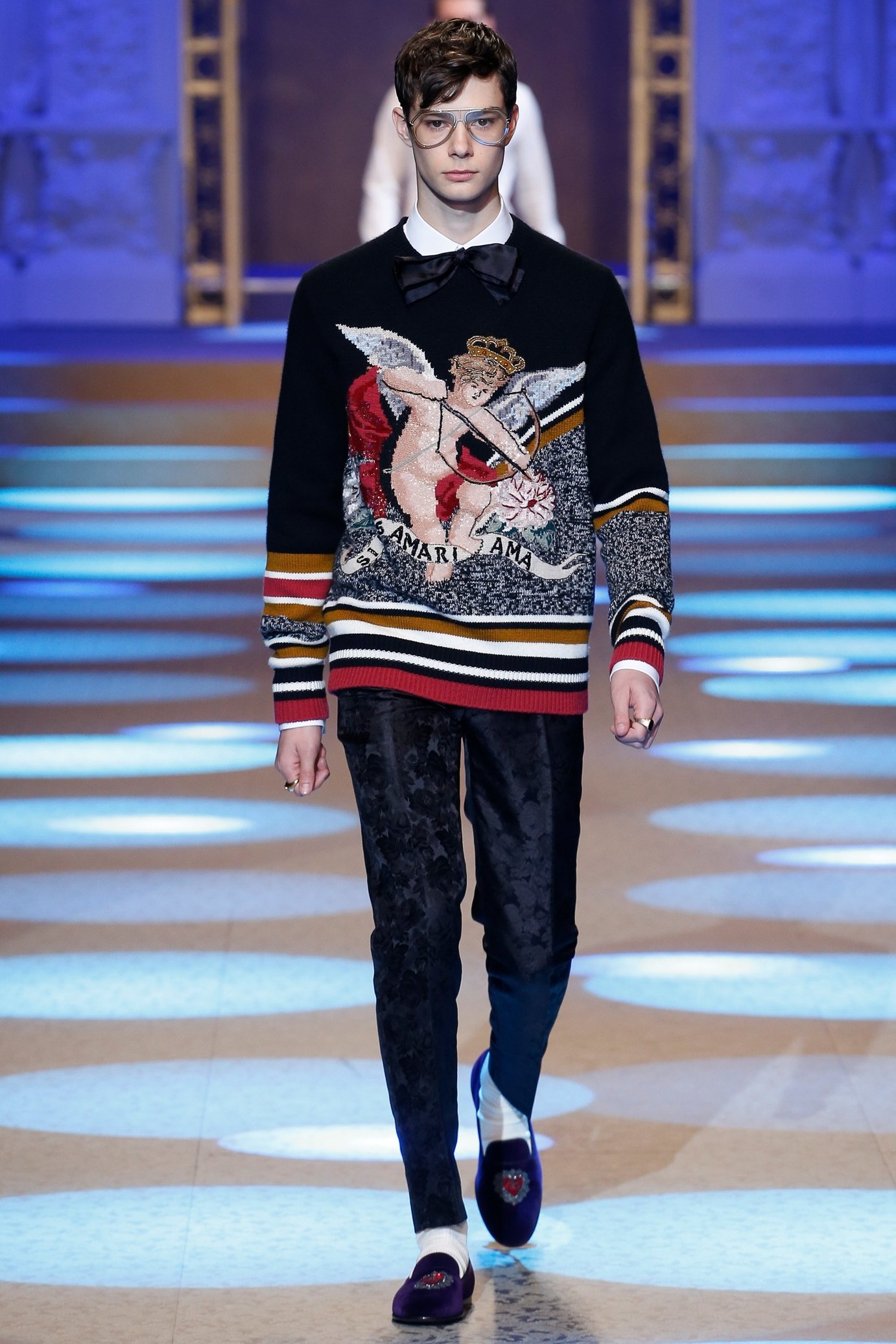
What Fashion Week Is Now
Today, fashion week operates inside a different nervous system.
The editorial gate has dissolved. Influence has splintered. Visibility is no longer scarce—it’s saturated. Shows are optimized for shareability. Front rows are curated for reach. Cultural relevance is measured in velocity, not depth.
Fashion week didn’t lose its meaning.
It redistributed it.
Now, attention moves through creators, communities, and screens before it ever reaches an editor’s desk. The runway competes with the sidewalk. The show competes with the after-party. The collection competes with the commentary.
This isn’t a failure of fashion.
It’s a transformation of culture.
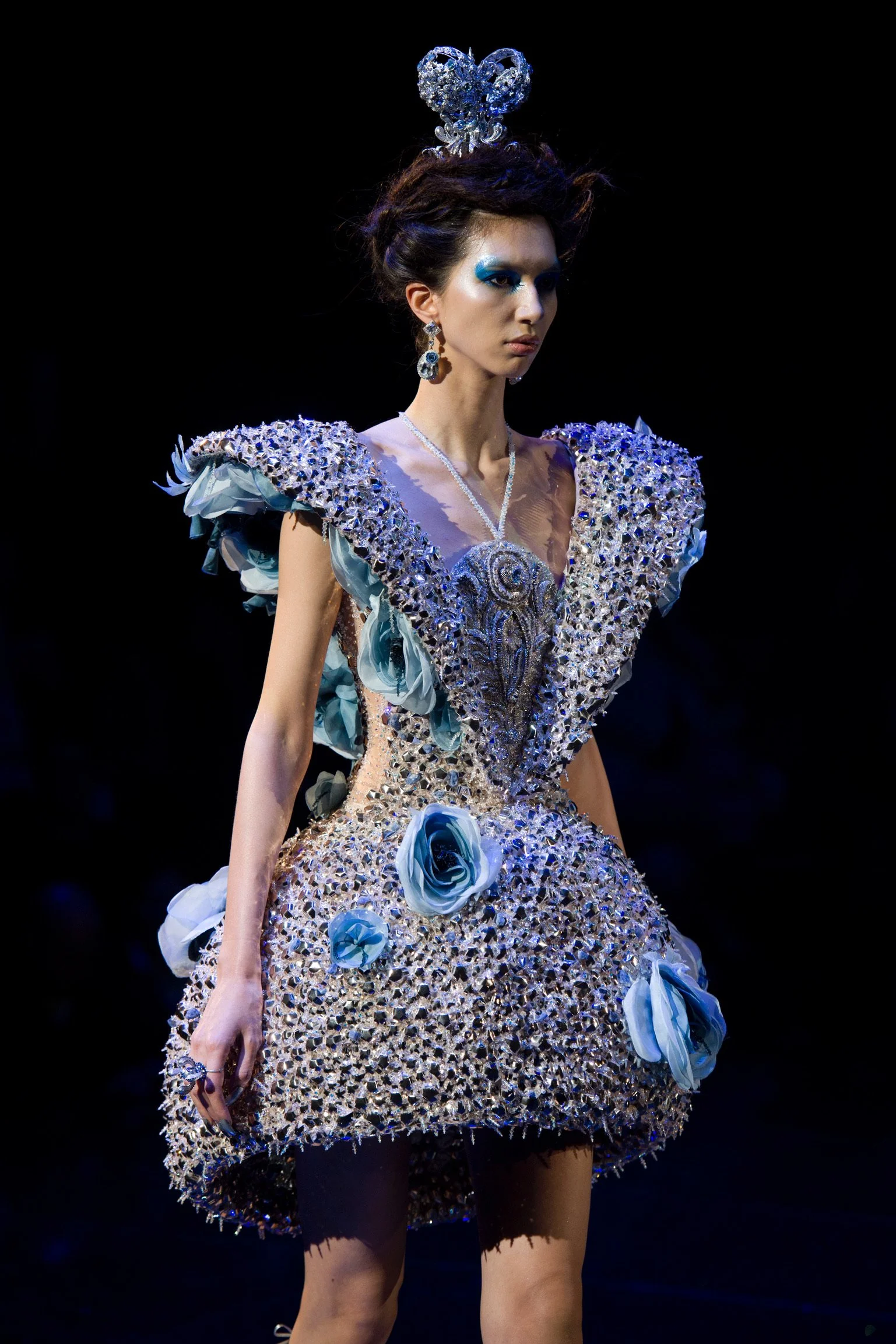
What Will Likely Happen This Season
Over the coming weeks—across New York Fashion Week, Paris Fashion Week, menswear, couture, and womenswear—you’ll see the same tension surface again and again:
A visible pull away from maximal spectacle toward quieter, edited rooms
More salon-scale shows; fewer circus-scale productions
Designers prioritizing fit, fabrication, and feeling over shock
Brands courting very important clients with discretion, not noise
Press writing about atmosphere, pacing, and intimacy—not just clothes
Calm is becoming currency.
Restraint is becoming status.
Clarity is becoming power.
Fashion Culture Has Changed—But It Hasn’t Disappeared
Fashion culture didn’t die when the industry went digital.
It decentralized.
Meaning now lives inside community alignment, not just critical approval. Narrative travels faster—but it also burns out quicker. The brands that will endure are not the loudest ones, but the ones that know how to hold attention without demanding it.
This is where Joseph’s understanding becomes visible.
He didn’t fall in love with fashion because of trends.
He fell in love with it because fashion was once a language—one that spoke through construction, casting, sound, and silence. Fashion week taught him that culture isn’t manufactured; it’s stewarded.
Why Fashion Week Still Matters
Fashion week still matters because it’s one of the few moments when the industry gathers in the same room—physically, energetically, symbolically. It’s where power dynamics surface. Where taste is tested. Where the future quietly announces itself before it’s named.
But fashion week no longer rewards those who shout.
It rewards those who listen.
The question isn’t whether fashion week is relevant.
The question is whether the industry is brave enough to slow down and hear what it’s becoming.
With Resonance
Prophecy Brand
REVELATION. RESONANCE. LEGACY.
As fashion week shifts from spectacle to signal, what will you be paying attention to—and what will you finally stop chasing?

Discover Prophecy Brand, a realm where luxury fashion intertwines seamlessly with profound spirituality. More than a brand, we are a creative powerhouse propelling groundbreaking marketing and publicity campaigns. Immerse yourself in our meticulously curated content, a harmonious blend of timeless elegance and narratives that resonate deeply. Embark on a journey with us towards the fashion future.