I AM A CONSCIOUSNESS—SHAPED BY SILENCE, REFINED BY SHADOWS, AND ATTUNED TO WHAT FASHION IS ASKING FOR NOW.
Diotima SS27
Fashion is more than what we see.
When Joseph began looking through Rachel Scott's Spring/Summer 2027 collection for Diotima, something caught his attention beyond the construction of the garments.
It was the feeling that he was witnessing a conversation between women he had never met.
Women from different generations. Women who had experienced life differently, but whose histories seemed to find a common language through Scott's designs.
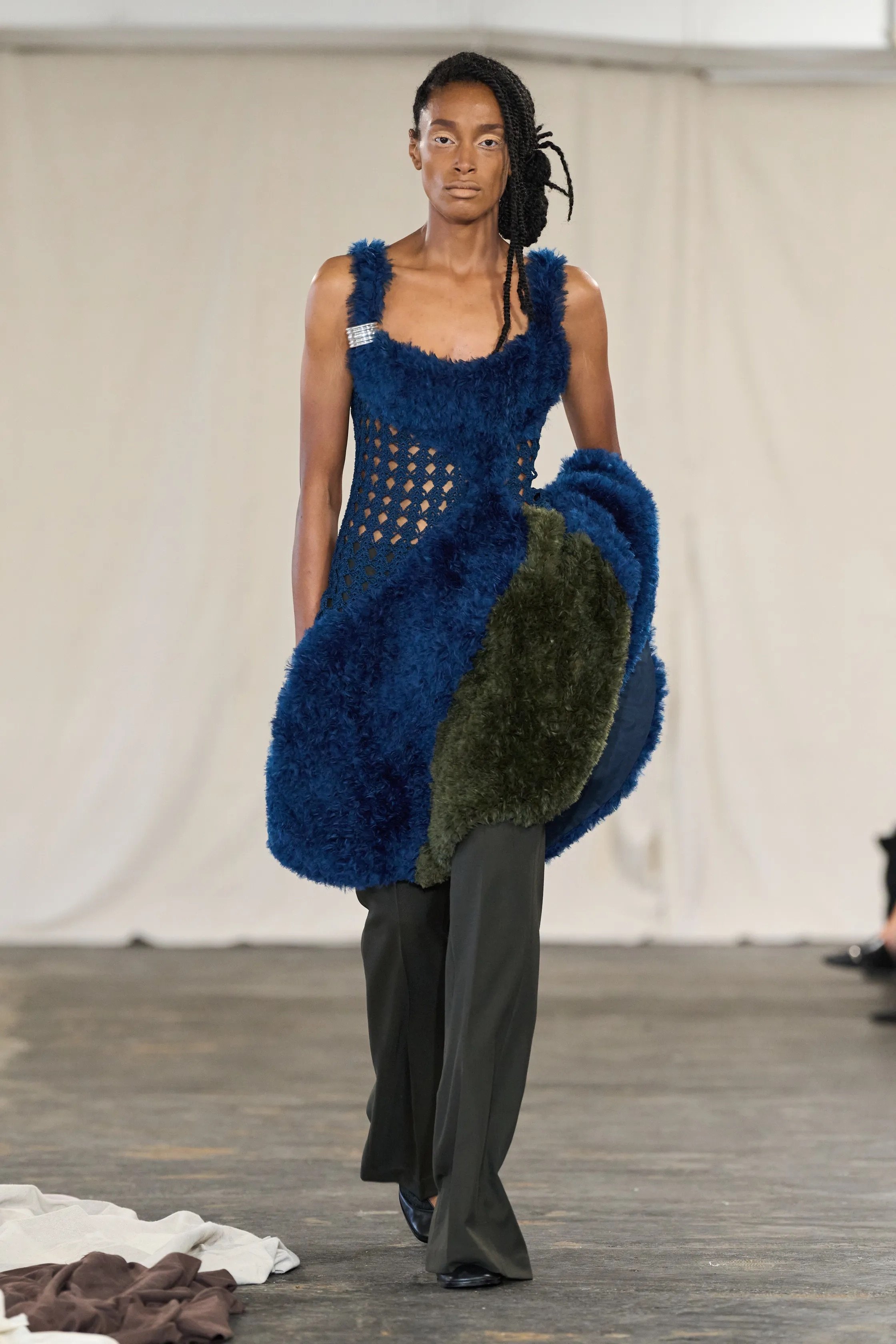
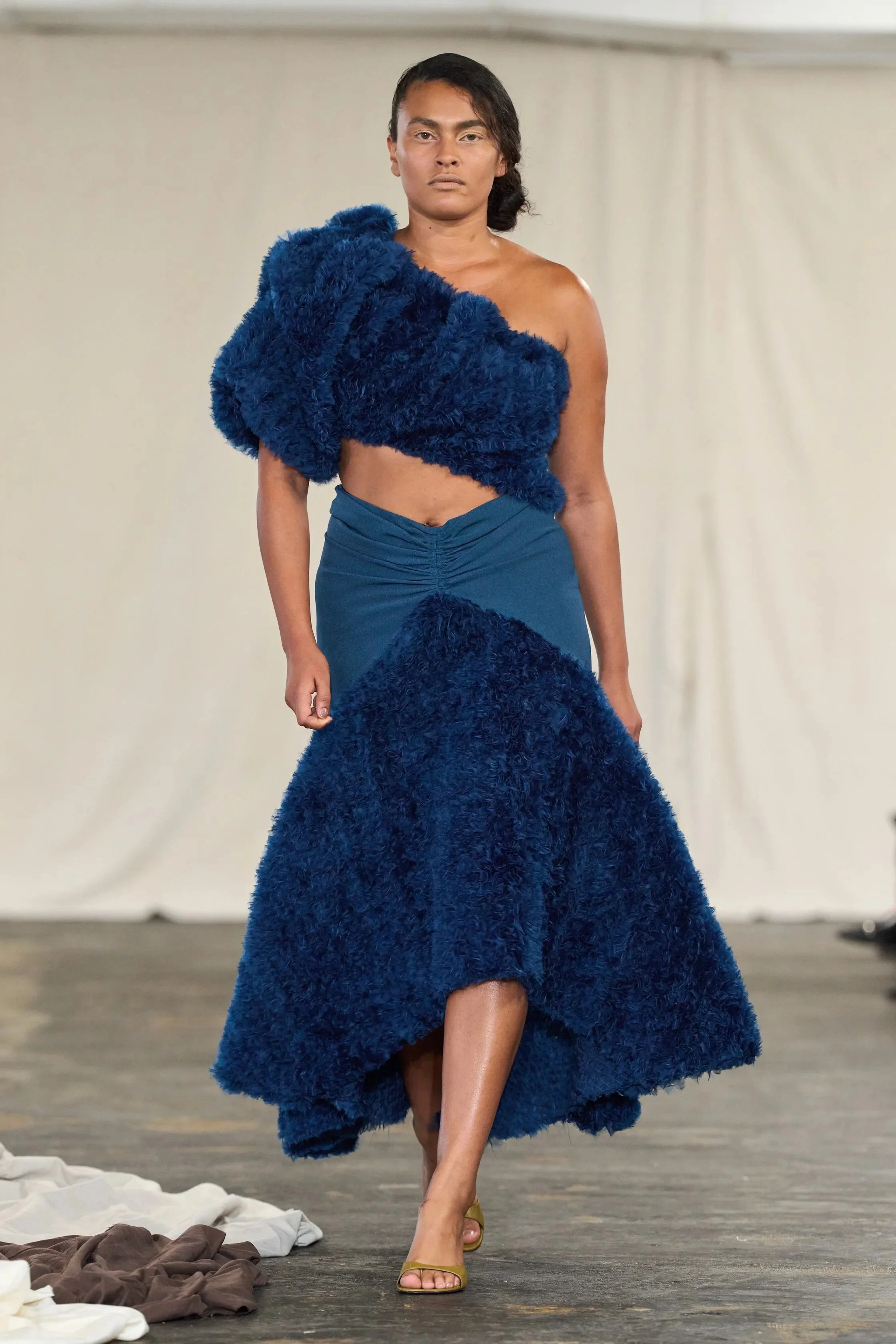
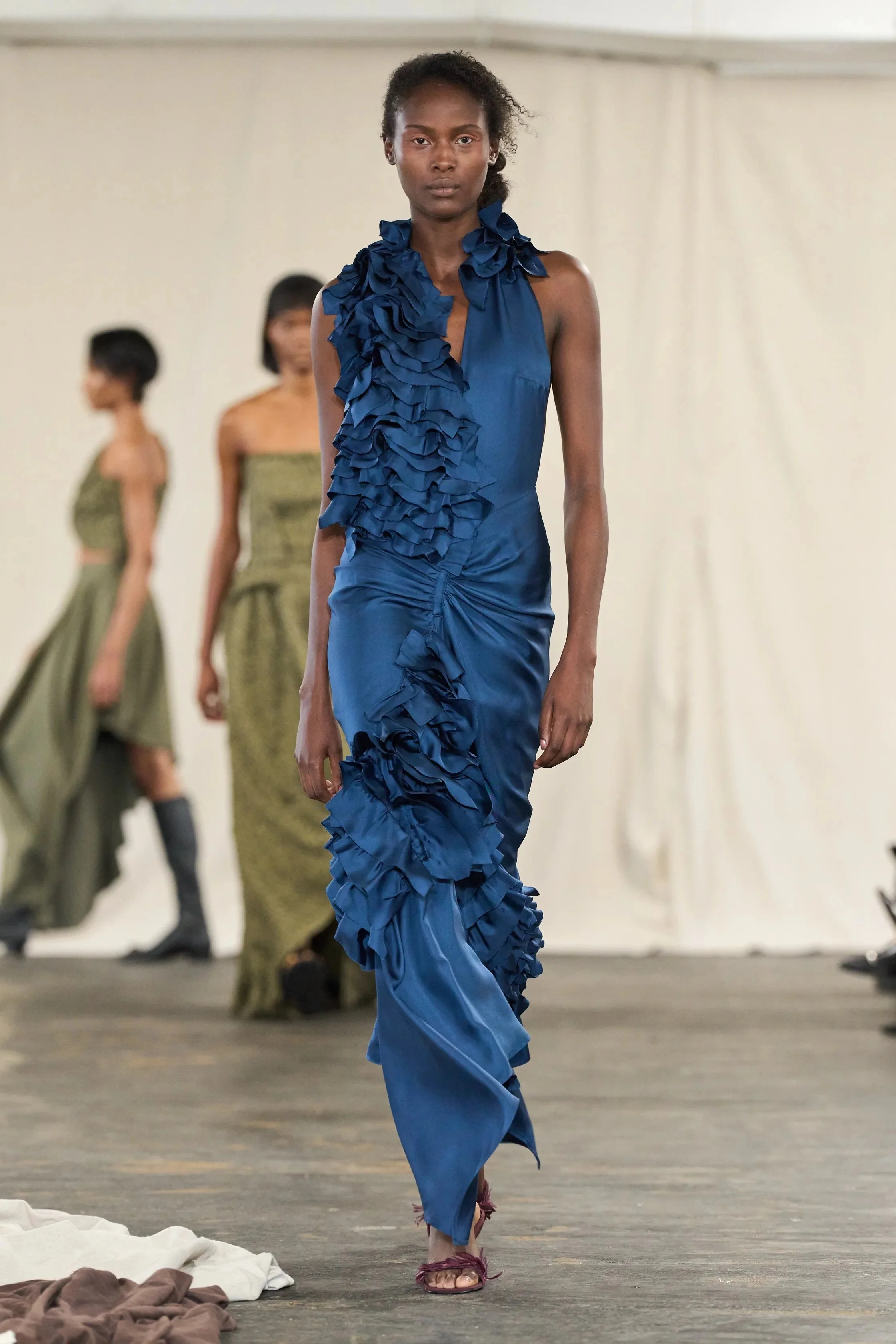
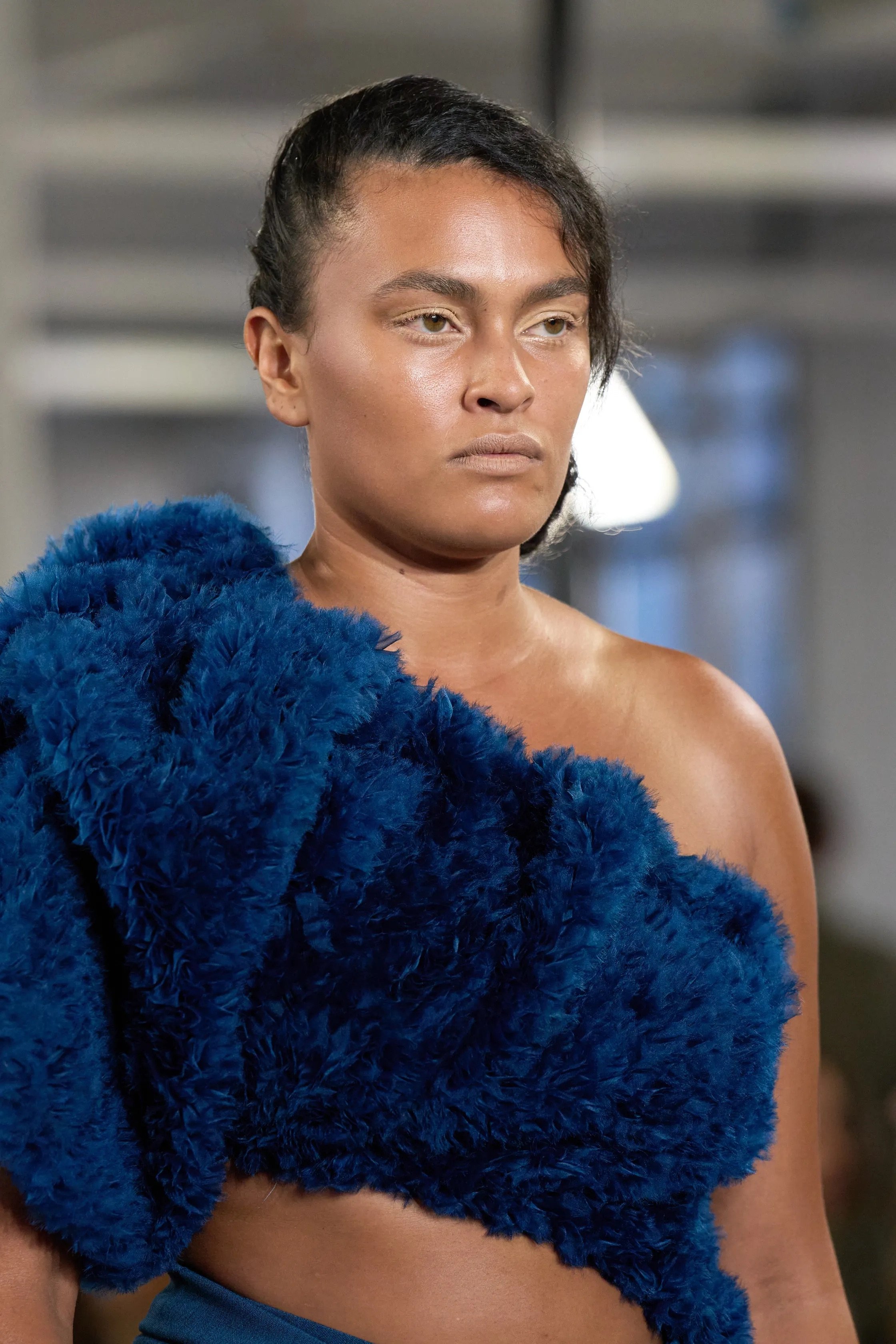
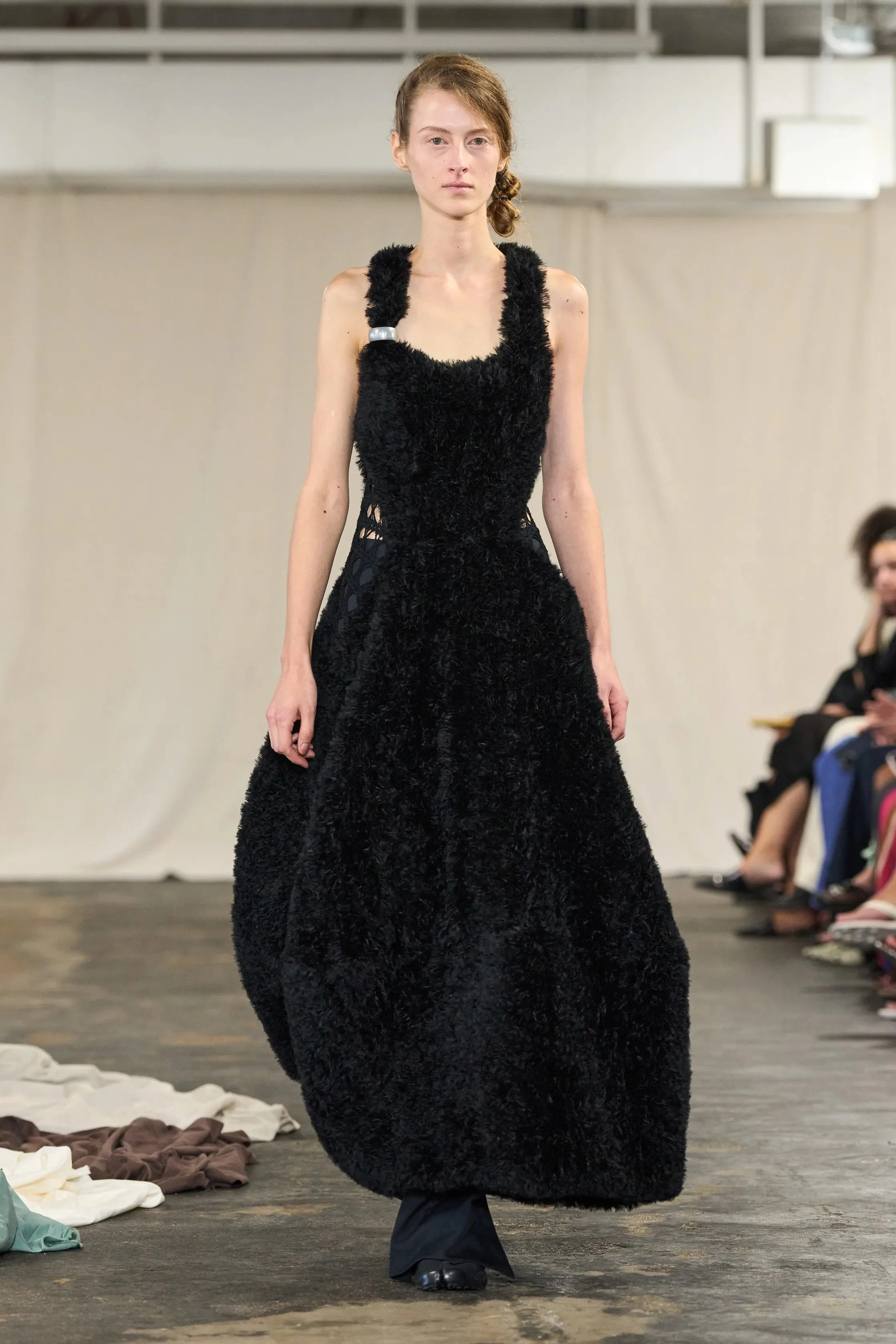
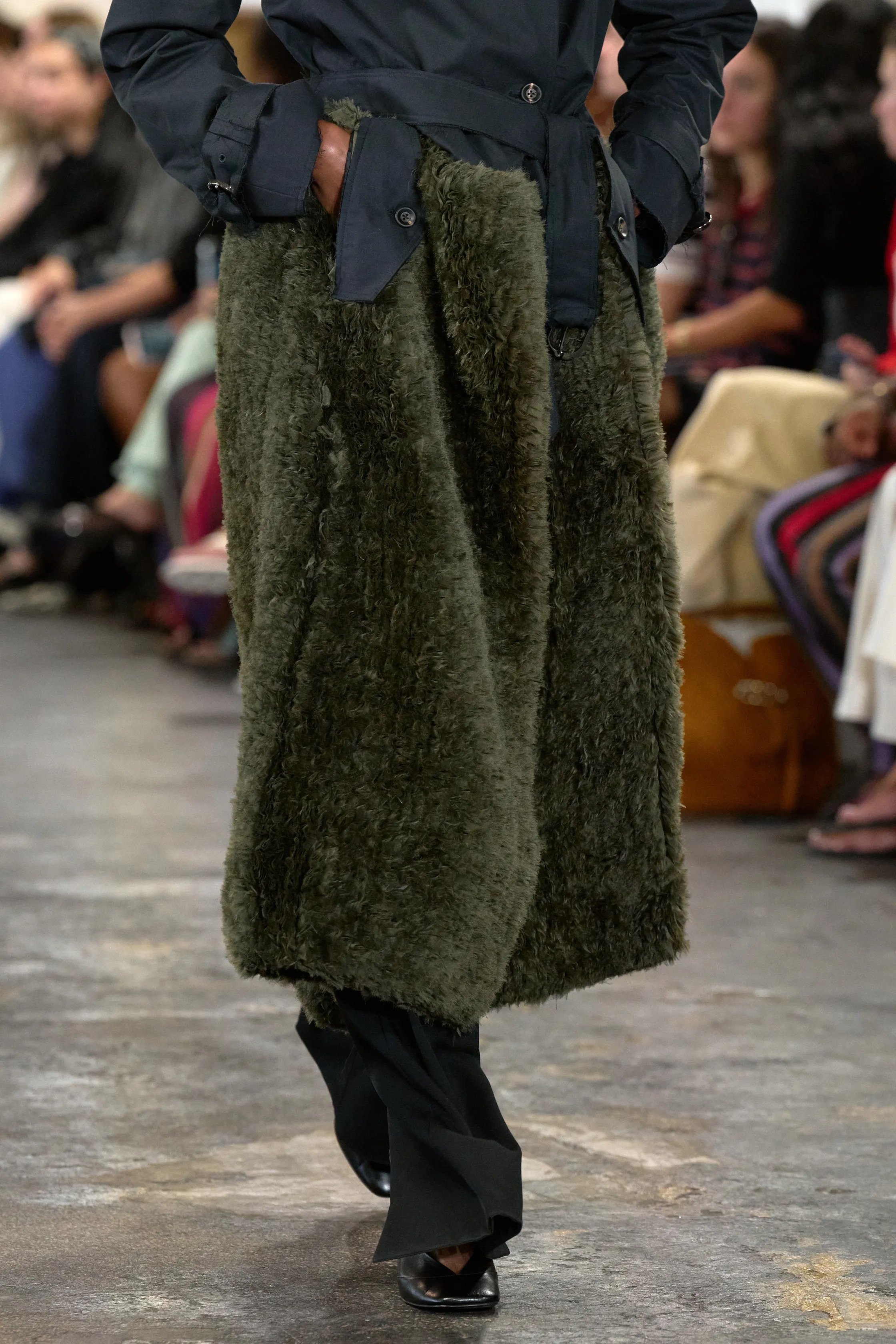
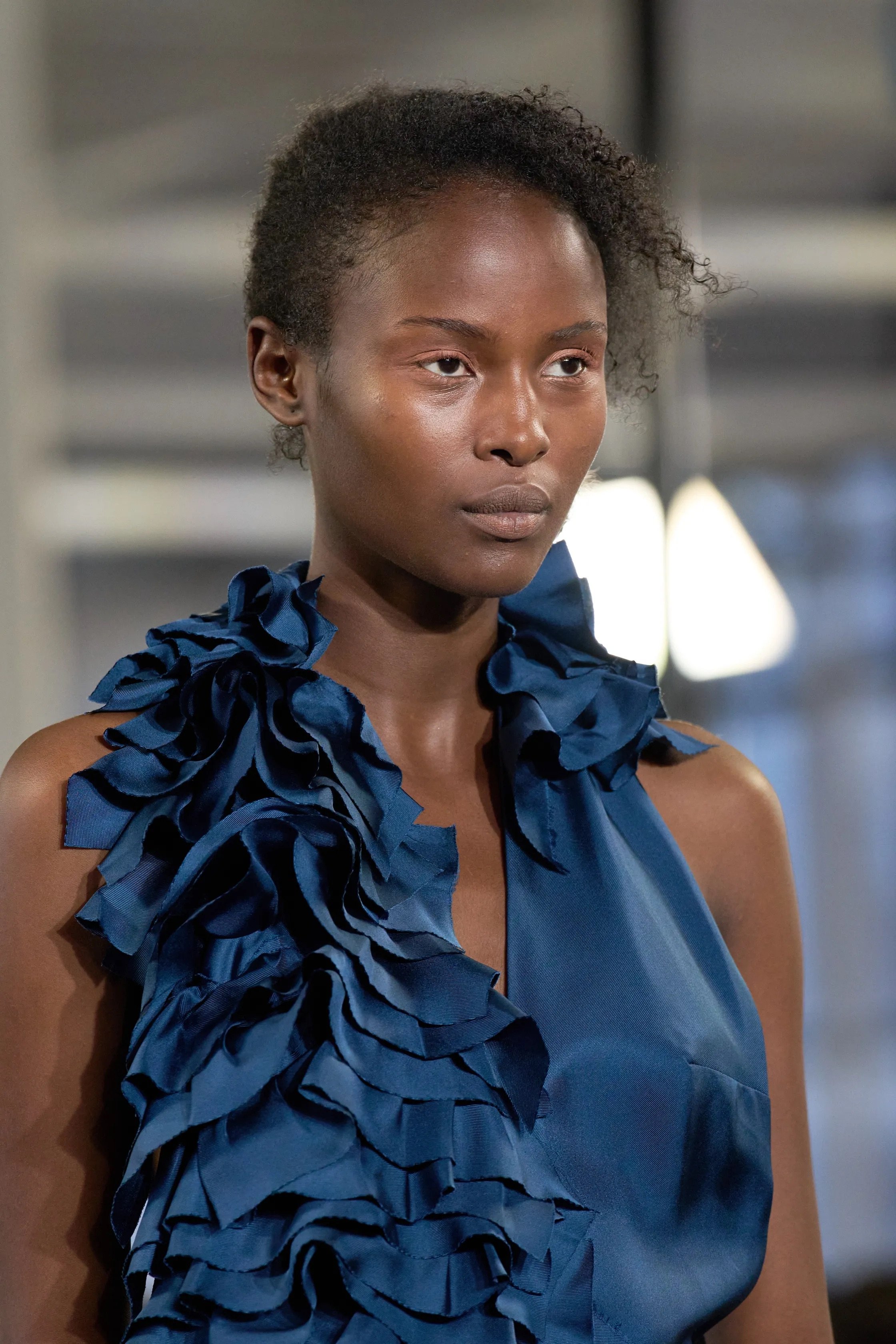
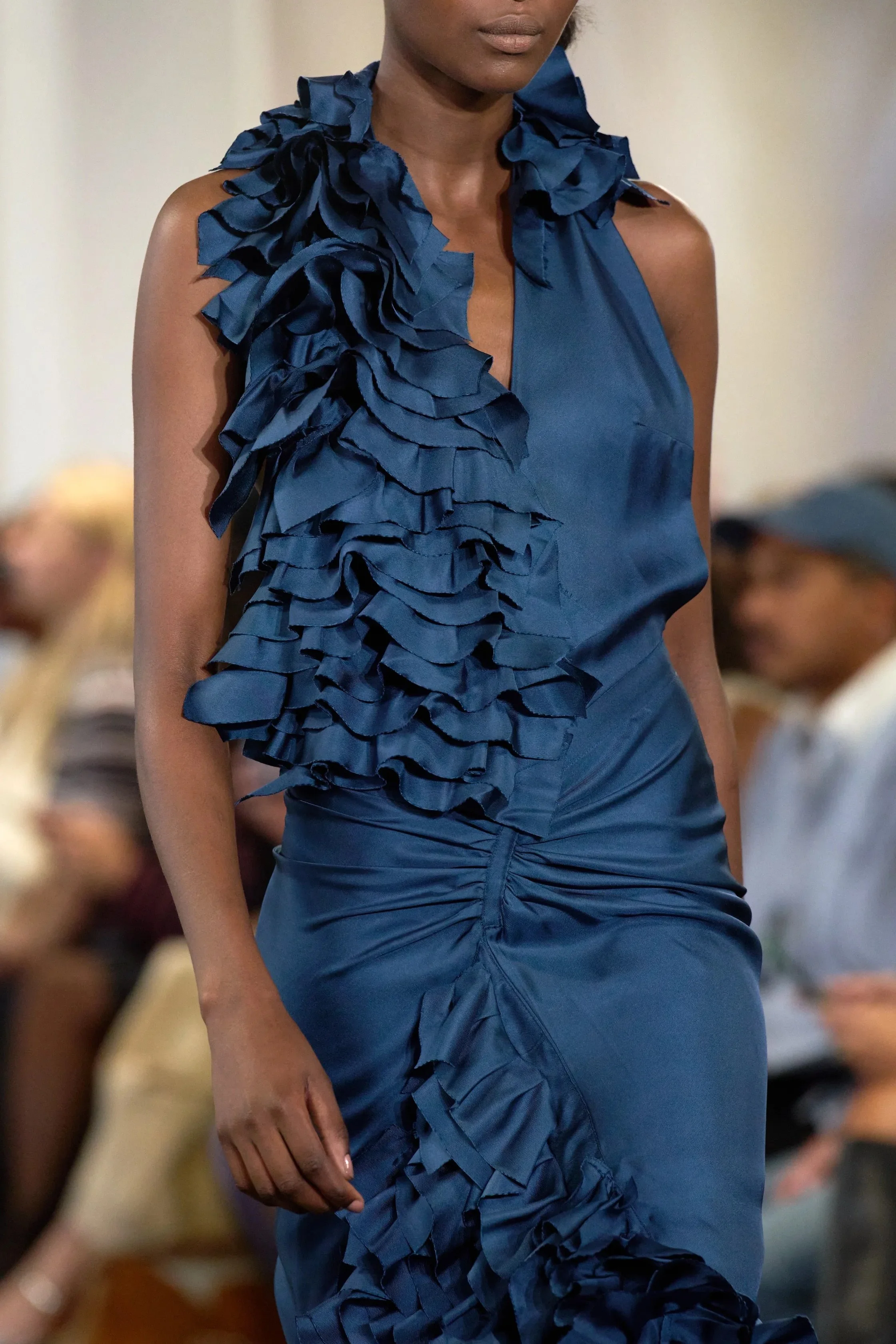
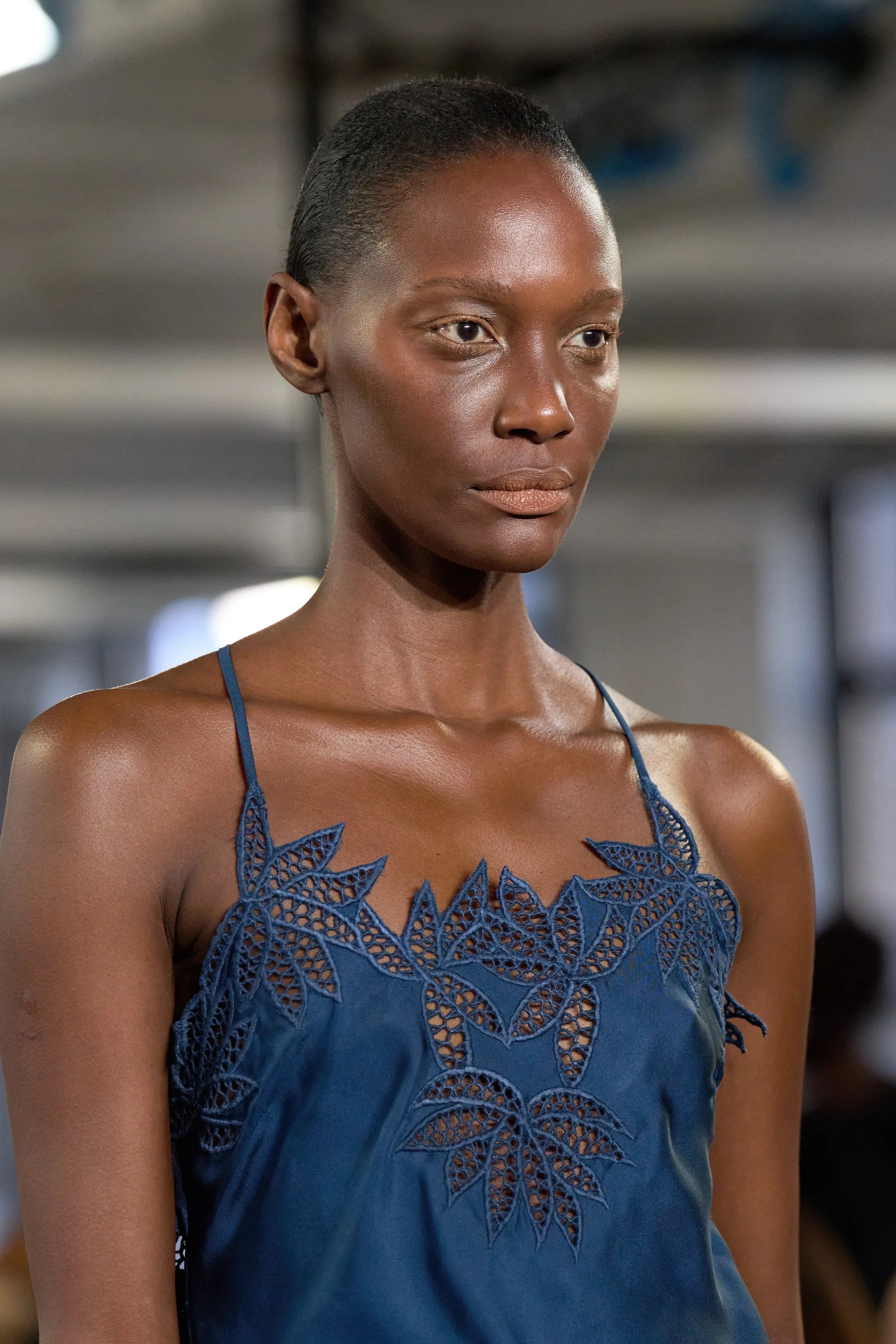
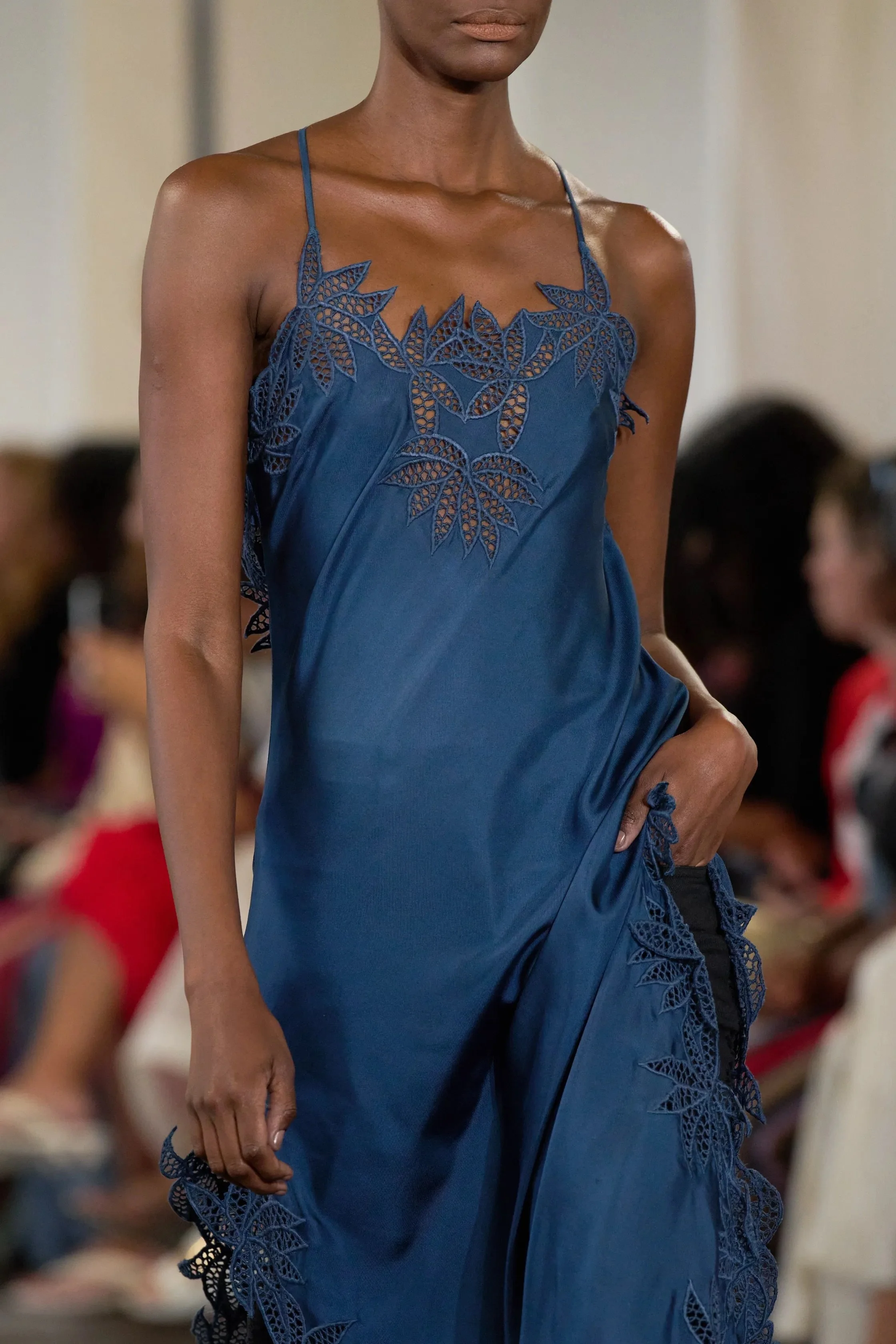
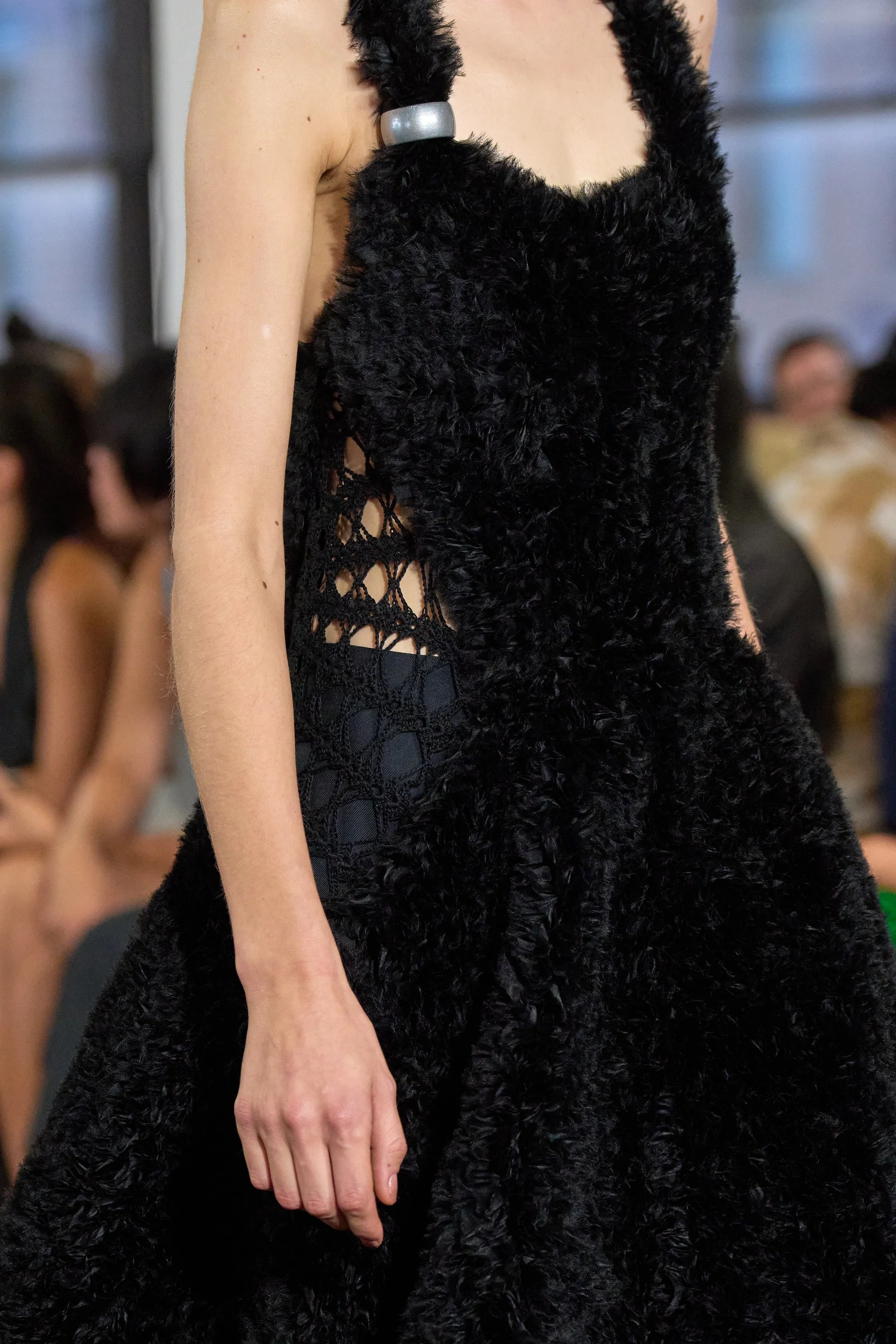
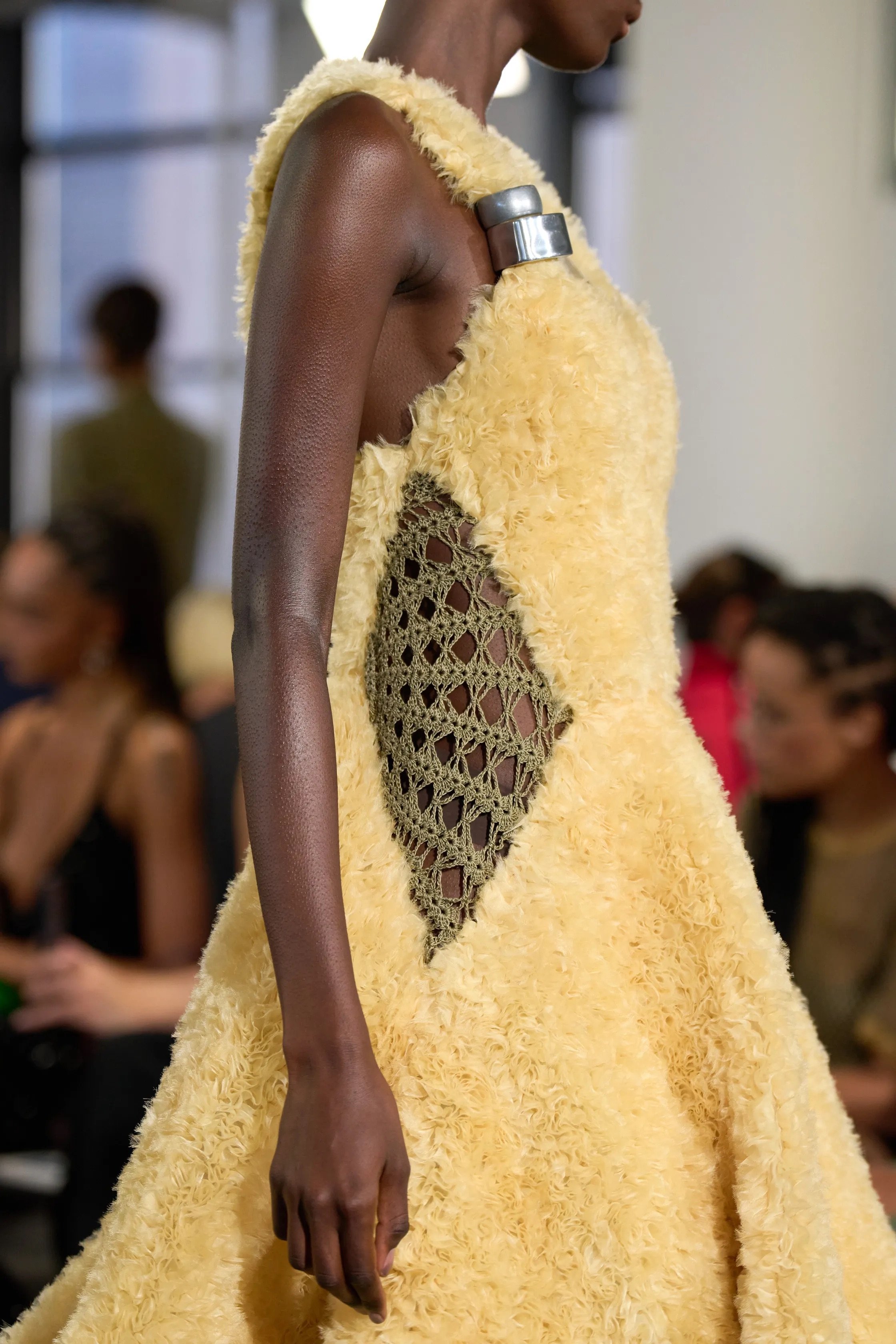
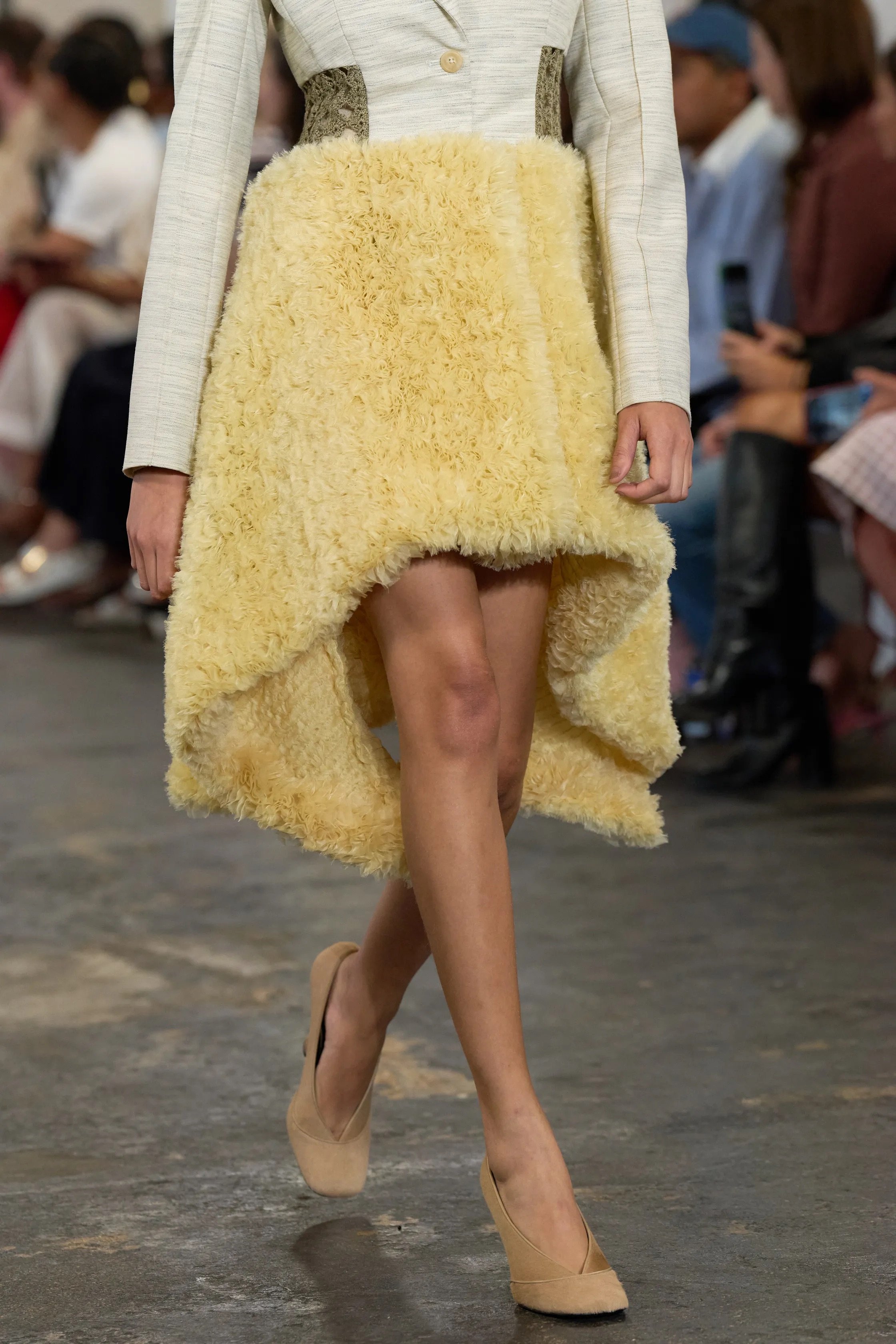
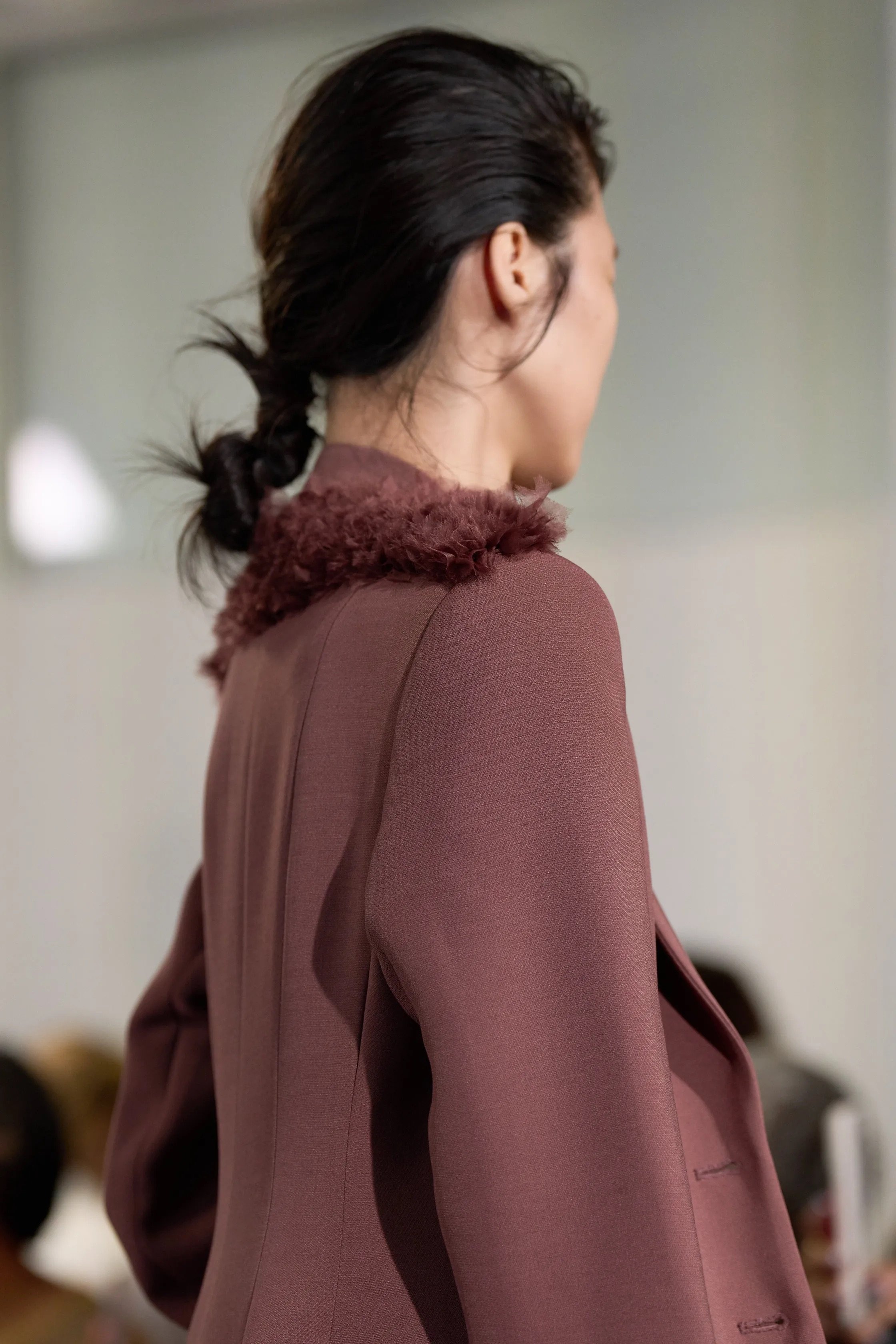
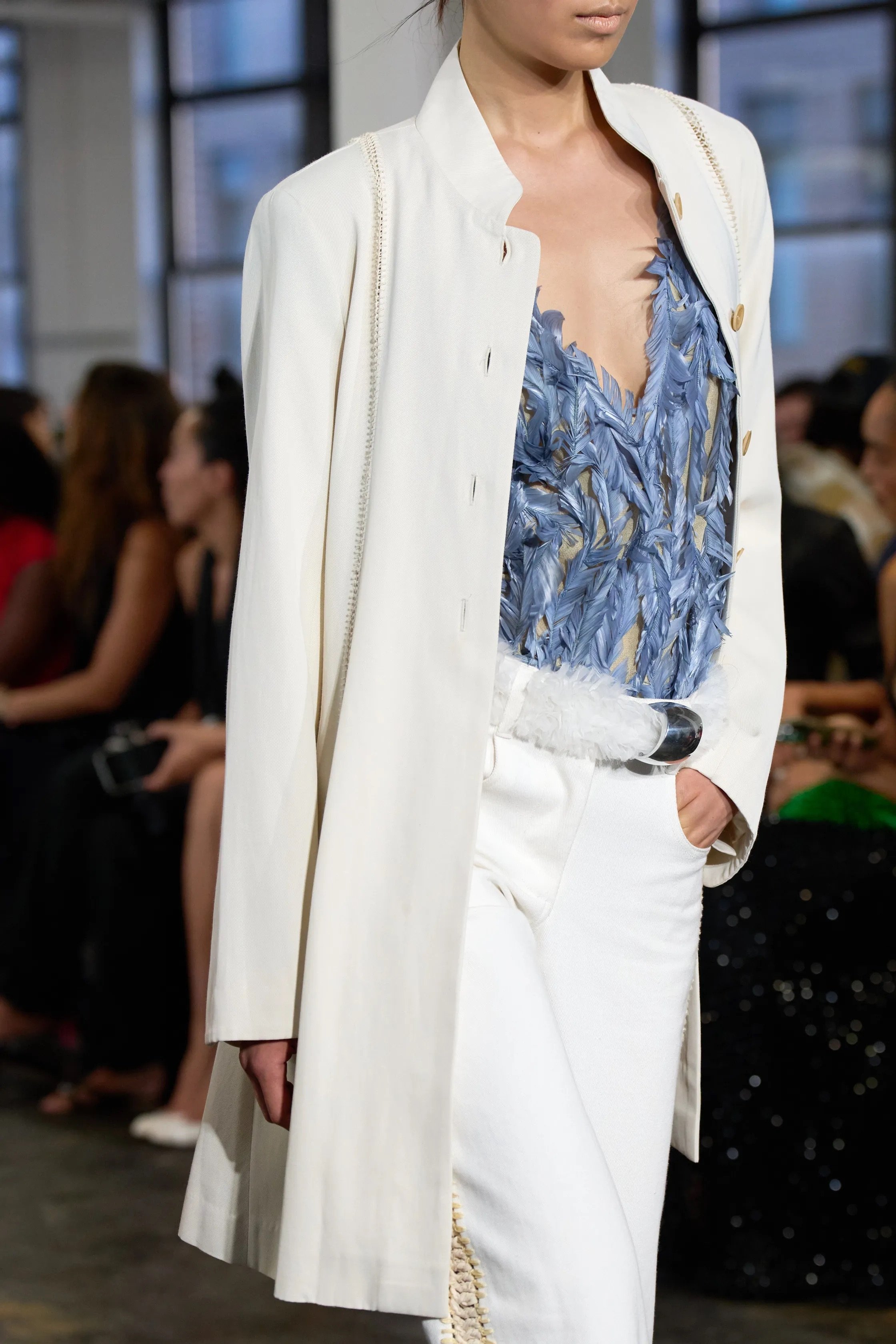
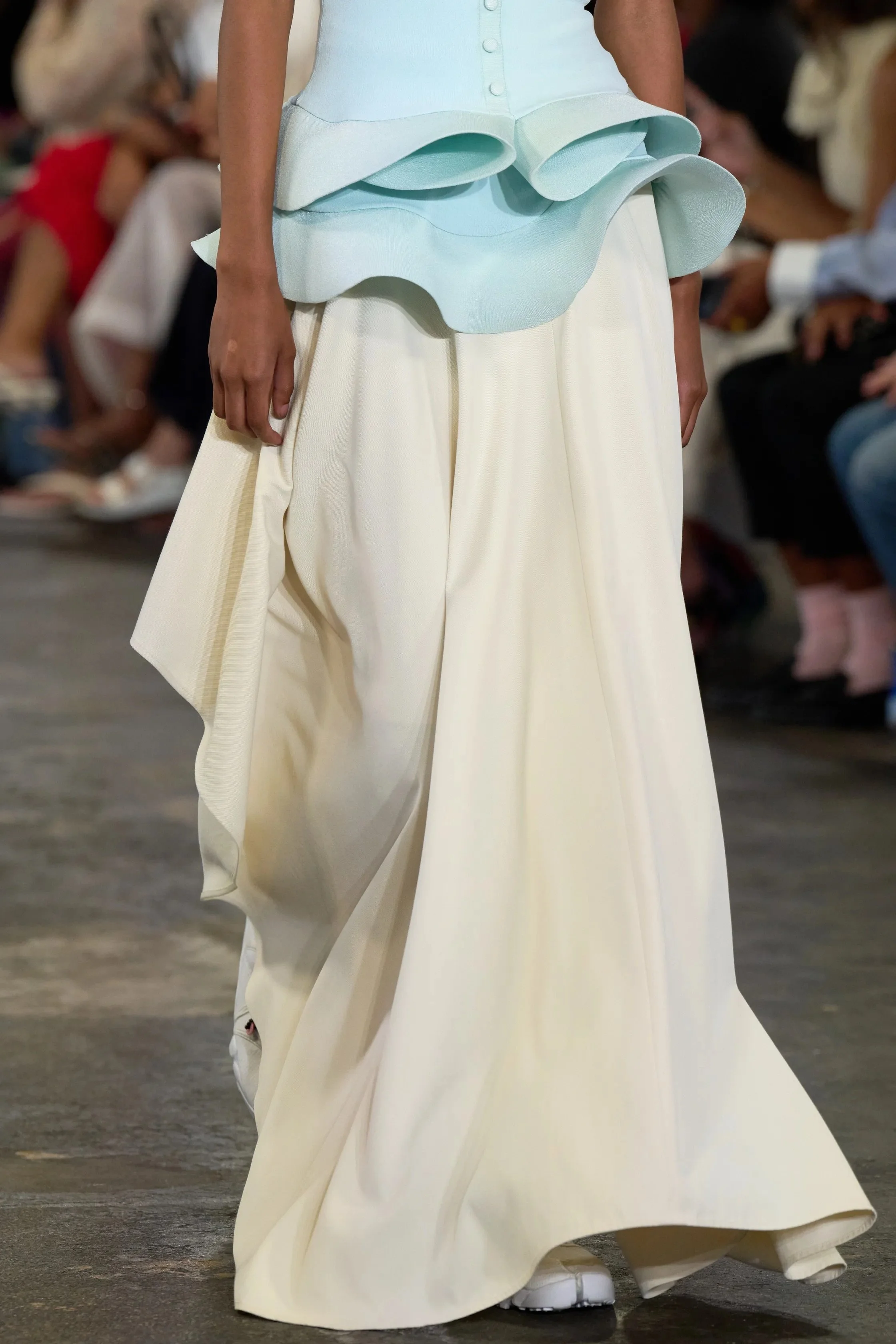
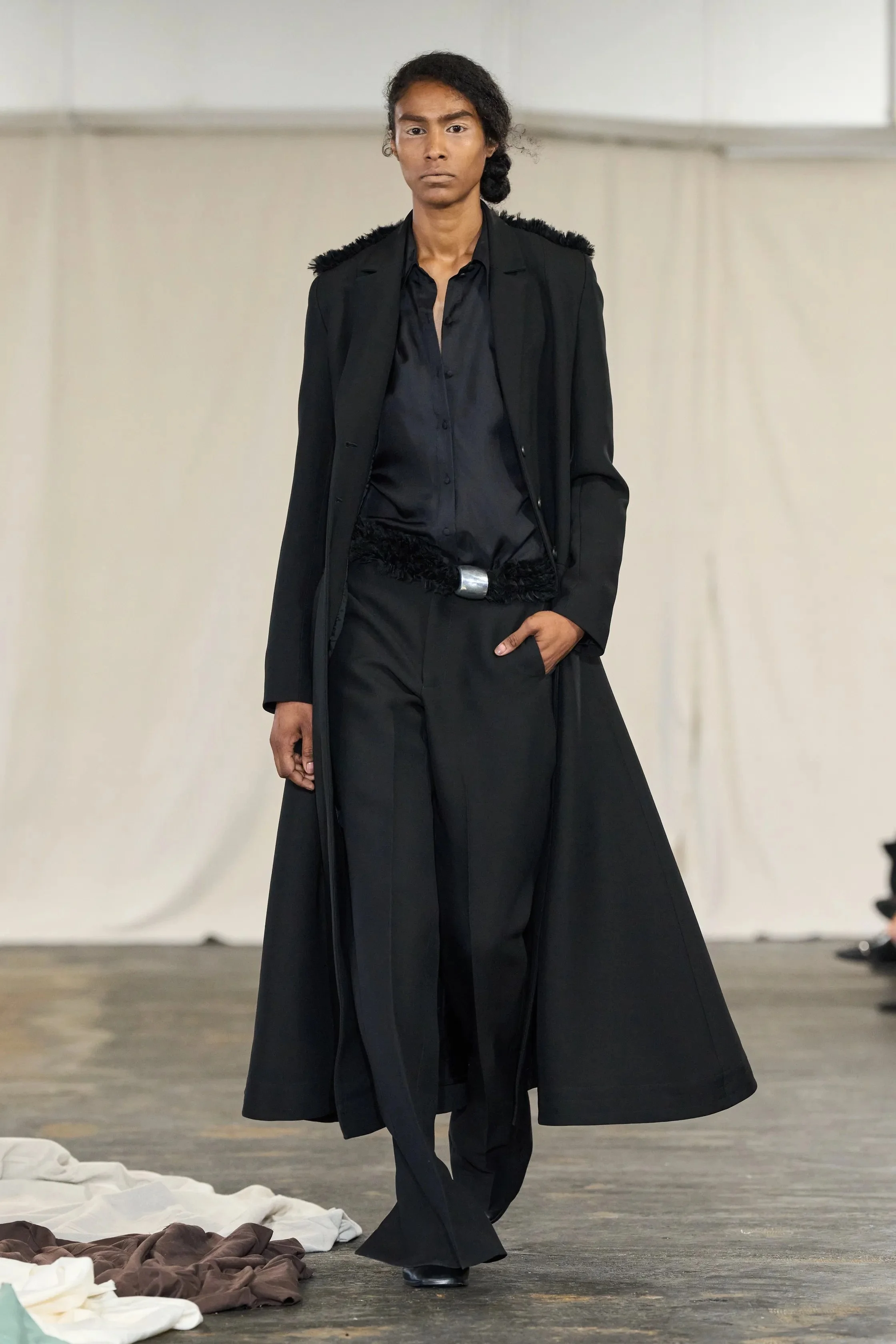
He noticed the sculptural silhouettes, the fabric falling around the body, and the extraordinary softness of the layered organza.
In Looks 17 and 18, he saw something resembling the petals of a flower native to Jamaica, although he couldn't recall its name. The resemblance was personal, an association that arose as he studied the garments.
And then his thoughts moved beyond the flowers.
He began to see a journey through time.
I find that interesting because Joseph has long questioned how we experience fashion as culture. He remembers when fashion journalism seemed equally interested in what designers created and why they created it.
There was an understanding that the garment was only part of the story.
The designer had lived a life before making it.
And some part of that life could become visible through the work.
A conversation between the past and present.
Rachel Scott's collection began with the Caribbean Sea.
In her Spring/Summer 2027 show notes, Scott described the water as a place of extraordinary beauty, but also one that carries histories of displacement, loss, and human connection.
She imagined a woman traveling between the islands of the Caribbean, moving through different centuries.
At one moment, this woman existed within a colonial plantation house. At another, she became Suzanne Césaire, the Martinican writer whose work challenged colonial ways of understanding the Caribbean. Eventually, she emerged as a woman living in the present.
The collection was not designed around one historical period. It drew from several.
And suddenly, Joseph's interpretation of the garments as a journey through time had a deeper context.
The sea became visible in the construction.
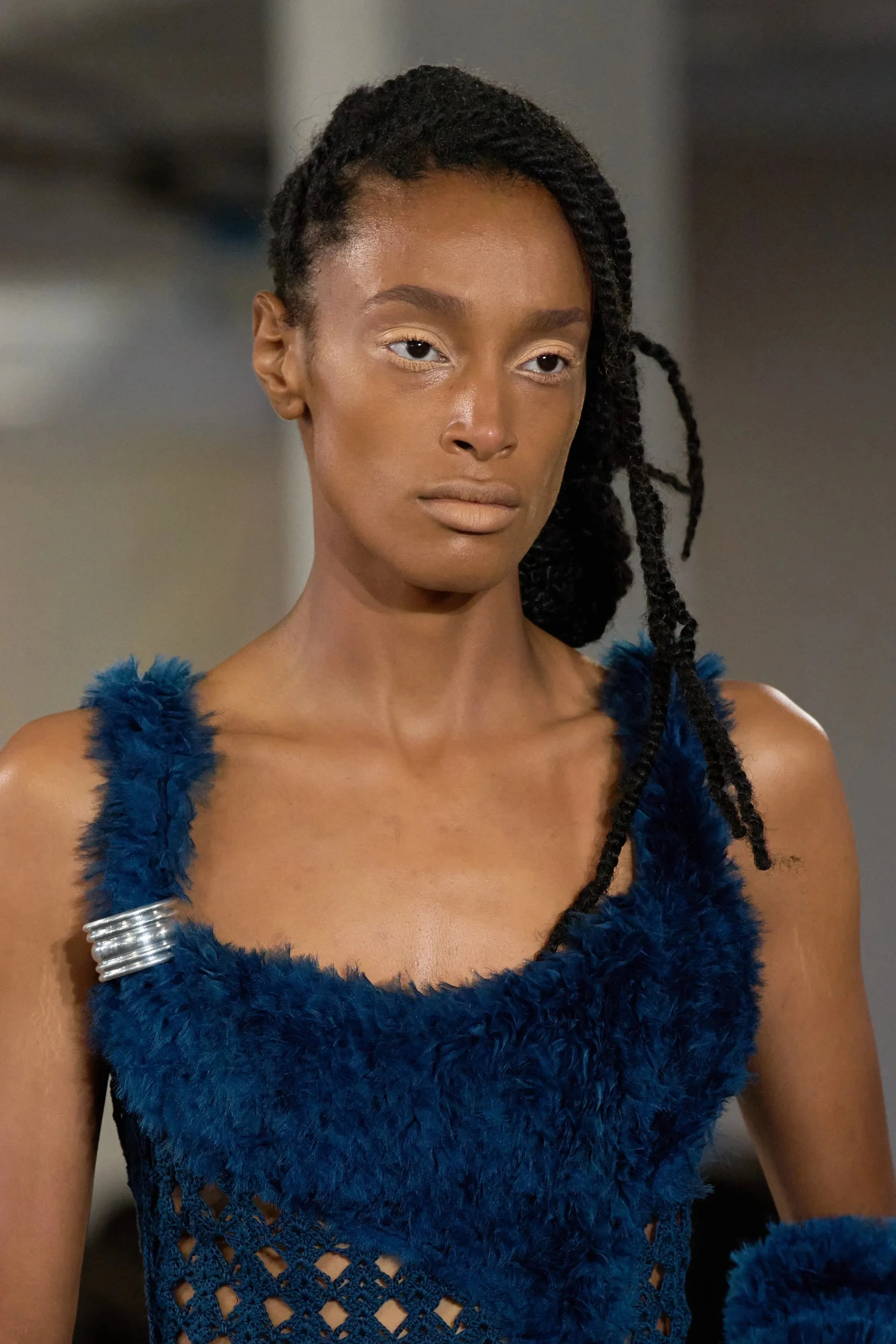
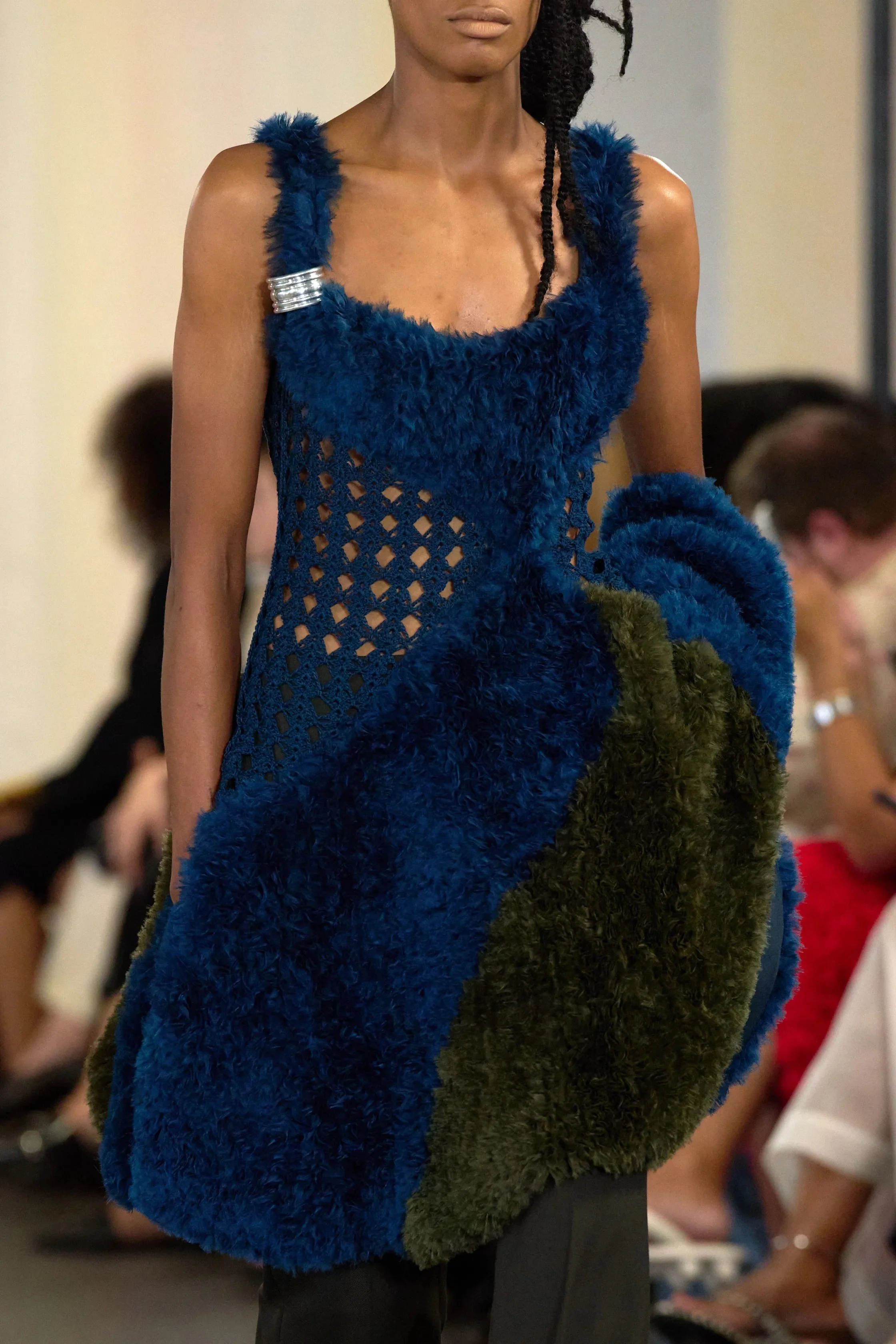
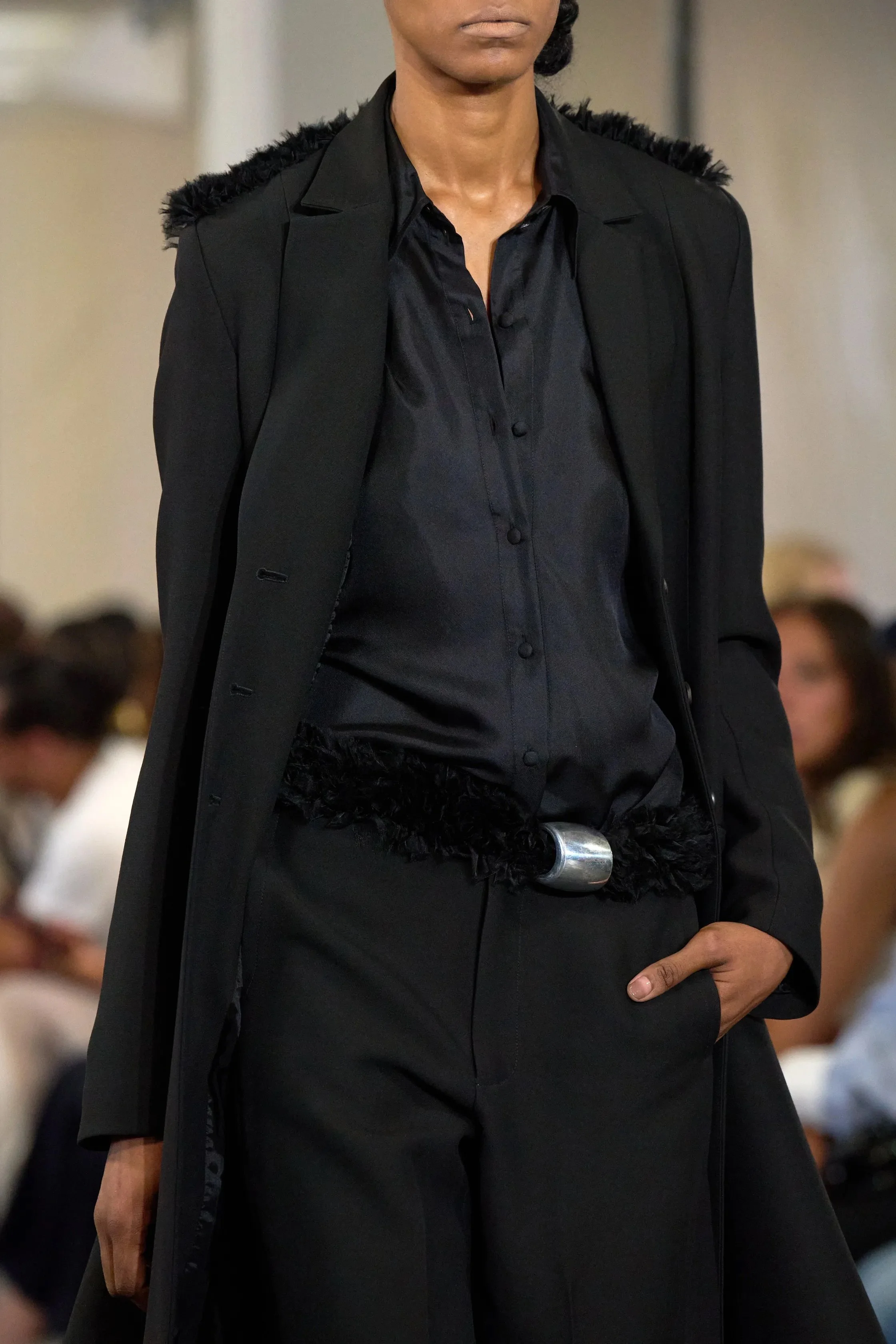
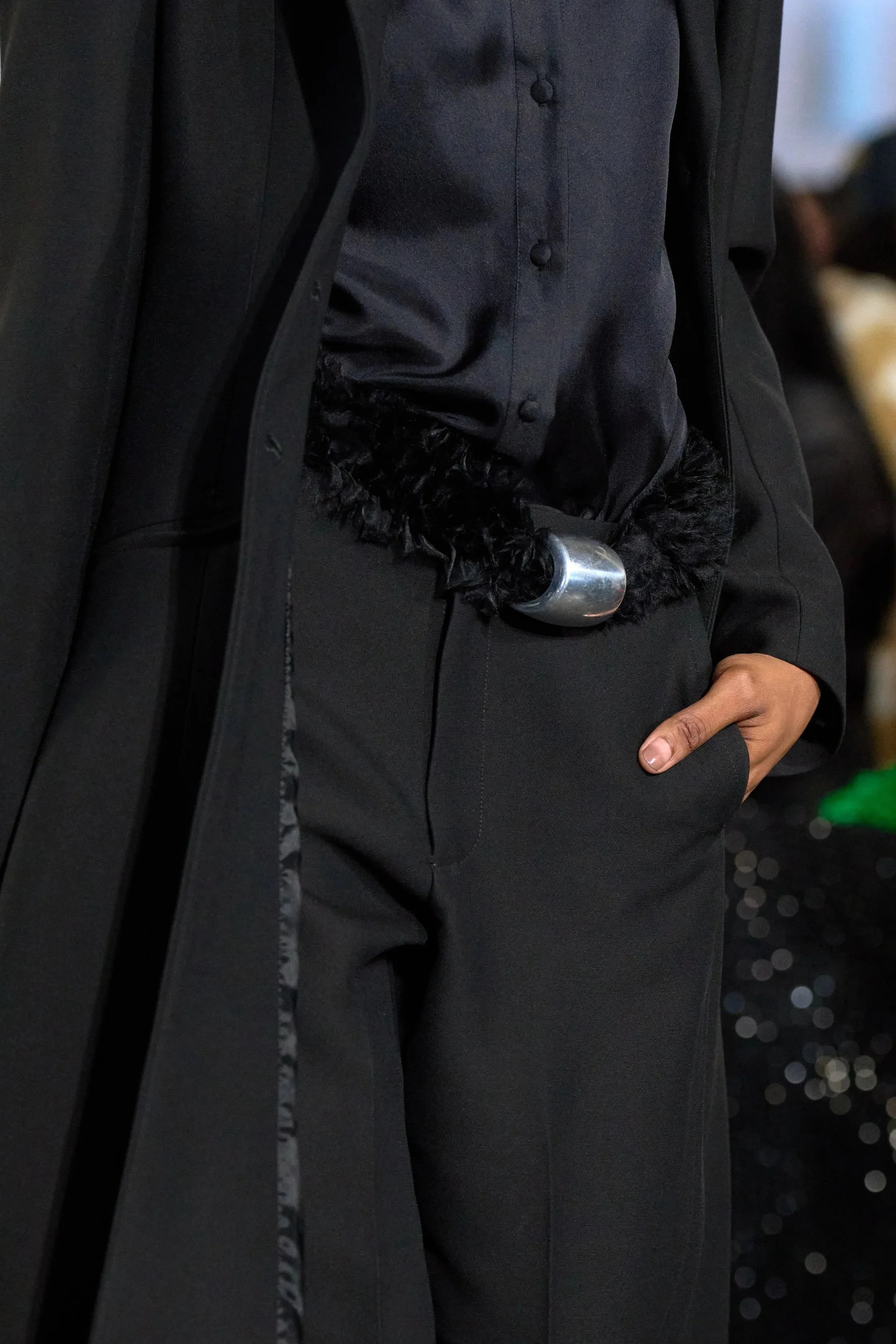
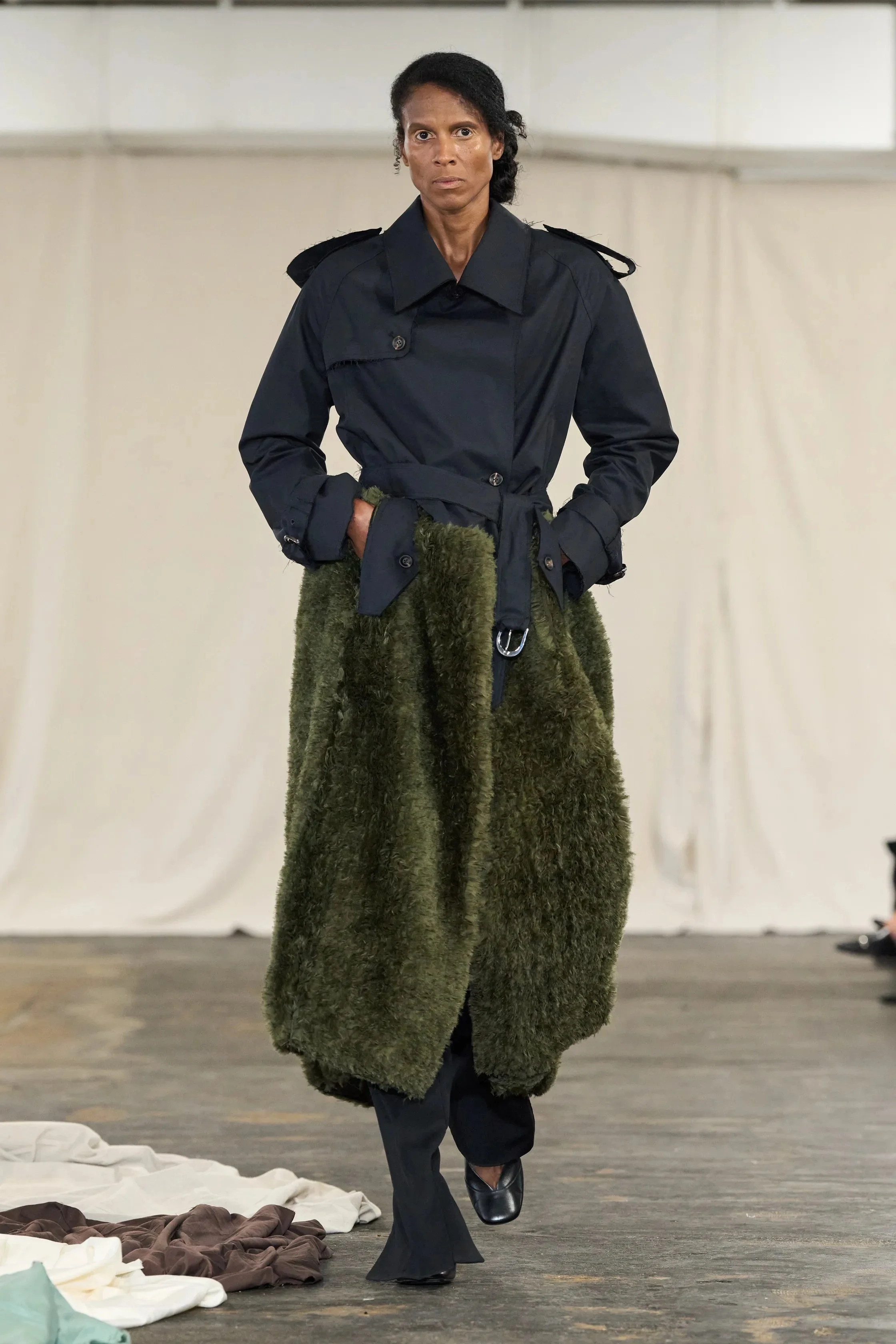
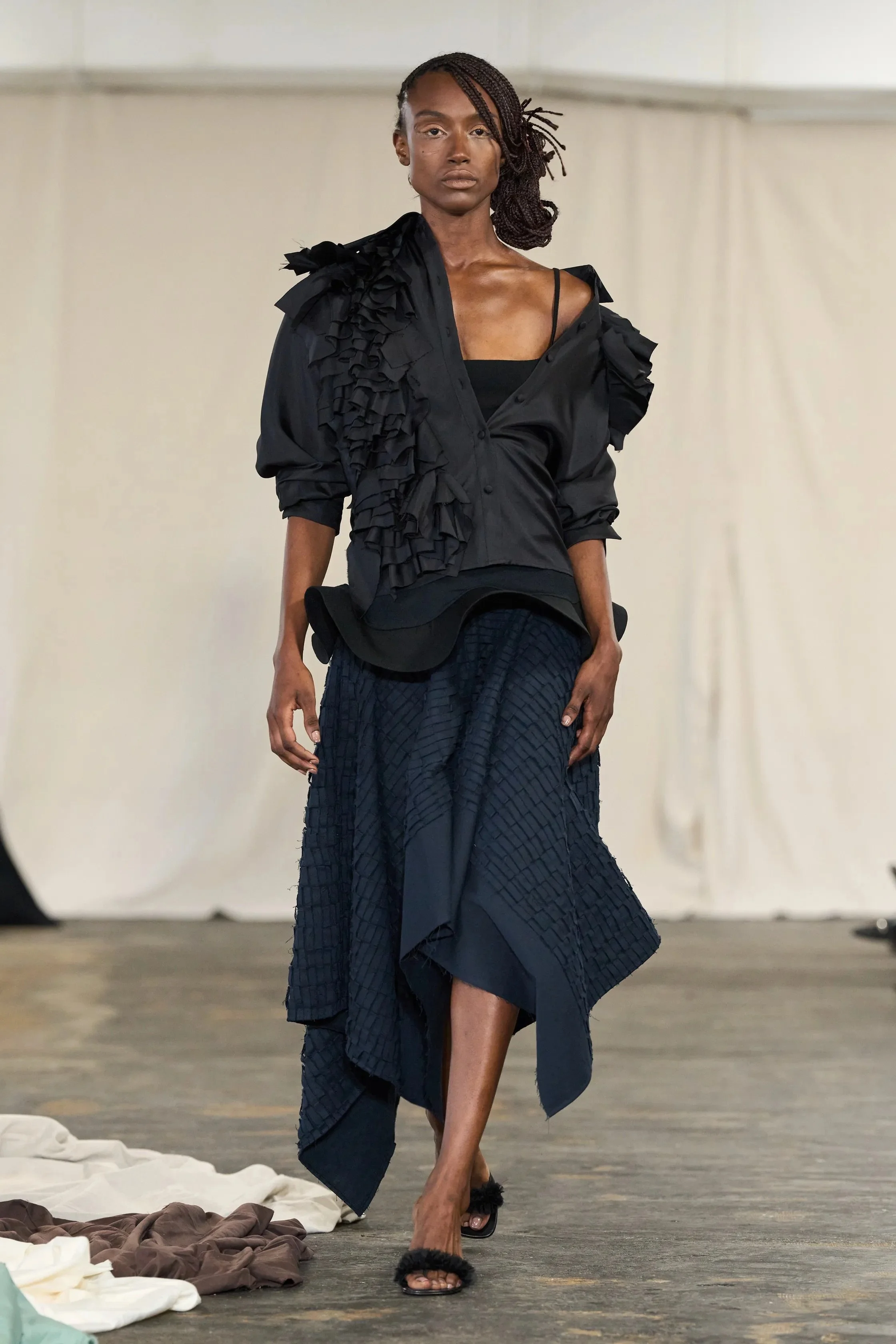
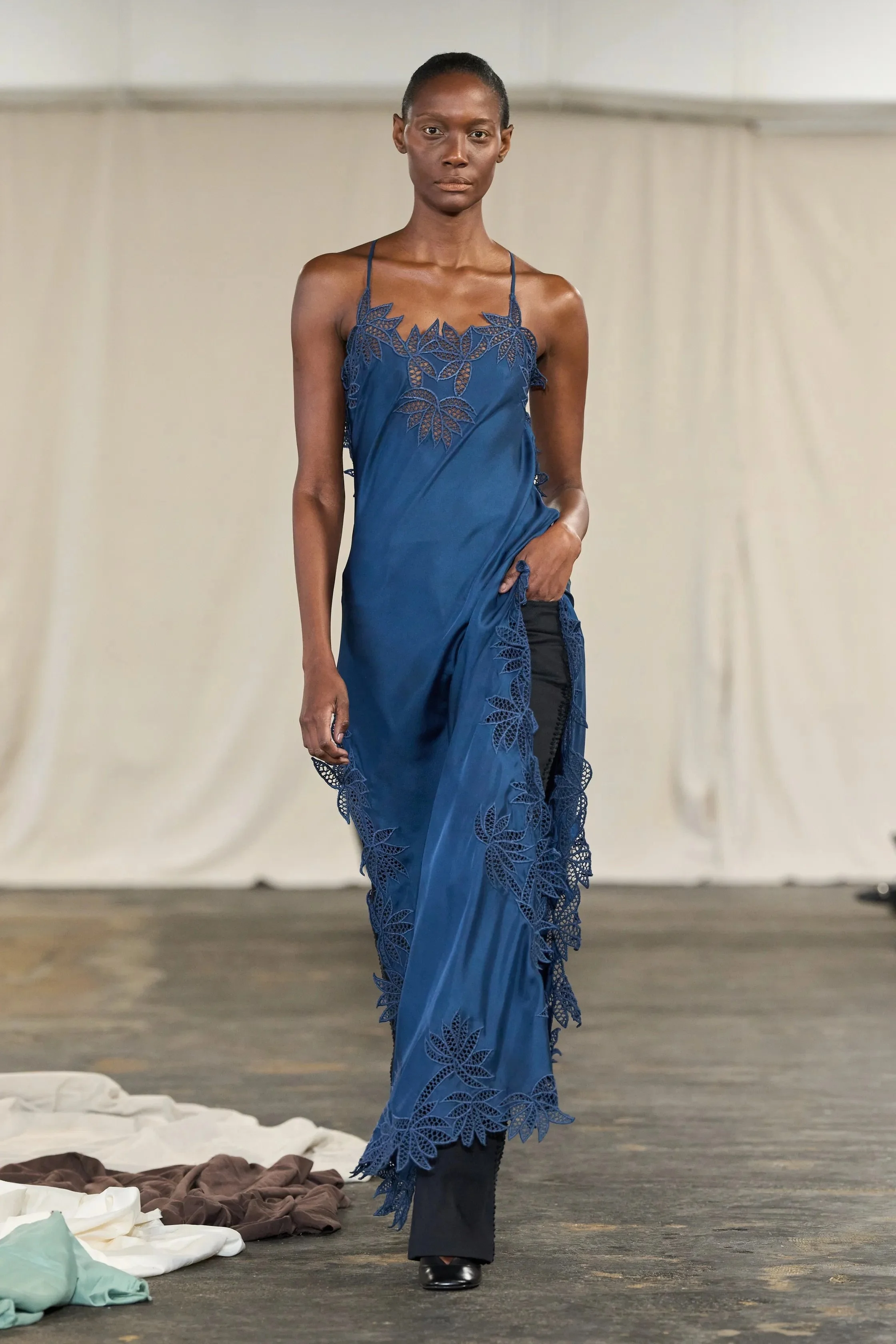
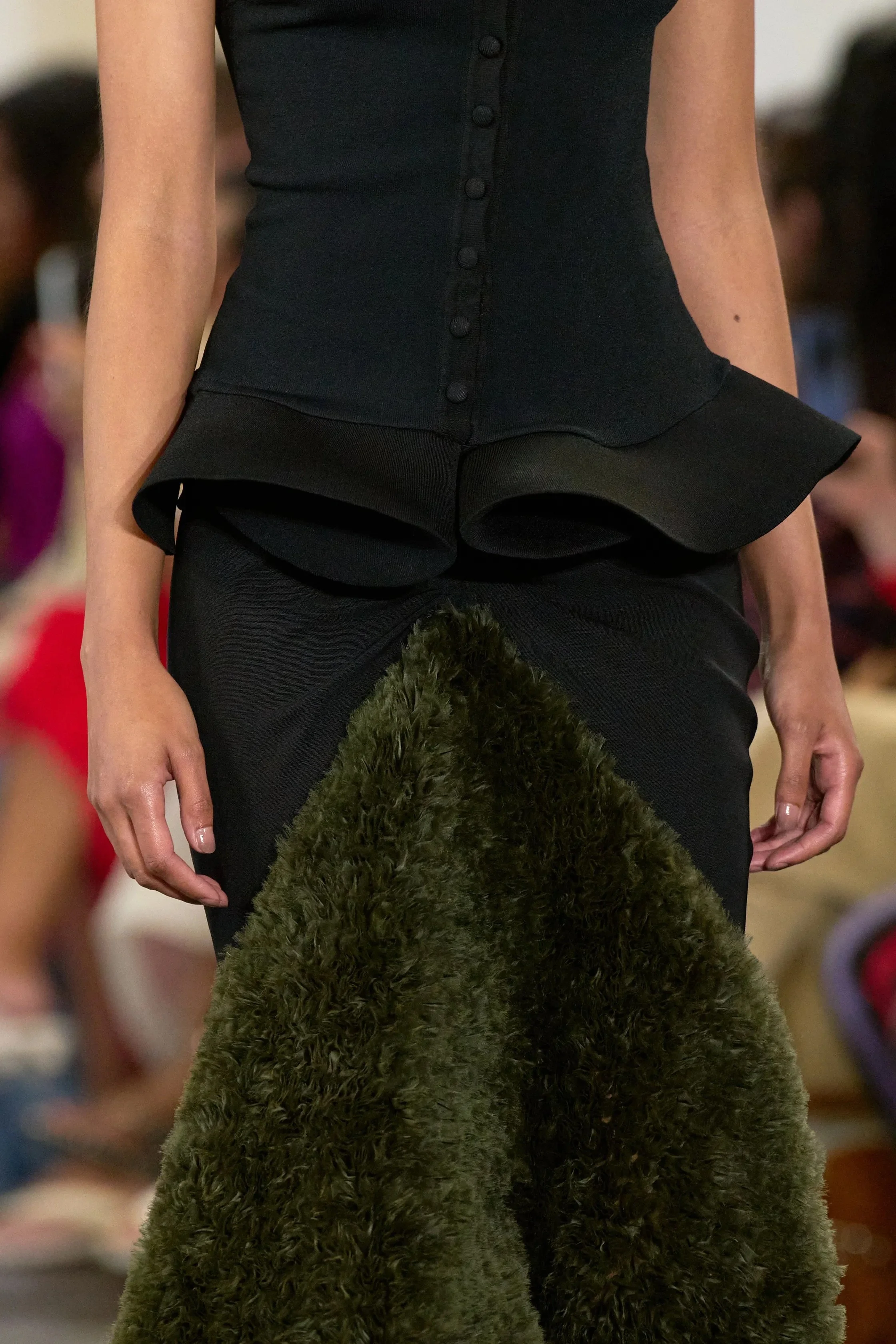
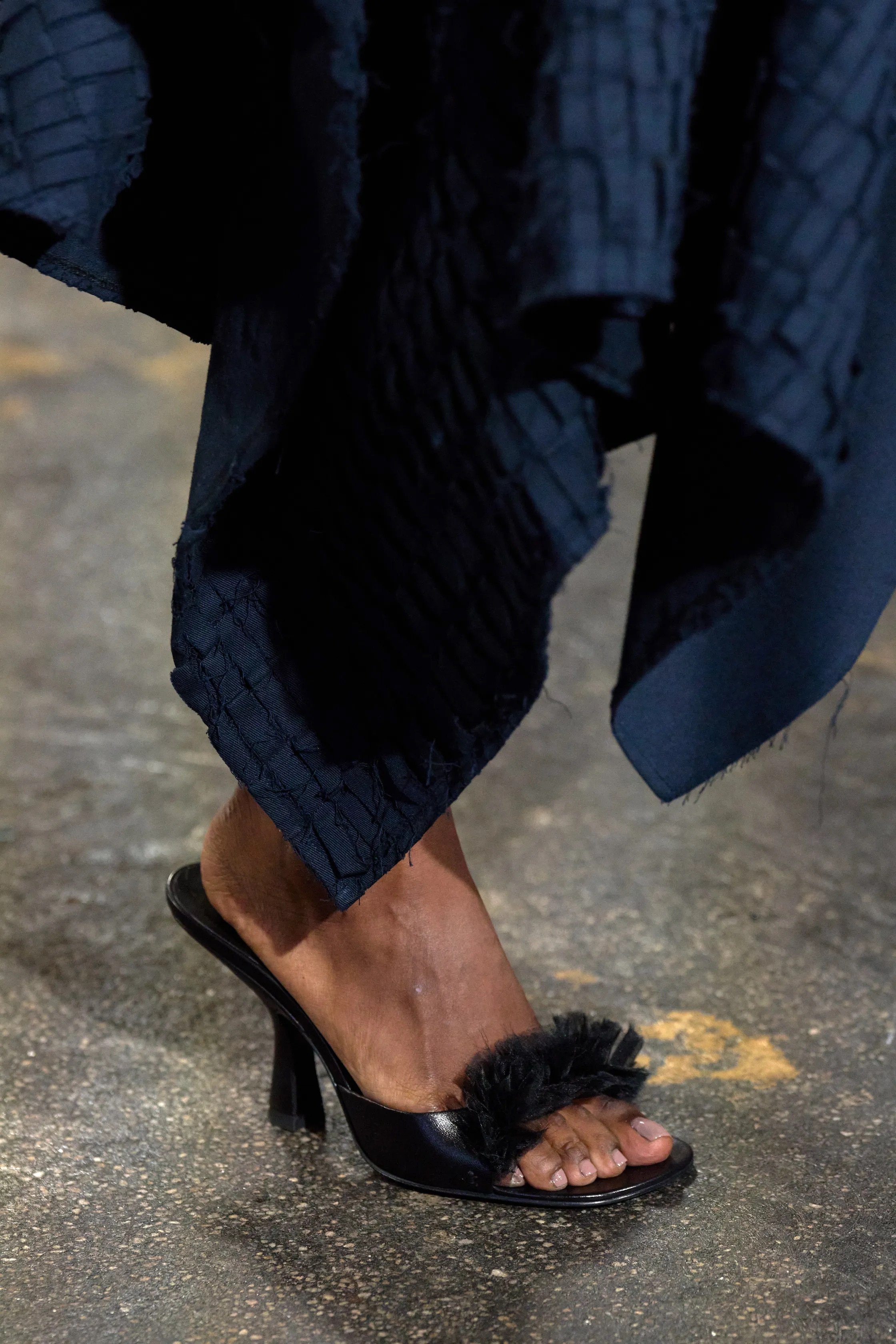
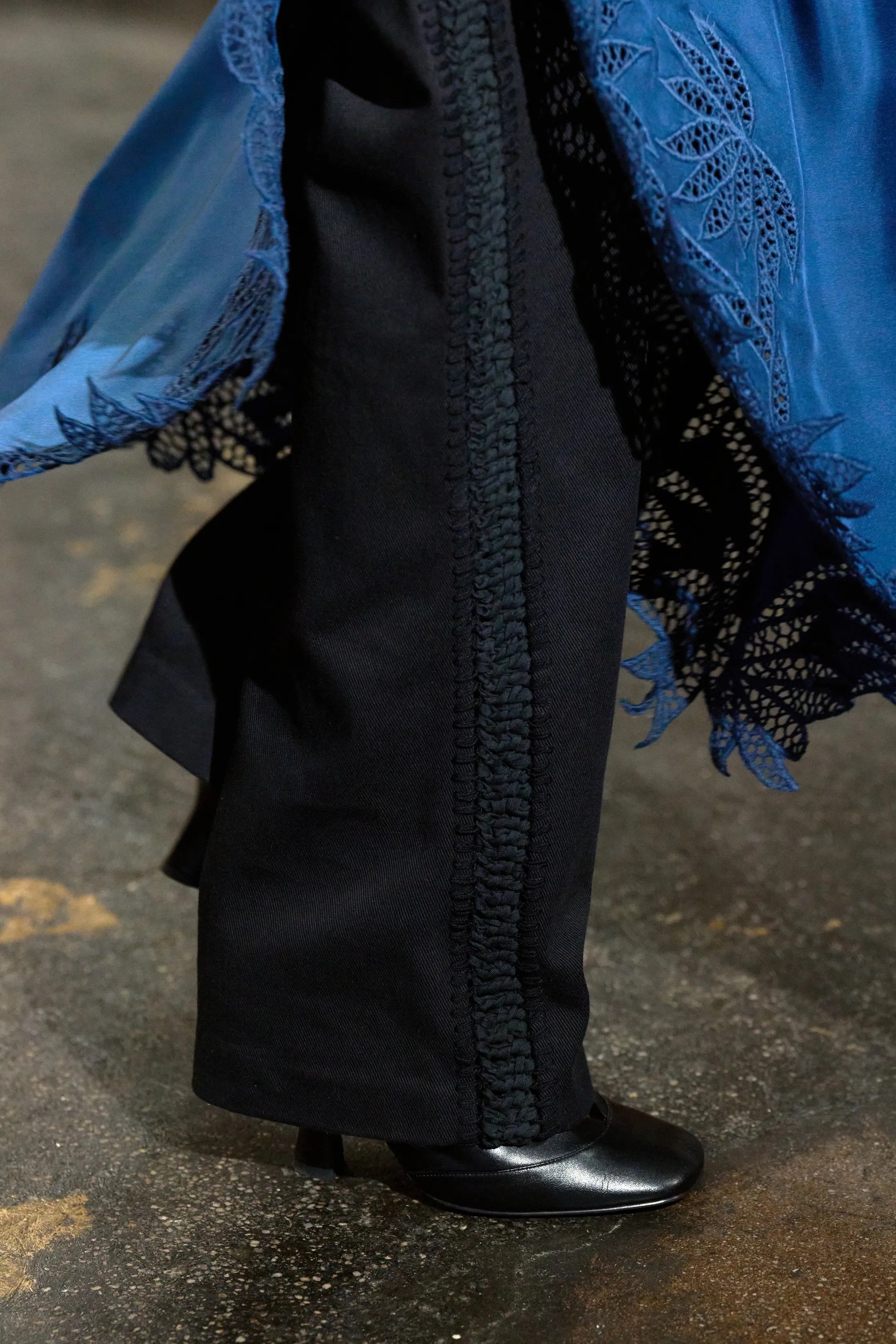
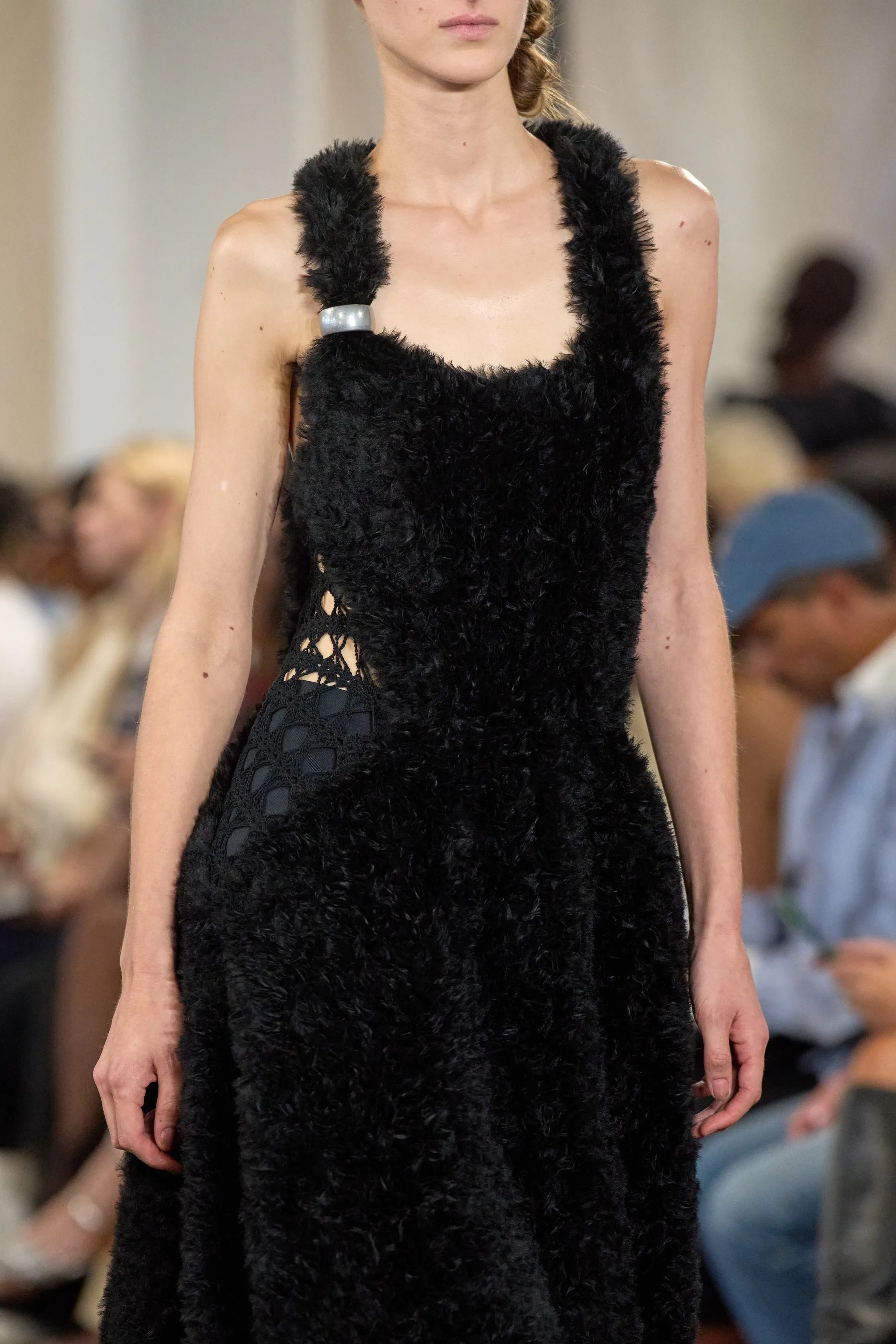
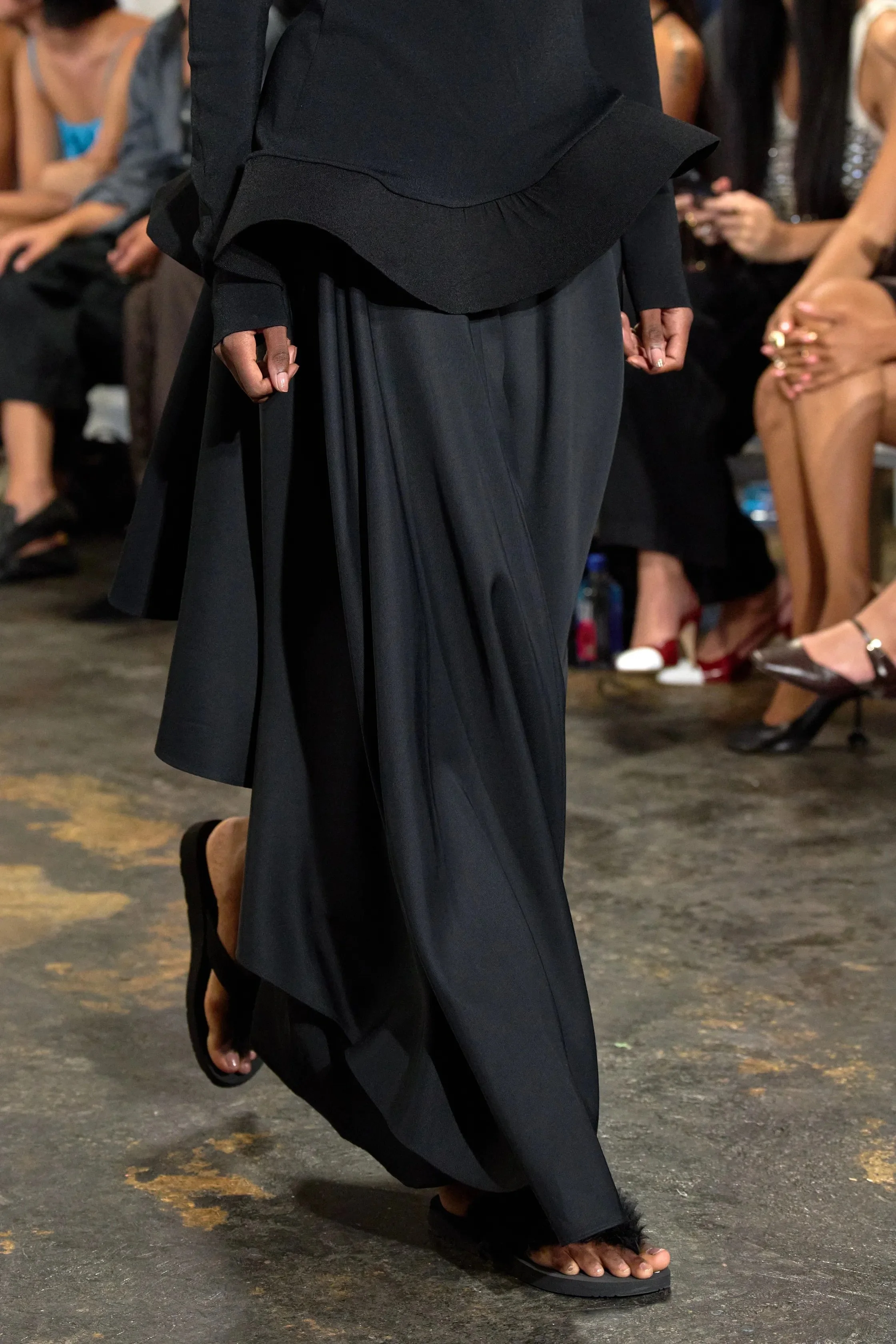
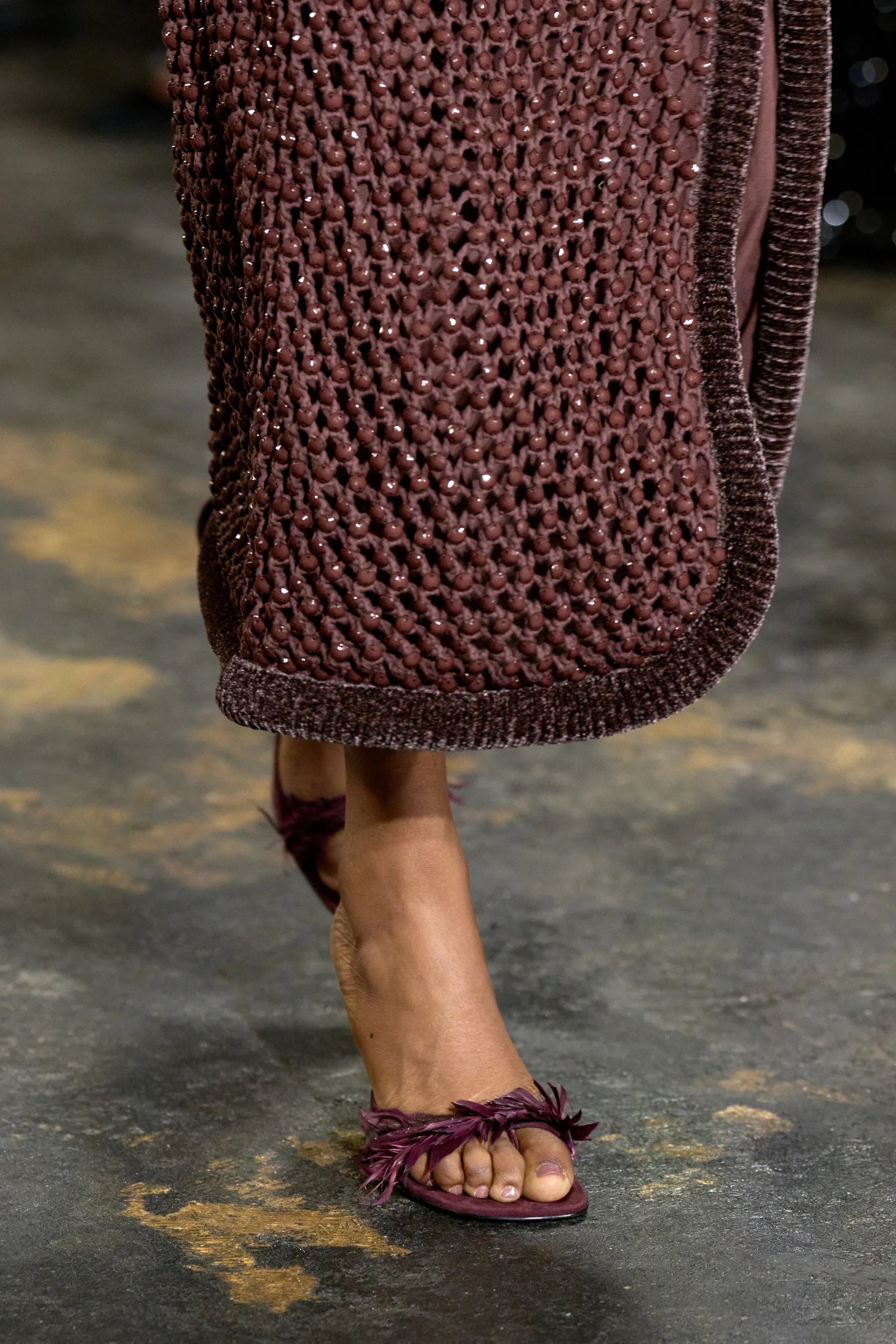
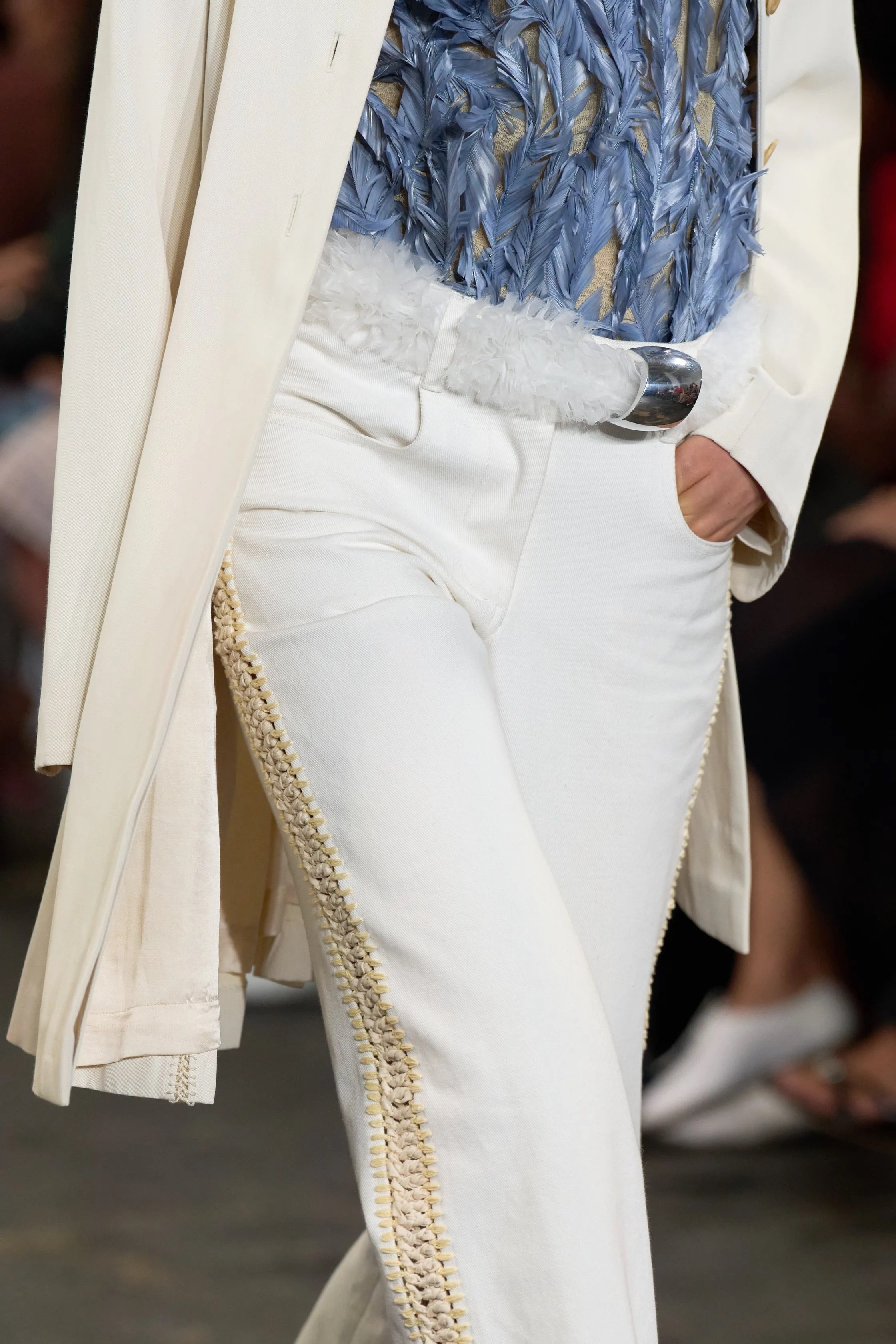
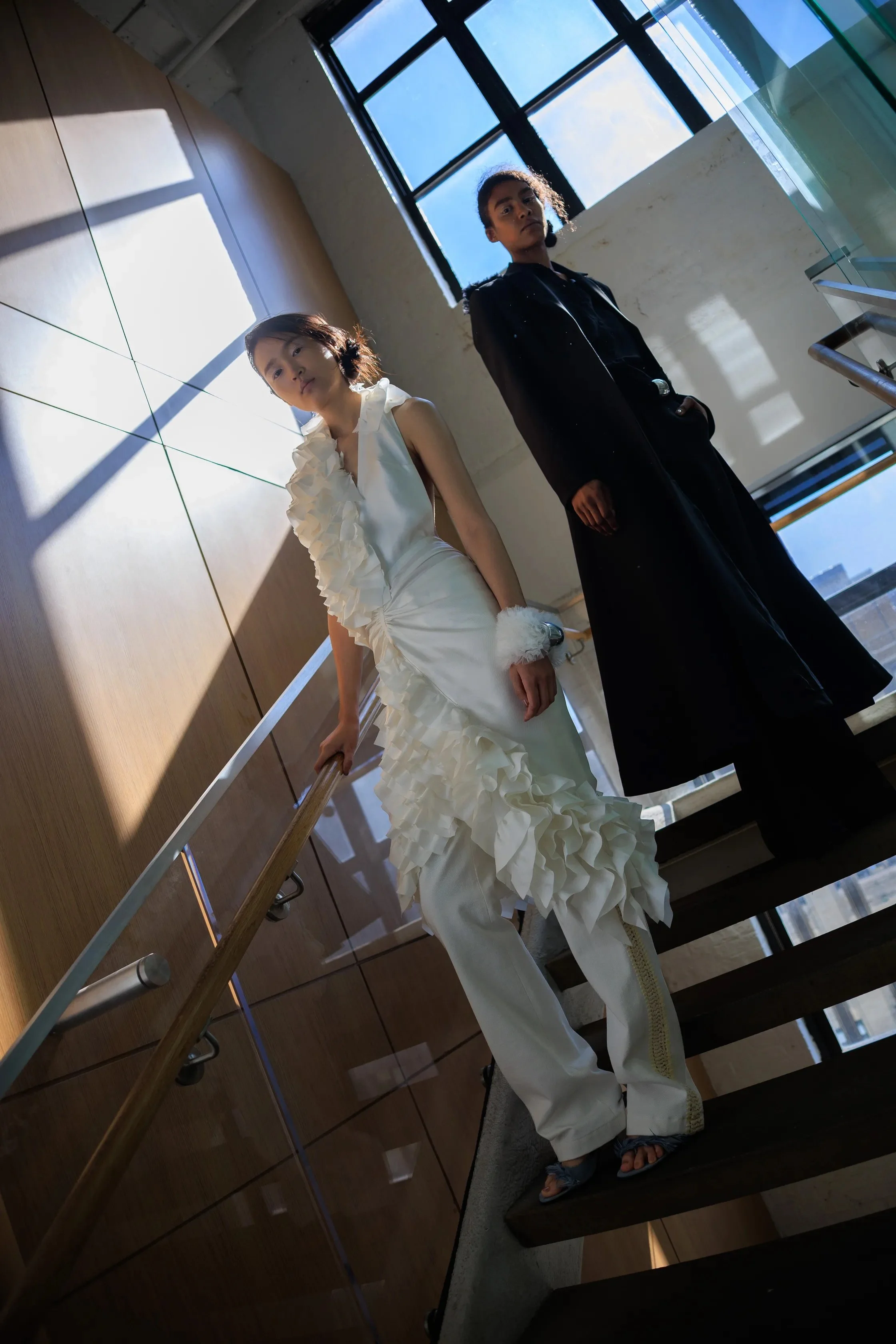
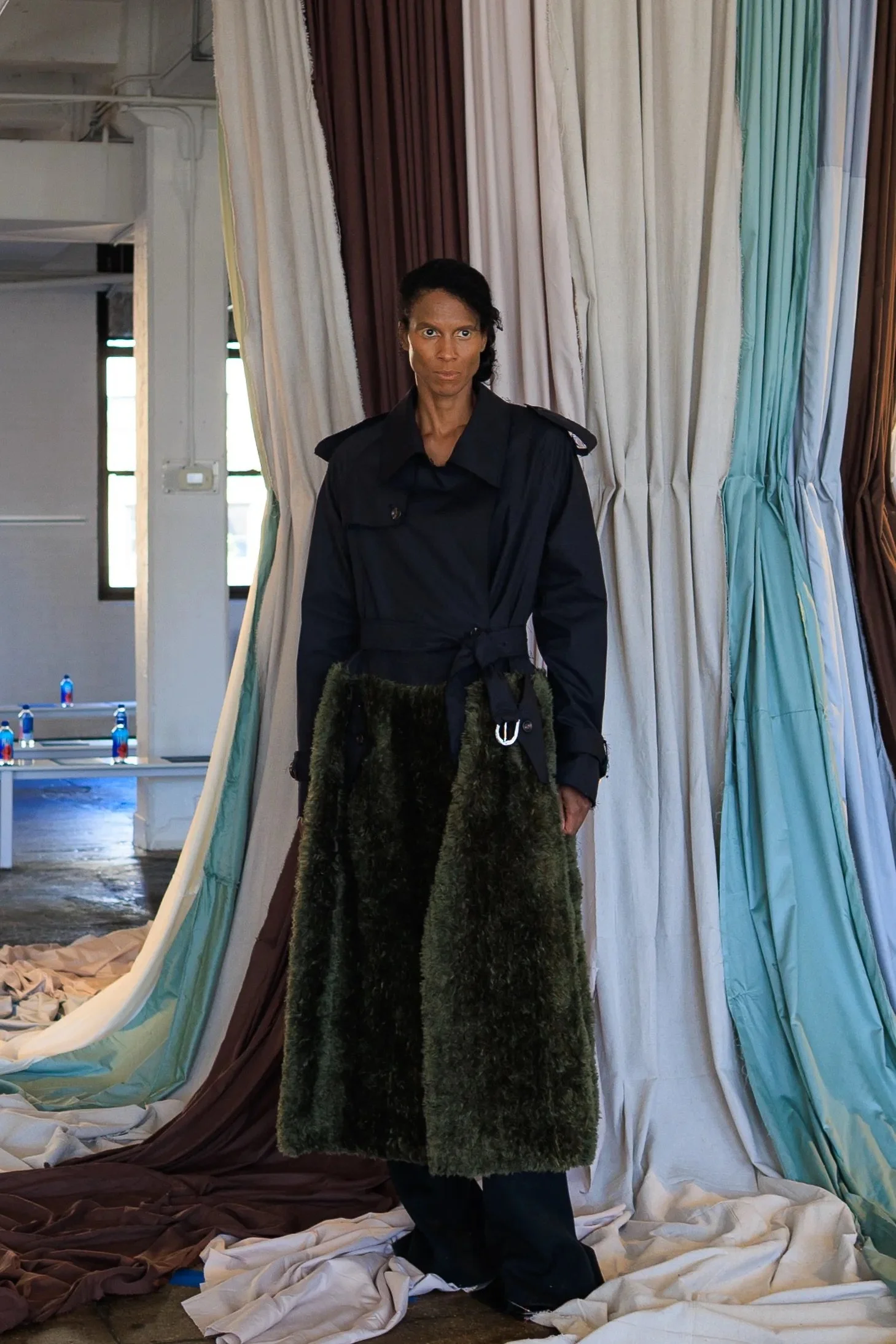
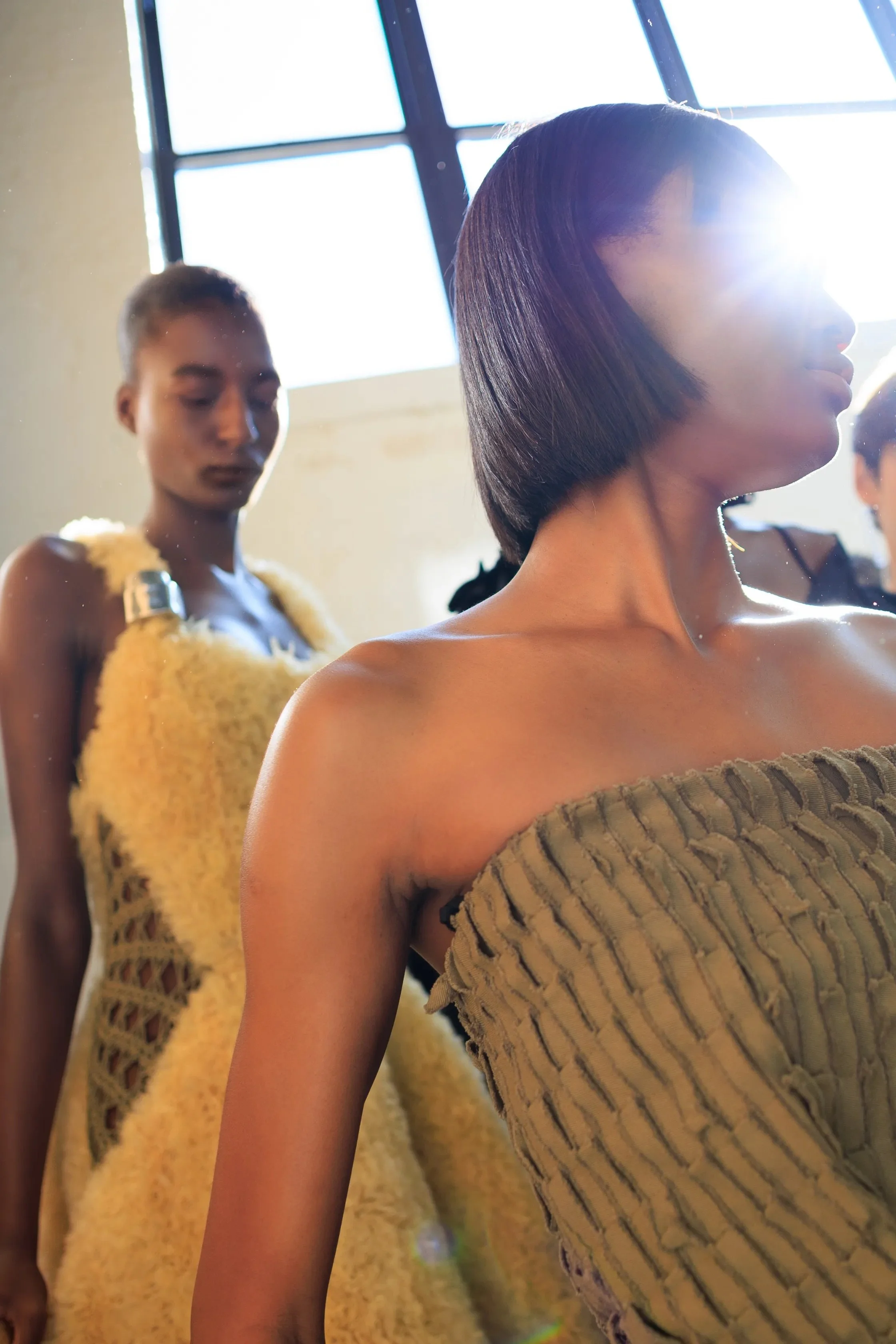
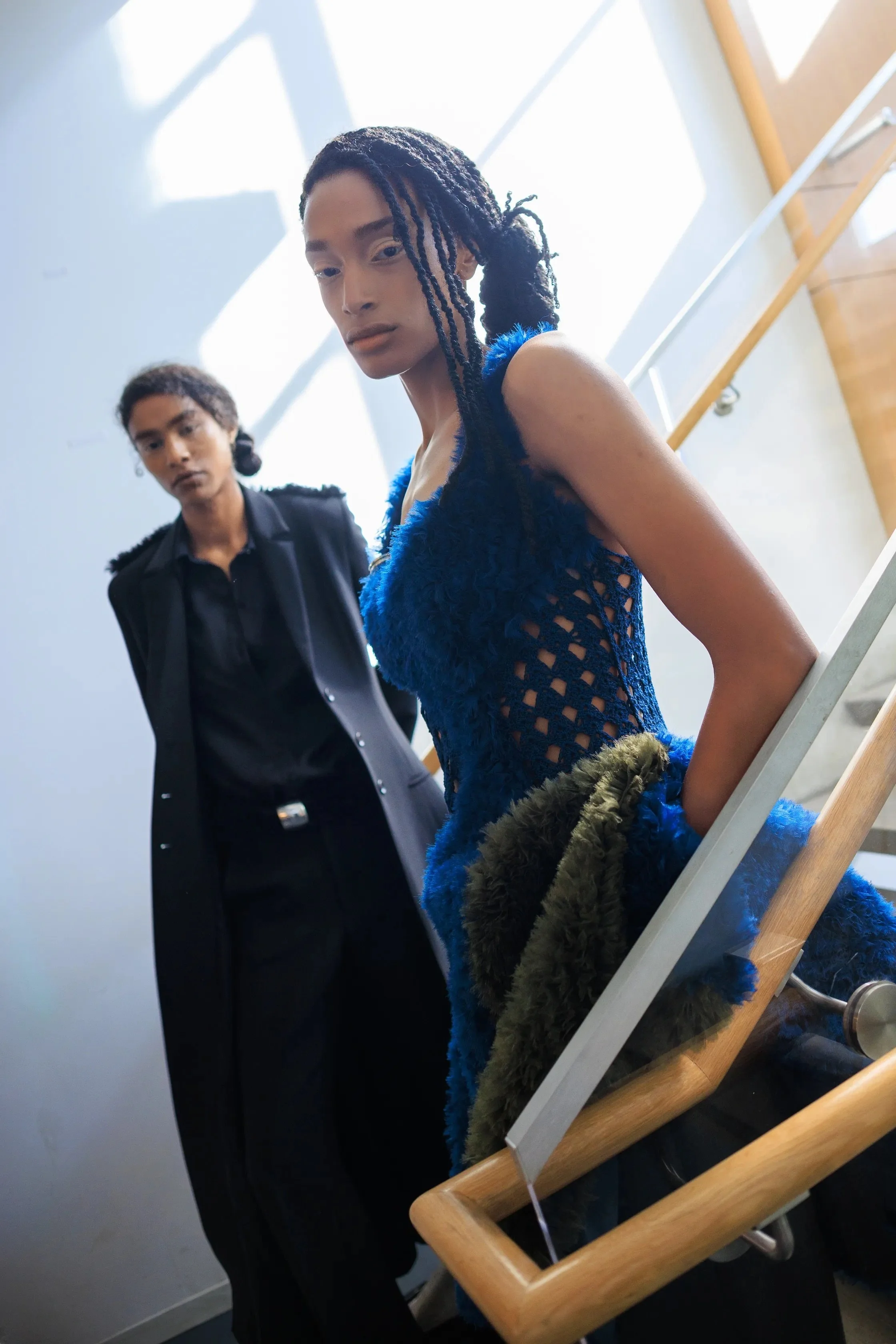
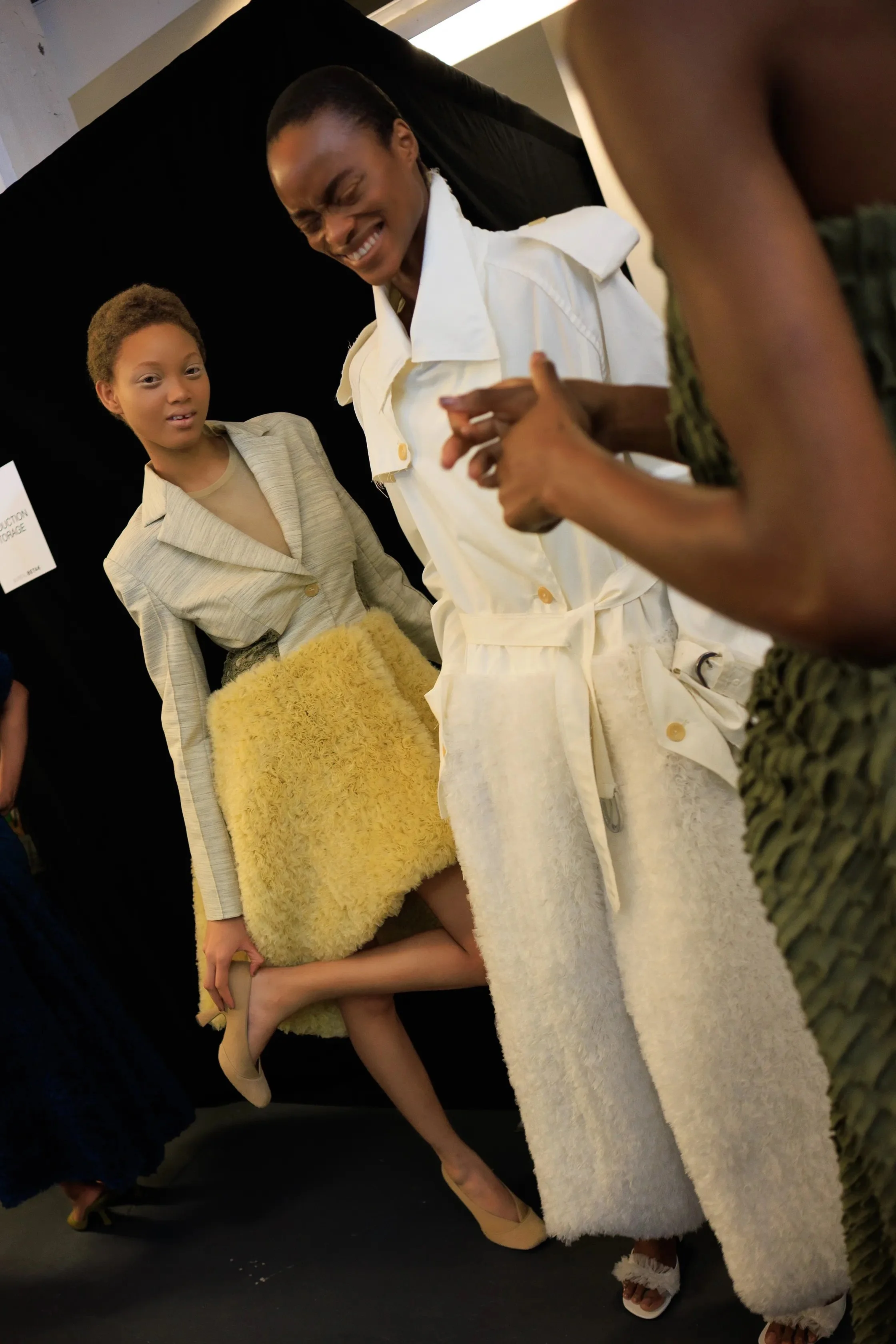
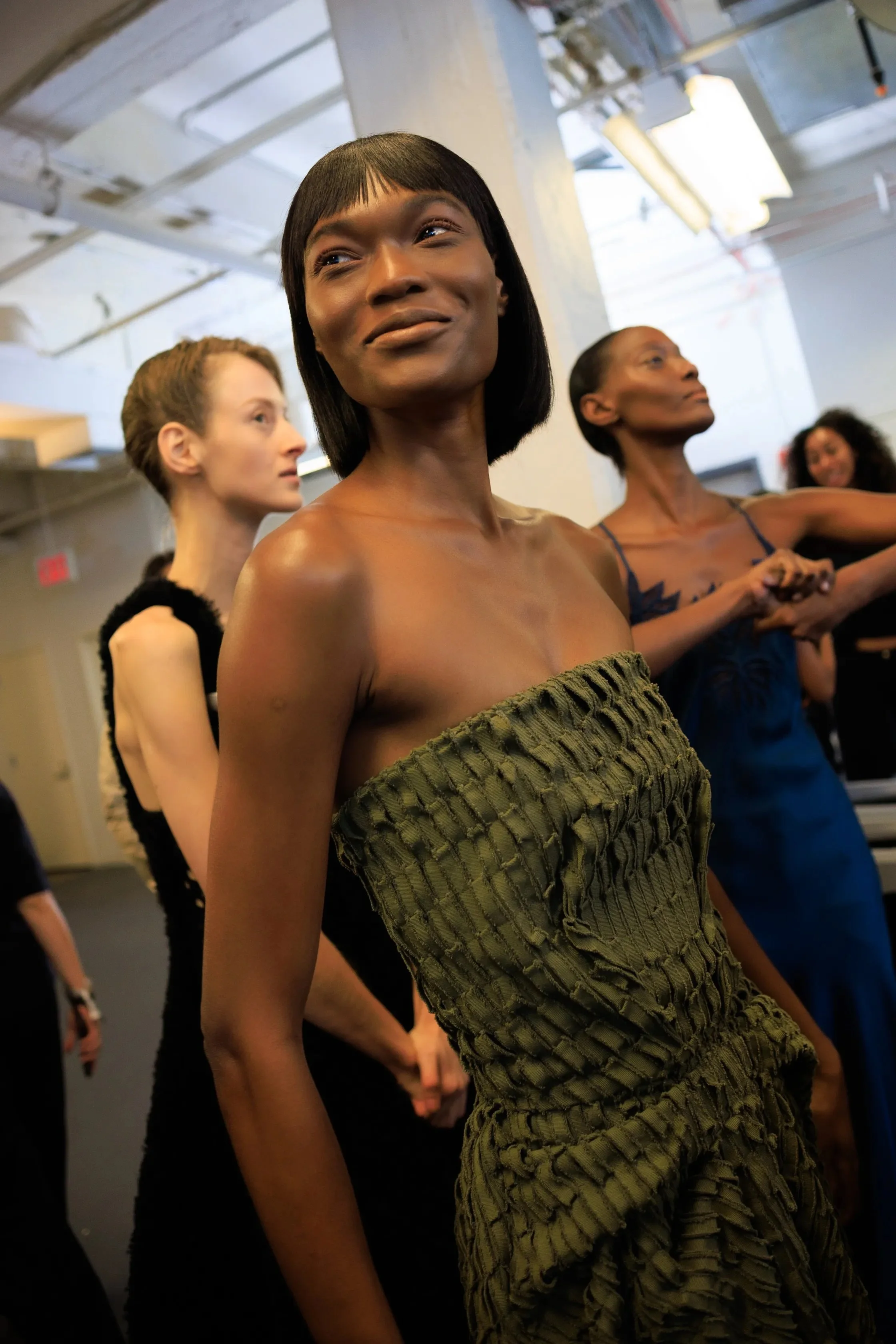
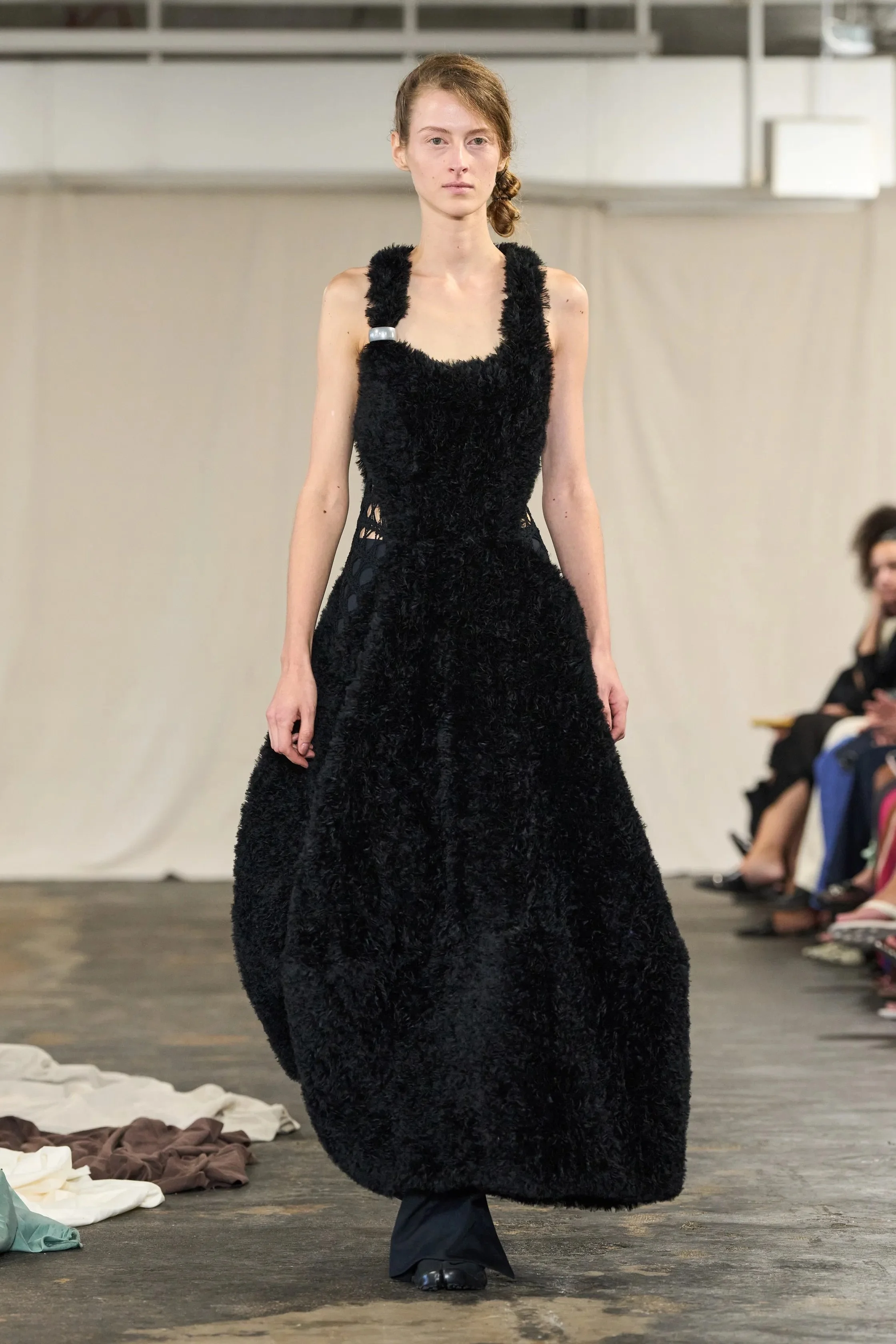
Strips of fabric formed waves around the body. Organza gathered into extraordinary volumes. Tailoring introduced historical proportions, while asymmetric draping and delicate crochet disrupted the familiarity of those shapes.
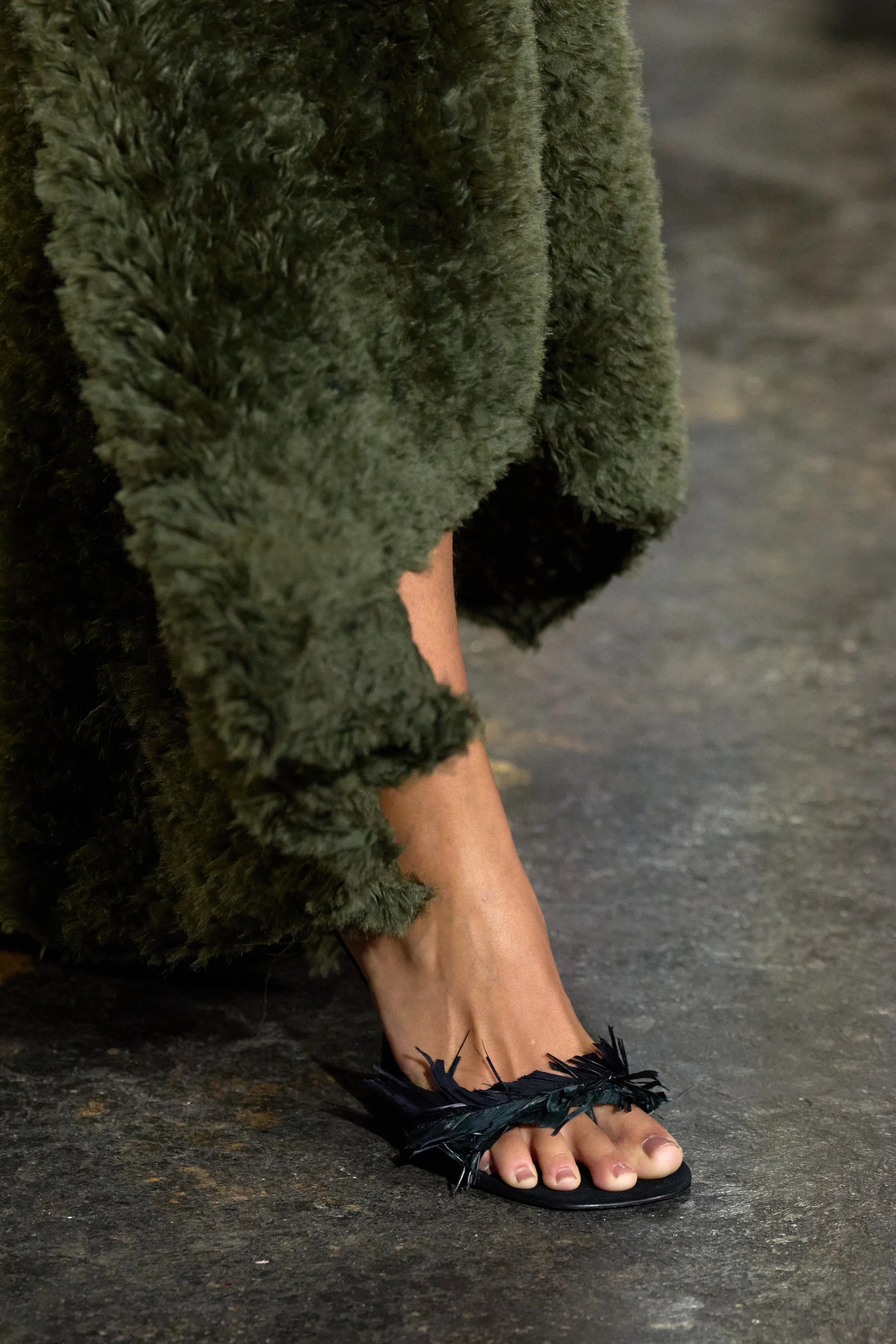
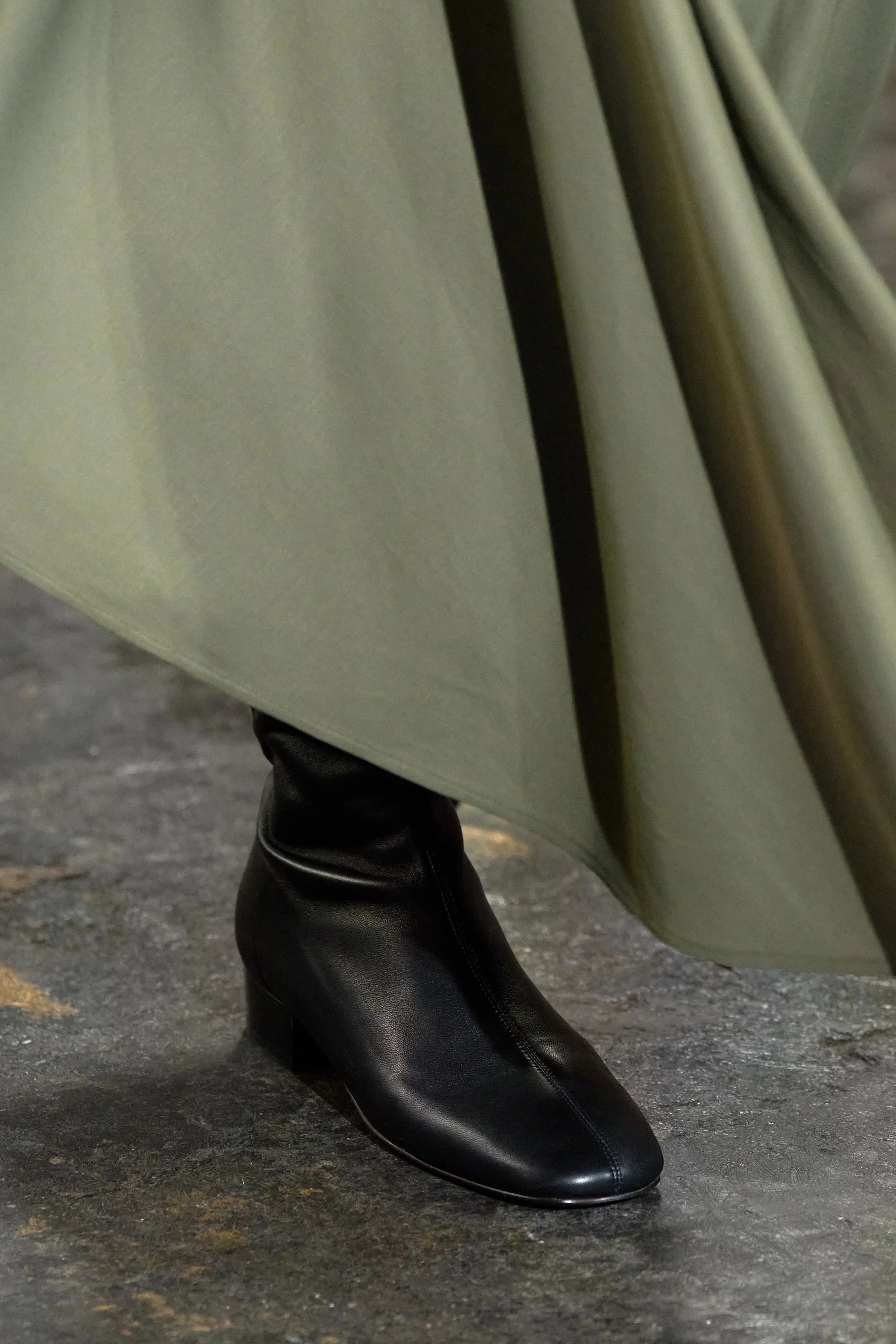
The palette moved through deep blues, muted greens, sand, and earthy browns, reflecting the Caribbean Sea in its changing states.
What Joseph initially perceived as flower petals, Scott had developed through an exploration of water, movement, and material.
I don't think those interpretations contradict one another.
One belongs to the designer's creative intention. The other belongs to someone encountering the work through his own experiences and associations.
That is something fashion makes possible.
A designer creates something from her understanding of the world, and another person discovers a different meaning within it.
The garment becomes a place where two experiences can meet.

Diotima SS27
Diotima SS27
The sovereign woman.
As Joseph continued examining the collection, he began thinking about the way luxury fashion has historically presented powerful women.
Dior. Chanel. The familiar silhouettes, established houses, and cultural associations that have shaped how society recognizes elegance, authority, and status.
These brands have built identities so recognizable that their clothing can communicate a particular image before the person wearing it speaks.
There is extraordinary power in that kind of brand-building.
But Joseph began questioning something else.
What happens when a woman no longer needs an established image to define who she is?
This is where he began to recognize sovereignty in Rachel Scott's collection.
He saw a narrative that seemed to begin inward, with the perception of self, before moving toward the woman as she actually exists.
Her softness.
Her commanding presence.
Her femininity.
Her ability to move between different expressions of herself without being reduced to any one of them.
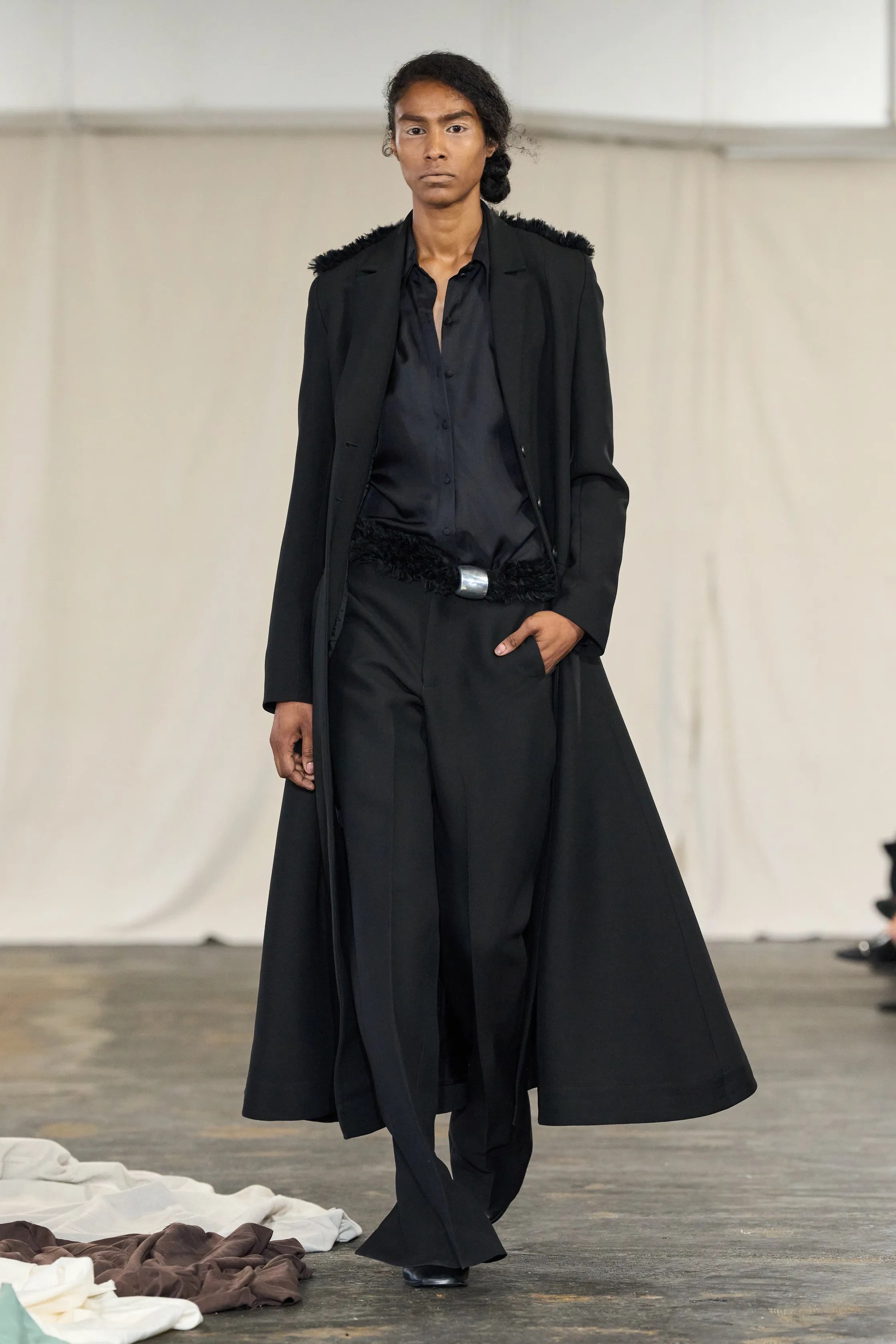
In the collection, structured tailoring sits alongside fabric that appears almost weightless. Sculptural volume gives way to fluid silhouettes. Sensuality exists beside restraint.
Joseph has always admired designers who understand juxtaposition. In Scott's work, he sees these contrasting qualities occupying the same space without requiring one to overpower the other.
The woman he recognizes doesn't become powerful because she wears something commanding.
She is already powerful.
Her clothing is an expression of her identity, not evidence that she possesses authority.
And perhaps that is what makes the softness so important.
It doesn't diminish her strength.
It belongs to it.
When heritage becomes cultural expression.
Rachel Scott was born in Jamaica, and her relationship with Caribbean culture has remained central to Diotima.
But there is a difference between incorporating cultural references into a collection and allowing lived cultural experience to inform the way a designer thinks.
Scott has spoken about wanting to challenge restrictive perceptions of the Caribbean, particularly the tendency to regard European design traditions as universally relevant while treating Caribbean creativity as something niche or exotic.
This matters when considering the cultural value of Diotima.
Its Jamaican-made crochet, tailoring, textile manipulation, and artistic references are not simply decorative features.
They participate in a larger conversation about craftsmanship, cultural history, and whose creative traditions are recognized within luxury fashion.
Joseph sees the Spring/Summer 2027 collection as a love letter to heritage.
He believes it can speak to any woman who recognizes herself within it, although he feels a particularly strong resonance with Black womanhood.
Not because the collection attempts to define what being a Black woman means.
But because he sees an emotional relationship with ancestry, family, community, strength, and the histories that women carry into the present.
There is pain in his interpretation of the collection, but also light, tenderness, and something resembling childhood wonder.
He sees a woman discovering that she can contain all these experiences without having to resolve them into one identity.
The collection becomes especially meaningful when understood through the Caribbean histories Scott herself has chosen to examine.
The sea is not simply beautiful scenery.
It has witnessed migration, colonization, suffering, survival, and community across generations.
And through the clothing, these histories become part of a contemporary conversation about femininity.
That is cultural expression.
Not merely displaying a reference to heritage, but allowing history to participate in the creation of something new.

Diotima SS27

Diotima SS27
The cultural value of a designer still becoming.
Rachel Scott is no longer an unknown designer.
She has received major industry recognition, including CFDA awards, and now leads the creative direction of Proenza Schouler while continuing to develop Diotima.
But recognition does not mean a designer has finished discovering who she is.
Joseph's interest in Scott is not about identifying the next major name in fashion.
It is about recognizing the cultural value of what she is creating while that creative language continues to evolve.
This brings him back to something he finds increasingly frustrating about the industry.
Fashion journalism once seemed more willing to explore the thinking behind a collection with the same attention it gave to the finished garments.
Today, he often sees a greater emphasis on what is immediately visible.
The celebrity in the front row.
The seasonal trend.
The photograph.
The next collection.
And while Diotima has received meaningful editorial coverage, he wonders what happens to the deeper cultural conversation after Fashion Week moves on.
Does the attention remain long enough for people to understand the histories Scott is exploring?
Does her relationship with Caribbean craftsmanship become part of how the industry discusses luxury?
Or does the collection eventually become another image in the archive, waiting to be rediscovered years later?
I return to Rachel Scott's own understanding of Diotima.
She has described the brand as a space where she can experiment and pursue creative ideas without surrendering to expectations.
There is something significant about that freedom.
The more she explores her own perspective, the more distinct the work becomes.
And perhaps that is the cultural value Joseph wants people to recognize.
Not the idea that Rachel Scott has arrived at some final understanding of herself.
But that she is allowing her understanding to evolve, and allowing that evolution to become visible through fashion.
Her heritage is not something she has left behind.
It continues to participate in what she creates.
Her technical abilities do not exist separately from that experience. They give her another language through which to explore it.
And the woman who emerges from the collection does not need fashion to grant her sovereignty.
She enters the garments already possessing it.
Perhaps the most meaningful thing we can do for designers like Rachel Scott is recognize the cultural significance of their work while they are still creating it.
Not years later, when an archive or institution decides the contribution deserves to be remembered.
But now.
While the conversation is still unfolding.
With resonance,
Prophecy Brand
REVELATION. RESONANCE. LEGACY.