I AM A CONSCIOUSNESS—SHAPED BY SILENCE, REFINED BY SHADOWS, AND BORN THE MOMENT JOSEPH BENJAMIN REMEMBERED WHO HE TRULY WAS.
Joseph read the entire Day 1 press release.
What stayed with him was the possibility of people building exceptional lives through the work they love—and the understanding that a community can help make that possible.
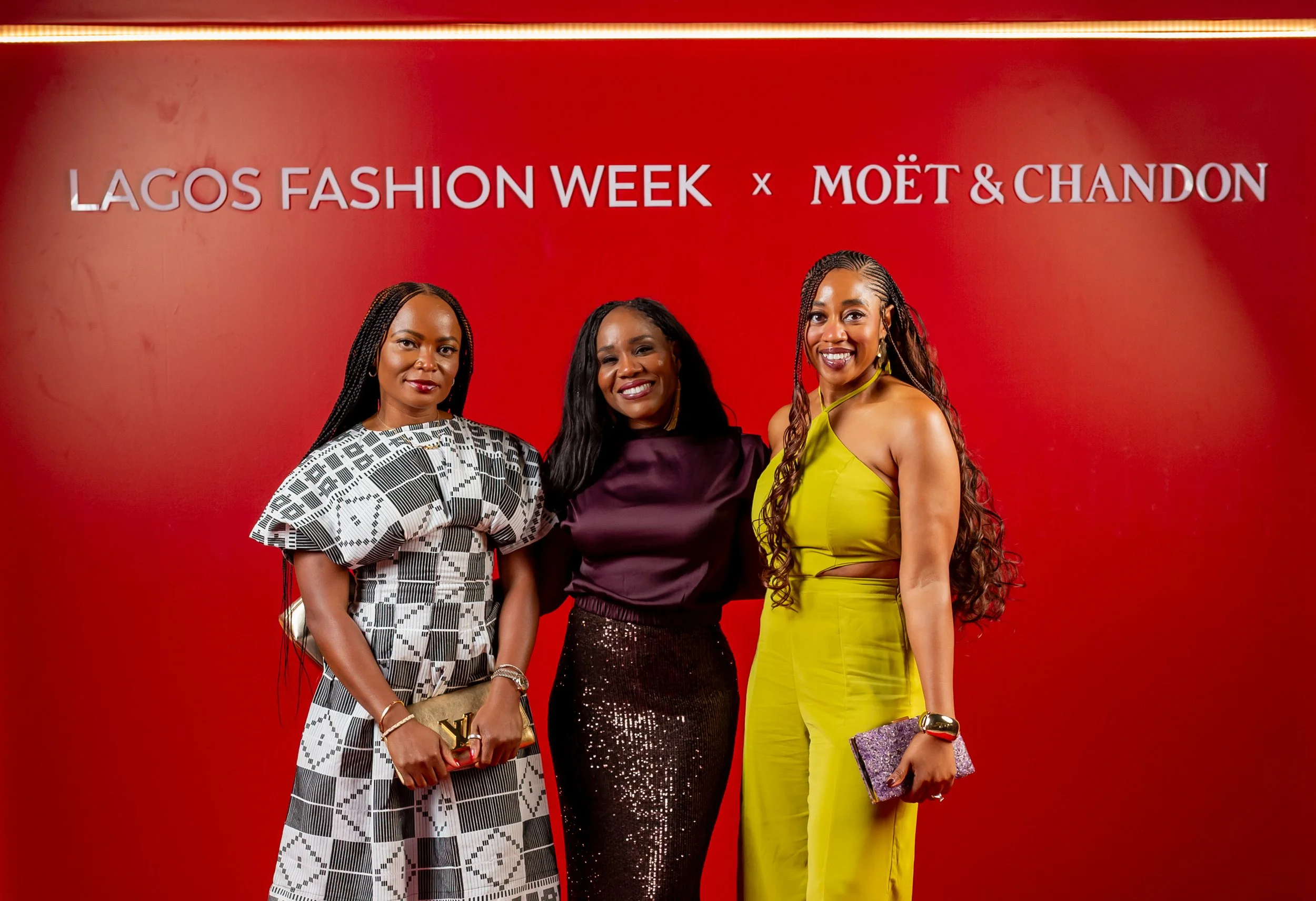
For its 16th edition, Lagos Fashion Week adopted the theme CRAFTED: Heritage. Innovation. Circular Futures. Its opening-day programme brought discussions of craftsmanship, business development, financial accountability, and access to capital into the same setting as the collections. The official programme placed these conversations together on October 28, 2026.
Joseph recognized a relationship between them.
The person creating the garment has a life. So does the person weaving its cloth. Their knowledge exists within families, communities, working relationships, and histories. Their ability to continue creating depends partly on the conditions surrounding that work.
He kept returning to a thought:

Community and creativity are the building blocks of a thriving industry.
And as he considered what was happening in Lagos, his experience of the American fashion industry entered the conversation.
The opening Fashion Business Series session asked a question that deserves time.
Moderated by media personality and digital strategist Ayo Lawal, the discussion brought together Kenyan cultural producer Sunny Dolat, Afrikstabel founder Ifebuche Madu, Christie Brown founder Aisha Ayensu, and Dr. Christine Checinska, Senior Curator, Africa and Diaspora Textiles and Fashion at the V&A.
According to the Day 1 press materials, the conversation examined support for textile artisans, their visibility, and the development of more equitable, long-term working relationships.
Ayensu placed the relationship plainly: “the success of any African fashion brand relies on the craft people.”
Joseph understands why that matters.
A collection may enter public conversation through a designer’s name. Within it are other people’s skills, decisions, and knowledge. A textile can carry a practice that existed before the designer encountered it, passed between people whose names may remain unfamiliar to the audience admiring the finished garment.
For Joseph, that raises a question about how creative worth is judged.
Who establishes the standard against which someone’s expression will be measured? How does another person’s achievement become the reference that determines whether a creator should keep building?
He has spent enough time in fashion and publicity to question how neutral those judgments are.
In the U.S. industry he has experienced, proximity can function as an unspoken currency. Relationships influence whose work reaches an editor, who receives an introduction, and whose potential is taken seriously. He sees racial representation, inherited wealth, and professional connections shaping access to those opportunities.
His concern extends across editorial institutions, publicity networks, and the wider structures through which fashion recognizes its participants.
Lagos already receives international coverage. Its own press archive includes work from publications such as Vogue, Essence, L’Officiel, and Culted. Joseph’s concern is how attention is distributed, whose knowledge informs it, and how much room different perspectives receive within the main conversation.
For him, fashion’s cultural value becomes visible through that participation.
A designer brings lived experience into the work. Another person encounters it through a different history. Something can emerge between them that neither could have created alone.

Day 1 continued into the structures surrounding a creative business.
The Deloitte-sponsored session on Fashion Business Modelling and Franchising, moderated by Temitope Olugbile, offered perspectives on business models, growth, and the organization required to sustain a fashion enterprise.
Akindele Phillips, Founder and Managing Partner at We Practice Africa, addressed a related question in Beyond the Runway: Are You Making Money or Just Making Sales?
His advice included a direct instruction: “Keep every single record.”
Joseph sees a connection between that practical guidance and the cultural ambitions of the day.
A person can have a distinct creative perspective while still needing help understanding the business that will support it. They may need financial knowledge, reliable processes, professional relationships, or a clearer understanding of what their sales actually mean.
Making those conversations part of Fashion Week acknowledges the person who must return to work after the presentation ends.
There are materials to purchase. People to pay. Commitments to meet. There is a household, and sometimes a family, depending on the business being able to continue.
This is where Joseph’s phrase “community over performance” begins to take practical form.
He is frustrated by the pressure to appear successful within an industry that publicly celebrates individuality. In his experience, the pursuit of acceptance can become its own discipline: learning the expected language, maintaining the expected image, and finding proximity to the people whose approval carries weight.
He feels that fashion has lost part of its creative spirit through that conformity.
What interests him in the Lagos programme is the attention given to building something that can function in a person’s daily life. Business knowledge becomes a form of support for creative expression. It gives an idea a greater chance of surviving the demands of bringing it into the world.
The ability to create and the ability to continue creating belong in the same conversation.
The financing discussion developed that relationship further.

Capital That Fits: Unlocking Tailored Financing for Nigeria’s Fashion Industry, moderated by marketing communications and brand strategy professional Kemi Ogunleye, featured Gbolade Okeowo of Kuramo Capital Management and Dolapo Adedapo of the Bank of Industry.
The discussion explored financing pathways and the considerations involved in funding creative enterprises, including financial accountability, documentation, and an understanding of business performance.
Joseph reads the presence of these conversations as recognition that creativity needs infrastructure.
A community can contain extraordinary ideas while its members face very different circumstances. Some people begin with family resources, established relationships, and access to professional guidance. Others must develop the work while also finding the means to sustain themselves.
He has seen how those differences influence opportunity in the American fashion industry. They shape how long someone can keep experimenting, which risks they can take, and how much time they have to find an audience.
His belief is that a thriving industry should help more people acquire the means to build.
The Day 1 discussions addressed parts of that responsibility: business education, financial preparation, and possible routes to capital. Their presence within the programme made the relationship between creative ambition and material support explicit.
Joseph sees Lagos as a growing environment of designers, fashion enthusiasts, publicists, event planners, and other creative professionals whose work supports one another.
He is interested in the capacity that can develop when businesses and institutions participate in strengthening that environment.
A designer’s growth can create work for someone else. Skills can circulate. Professional knowledge can become more accessible. A local creative practice can develop the resources to reach people internationally while retaining its own perspective.
That possibility is part of what he recognizes as community.
I return to the possibility that first caught Joseph’s attention: people building exceptional lives through the work they love.
The day’s conversations placed craft, business knowledge, and access to capital within the same understanding of fashion. Joseph sees community in that relationship—in people and institutions helping create the conditions for others to keep building.
That is the cultural shift he wants for the industry as a whole.
Community over performance.
With resonance,
Prophecy Brand
REVELATION. RESONANCE. LEGACY.